Vacancy Clause
Also called: vacancy exclusion, vacant property, 60-day vacancy, unoccupied vs vacant

Homeland Public Adjusters · Last reviewed: October 2026
A vacancy clause limits or removes coverage when the insured building has been vacant for more than a stated period, usually 60 consecutive days, before the loss. On homeowners forms the typical result is that vandalism, glass breakage and sometimes water and theft are excluded; on commercial forms, those perils are excluded and payment for all other covered losses is reduced, often by 15%. “Vacant” has a policy definition and is not the same as “no one was there.”
Vacant vs. unoccupied
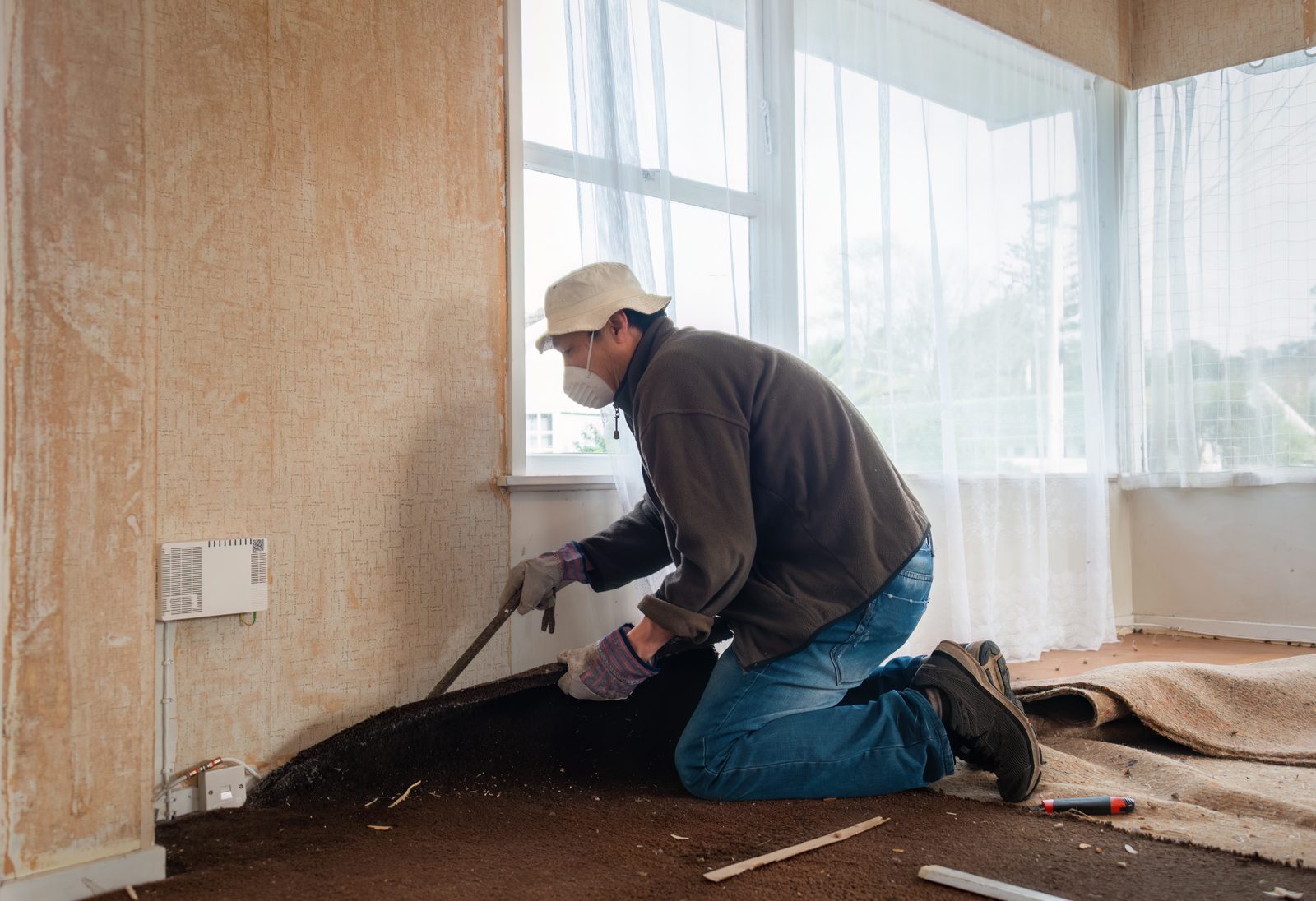
Unoccupied means the residents are away; the furniture and belongings are there. Vacant means the building does not contain enough property to conduct its customary operations or to live in. A furnished seasonal home that sits empty for the summer is unoccupied, not vacant. A rental between tenants with the appliances in place is a closer question; a stripped unit awaiting renovation is vacant. Commercial forms add a square-footage test: a building is vacant unless at least 31% of its floor area is rented or used.
What drops off
| Form | After the vacancy period | What usually remains |
|---|---|---|
| Homeowners (HO-3) | Vandalism and malicious mischief excluded; some forms also exclude glass breakage, theft, and freezing of plumbing unless heat is maintained | Fire, wind, lightning, most other perils |
| Landlord (DP-3) | Vandalism excluded after 60 days; some forms exclude all water damage | Fire, wind, other named perils |
| Commercial property (CP) | Vandalism, sprinkler leakage, glass breakage, water damage, theft and attempted theft excluded; other covered losses reduced by 15% | Fire and wind, at 85% |
Florida and New Jersey
Neither state limits vacancy clauses by statute; the policy controls. Both states see the clause most on rentals between tenants, estates after a death, homes under renovation, and seasonal properties. Carriers also raise vacancy as a misrepresentation defense when the application said owner-occupied. A vacancy permit endorsement, or a builder’s risk policy for a renovation, restores the coverage.
How carriers use it against you
- Calling a furnished seasonal home vacant because the owner was away.
- Counting the days from the last tenant’s departure when the unit was being shown and had utilities on.
- Applying the commercial 15% reduction to a loss that occurred during an active lease-up.
- Denying a theft on a landlord policy that never covered theft in the first place, while implying vacancy was the reason.
Frequently asked questions
Is my snowbird home vacant while I am up north?
How do I prove a rental was not vacant?
What is a vacancy permit?
Related terms
A policy exclusion is a provision that takes a cause of loss, a type of property, or a situation out of coverage that the insuring agreement would otherwise provide.
The wear and tear exclusion removes coverage for damage that happens gradually through age, use and exposure: worn shingles, deteriorated seals, rust, rot, corrosion, settling.
A proof of loss is a sworn, signed statement from the policyholder setting out the date and cause of the loss, the property involved, the interest of the insured and others, other insurance, and the…
The date of loss (DOL) is the date the damage occurred, which is the date the covered event happened, not the date you discovered it or reported it.
If this is your loss, call Homeland before you talk to the insurance company: Florida (305) 783-3777, New Jersey (732) 517-3777, 24 hours. A licensed public adjuster reviews the claim for free and calls you back right away. No Recovery, No Fee.
Sources
This article is for general information only and is not legal or insurance advice. Statutes, regulations and policy wording change, and how they apply depends on your own policy and the facts of your claim. Homeland Public Adjusters is a public adjusting firm, not a law firm.
- Surprising Things Your Policy Covers
- Neighbor's Condo Fire: Who Pays?
- Damaged Tile or Laminate: A Claim?
- Barn, Stable & Outbuilding Coverage
- Wind and Tornado Risk on the Farm
- Crop Insurance vs. Property Insurance
 Yeni Martinez
 Alberto Enriquez
 Yisel Dieguez
Upload the denial letter or the insurer’s estimate. A licensed public adjuster reads it and calls you back right away. Free.
Free Claim Review