Mold Claim Capped at $10,000? Where the Limit Comes From and What It Covers

Homeland Public Adjusters · Last reviewed: October 2026
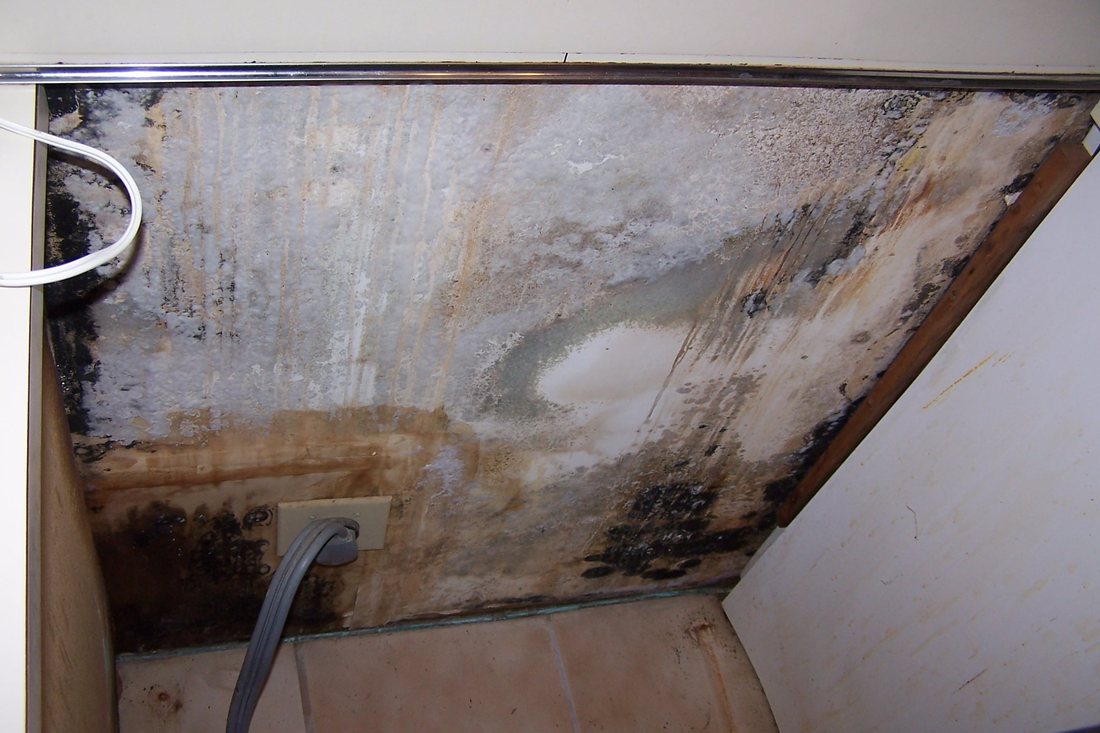
Short answer: Many Florida policies limit mold to $10,000 per occurrence with a $20,000 annual aggregate. That cap comes from the policy, not from Florida law. The key question is what the cap applies to: in many policies it limits mold, while the water damage that caused the mold is handled under the main coverage.
Where the $10,000 cap came from
A Florida Senate report on mold regulation (December 2003) found that state insurance laws did not specifically address mold coverage. On December 17, 2002, the Department of Insurance approved an endorsement limiting mold coverage to $10,000 per occurrence with a $20,000 annual aggregate, and it became the standard endorsement approved for other insurers. We found no later Florida statute setting a mold limit.
What the standard form says about mold
The standard ISO homeowners form (HO 00 03 05 11) excludes mold, fungus and wet rot, but covers mold hidden within walls, ceilings or floors when it results from an accidental discharge of water from a plumbing, heating, air conditioning or sprinkler system or a household appliance. Carriers modify this with their own endorsements, which is where most caps and conditions live.
What may be outside the cap
Read the endorsement for exactly what the limit covers. Depending on the wording, the cost of repairing damage from the covered water itself, such as replacing wet drywall, flooring and cabinets, may be paid separately from mold remediation. Testing, removal and rebuilding are sometimes treated differently. If the insurer applied the cap to the whole claim, ask it to identify which costs it treated as mold and why.
Documenting a mold claim
- The water source and when it started (see our article on long-term leak denials)
- Moisture readings and photos of each affected area before removal
- A written mold assessment and remediation scope, separated from the water repairs
- Receipts for testing, remediation and any time out of the home
New Jersey policies handle mold through their own wording as well. In either state, the policy and endorsements decide what is paid.
Frequently asked questions
Does Florida law cap mold coverage at $10,000?
Does the mold cap include the water damage?
Is hidden mold covered?
Can I buy more mold coverage?
Call Homeland first. Before you answer the insurer, sign anything or accept a final number, call us 24/7 at (305) 783-3777 in Florida or (732) 517-3777 in New Jersey. We read the letter against your policy, document the loss and present the claim for you. Hablamos español.
This article is for general information only and is not legal or insurance advice. Statutes, regulations and policy wording change, and how they apply depends on your own policy and the facts of your claim. Homeland Public Adjusters is a public adjusting firm, not a law firm.
- Surprising Things Your Policy Covers
- Neighbor's Condo Fire: Who Pays?
- Damaged Tile or Laminate: A Claim?
- Barn, Stable & Outbuilding Coverage
- Wind and Tornado Risk on the Farm
- Crop Insurance vs. Property Insurance
 Yeni Martinez
 Alberto Enriquez
 Yisel Dieguez
Homeland Public Adjusters represents policyholders, not insurers. Get a free review of your claim.
Get a Free Claim ReviewIf you already have an open claim, see What to Do in the First 24 Hours After Property Damage, or visit our Denied and Underpaid Claims page.