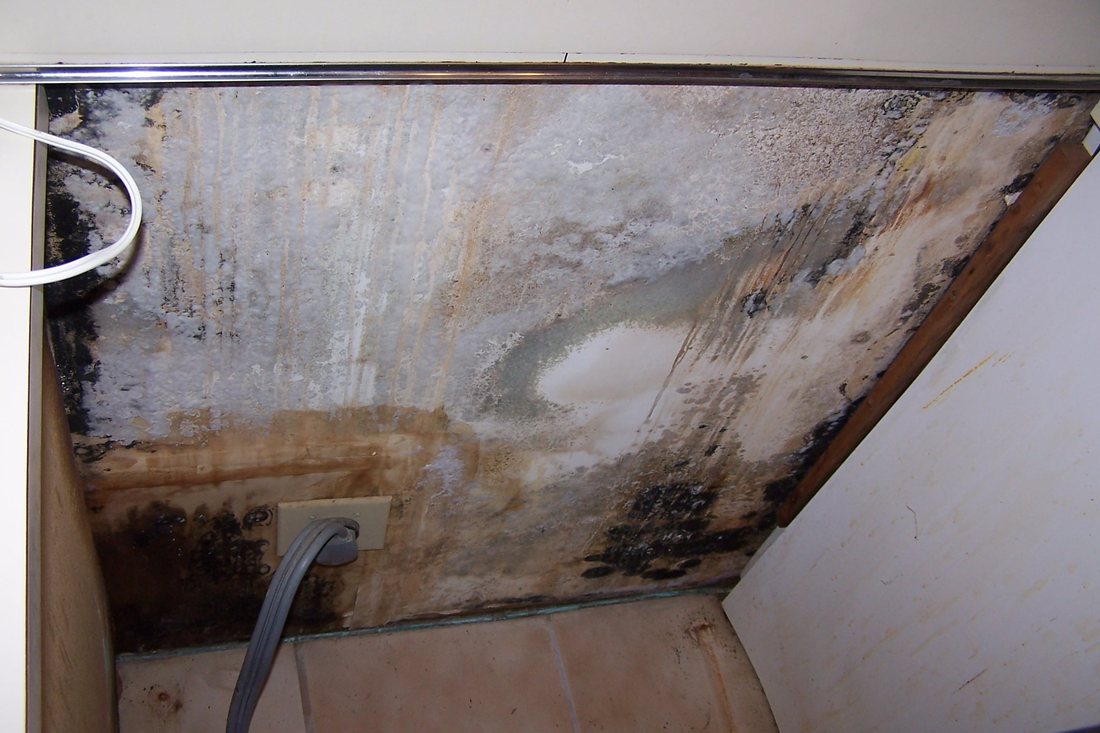
Mold on Walls, the Ceiling or Under the Sink: What It Means and When Insurance Pays

Homeland Public Adjusters · Last reviewed: October 2026
Short answer: Mold on a wall, ceiling or under the sink means there is moisture: a leak, condensation or water that wasn't dried in time. As the EPA puts it, the key to mold control is moisture control. Most homeowners policies exclude mold by itself but cover mold that results from a covered, sudden water loss, like a burst pipe, usually under a separate, lower limit.
Where it shows up, and what it usually means
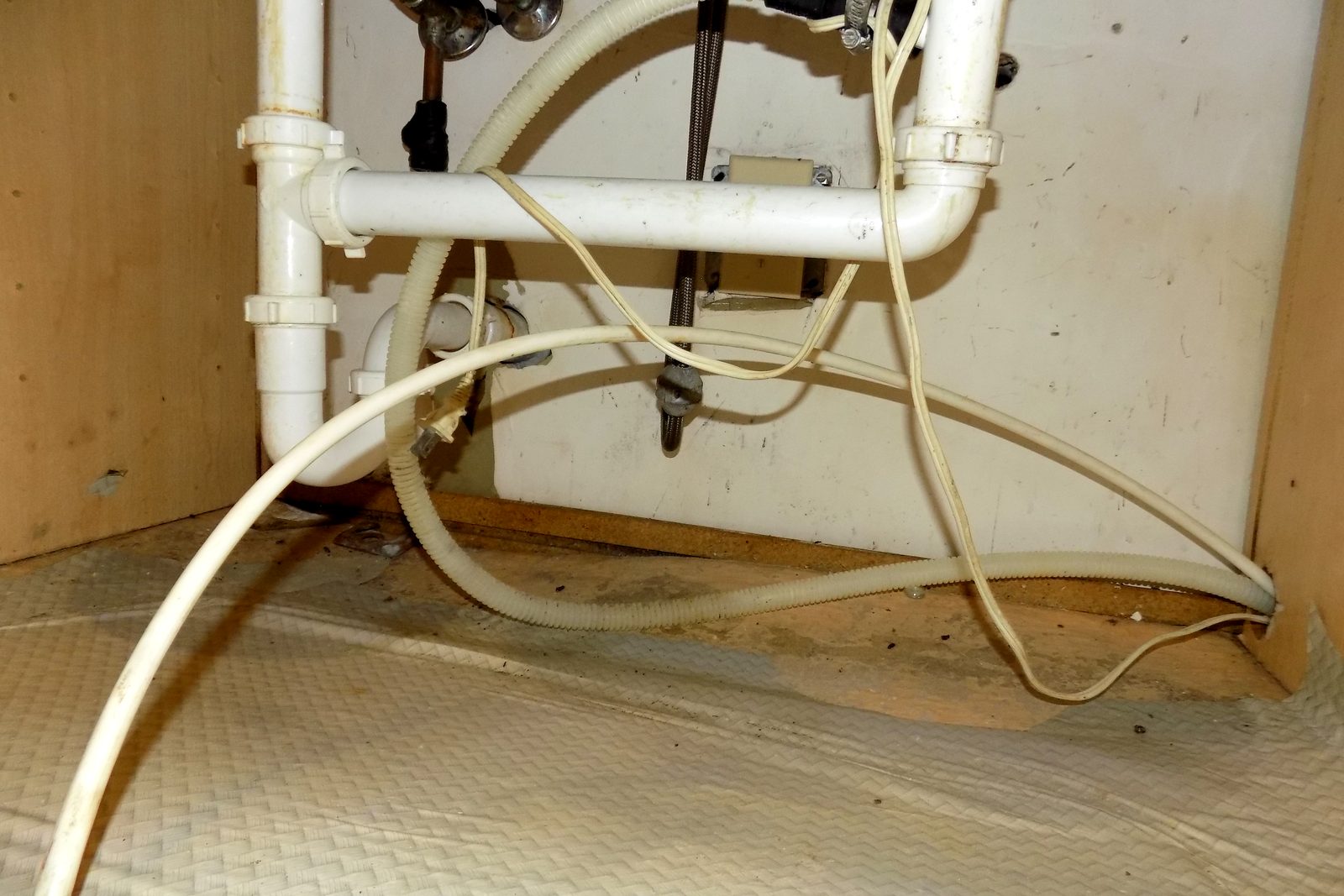
- Under the sink: a drain or supply line leaking slowly into the cabinet floor
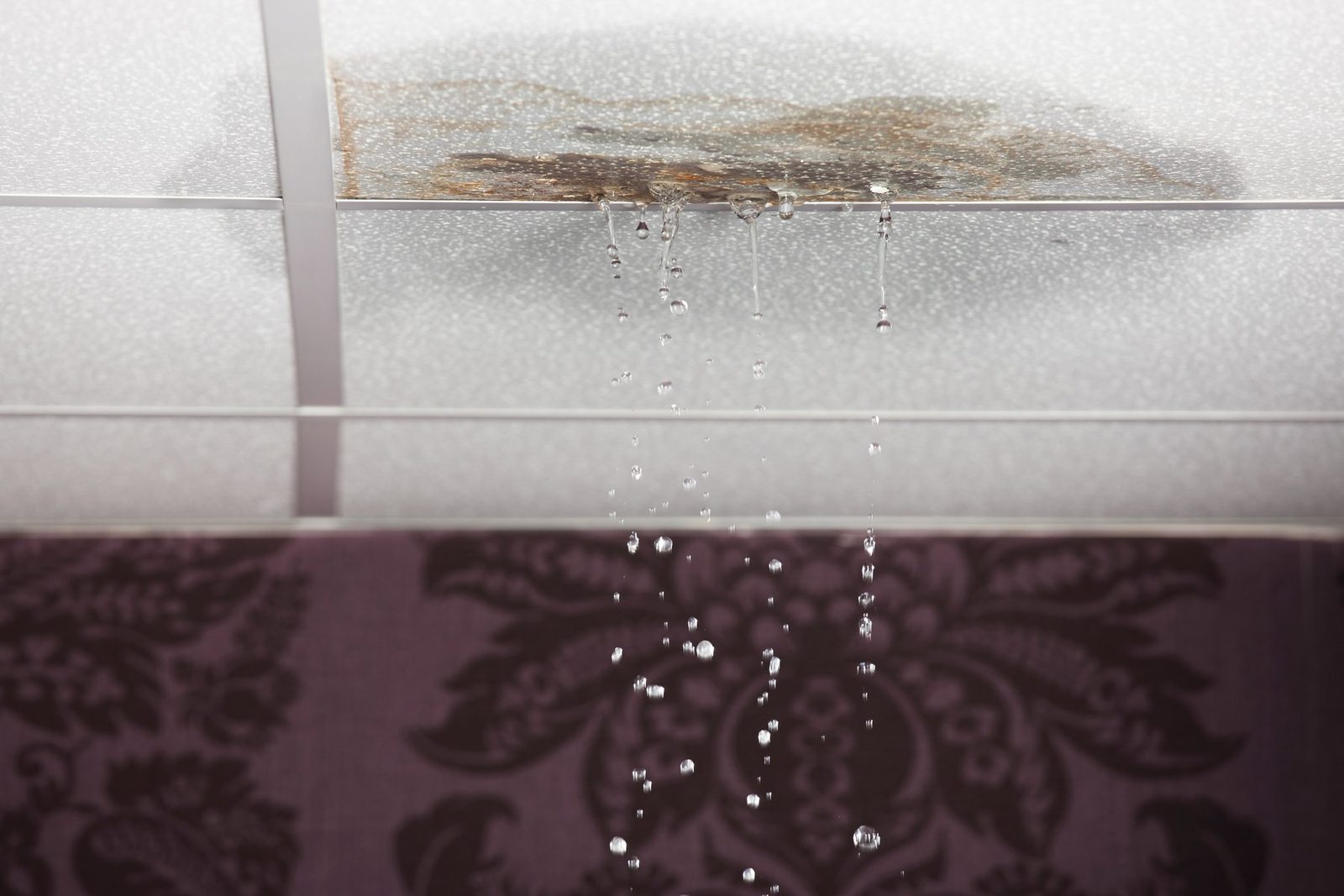
- On the ceiling: a roof or AC leak above, or condensation from a duct
- On walls and baseboards: plumbing in the wall, a slab leak, or water that got in during a storm
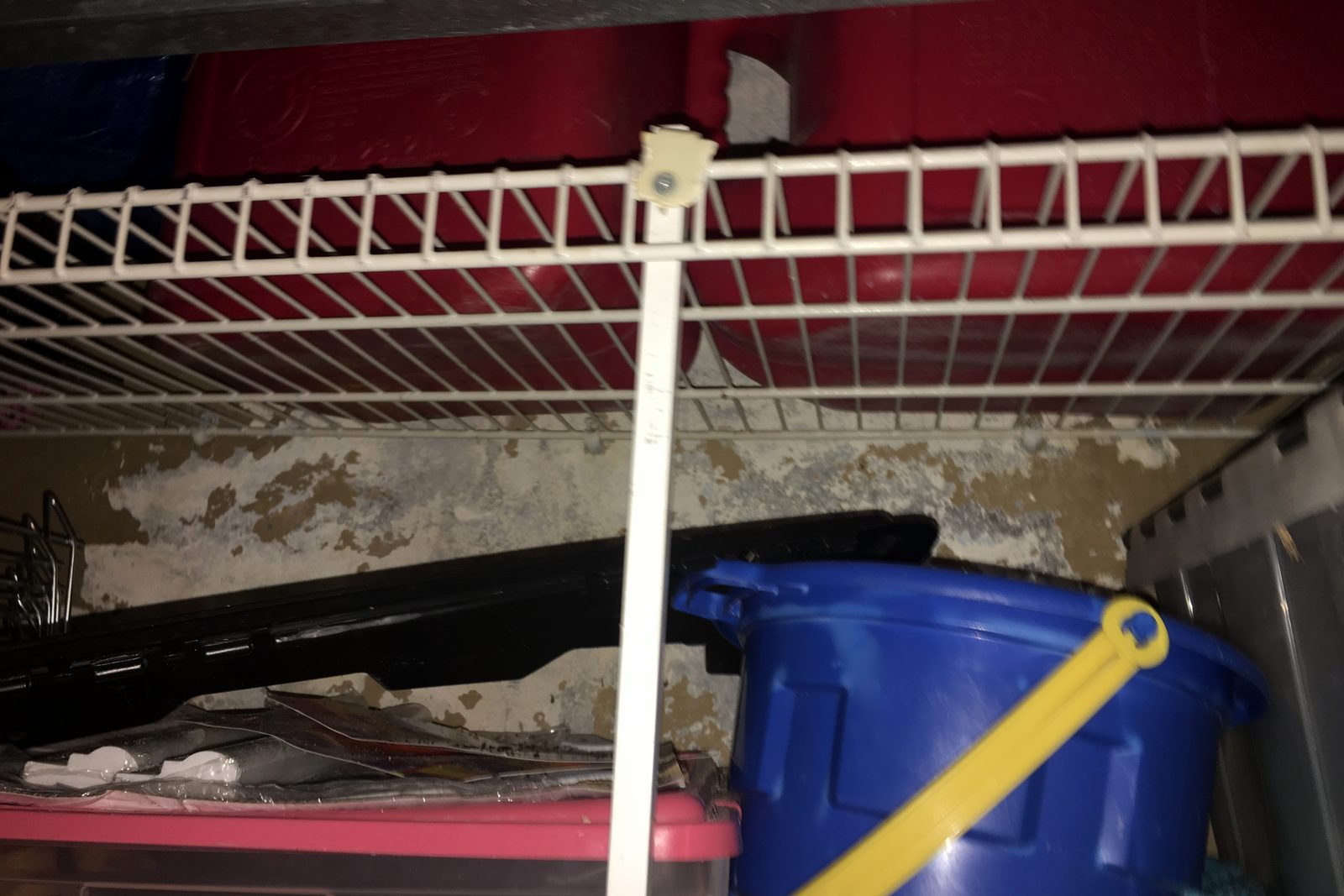
- In closets and behind furniture: poor air flow plus humidity, or a hidden leak
- A musty smell with nothing visible: often mold behind drywall or under flooring
What the EPA says about cleanup
According to the EPA, if the moldy area is less than about 10 square feet, in most cases you can handle the job yourself. Water-damaged areas and items should be dried within 24 to 48 hours to prevent mold growth, and inhaling or touching mold or mold spores may cause allergic reactions in sensitive people. Fix the moisture first, or it comes back.
Before you clean: if this could be an insurance claim, photograph and measure the mold and the source first. Cleaning before documenting removes the evidence.
When insurance pays for mold
Most Florida homeowners policies exclude mold, but cover mold that results from a covered sudden water loss, usually under its own sublimit. A common Florida mold endorsement caps it at $10,000 per occurrence with a $20,000 annual aggregate. Sublimits vary by carrier and policy. See how Florida mold coverage works and what to do when mold is capped.
Mold from a long-term leak, humidity or poor maintenance is usually excluded. That is why the source, and when it started, decide the claim.
Frequently asked questions
Does homeowners insurance cover mold?
Can I clean mold myself?
Why is there mold under my sink?
Have damage now? Call Homeland first. Before you call anyone else, call us 24/7 at (305) 783-3777 in Florida or (732) 517-3777 in New Jersey. We document the damage, find where the water really went and present the full claim for you. Hablamos español.
This article is for general information only and is not legal or insurance advice. Statutes, regulations and policy wording change, and how they apply depends on your own policy and the facts of your claim. Homeland Public Adjusters is a public adjusting firm, not a law firm.
- Surprising Things Your Policy Covers
- Neighbor's Condo Fire: Who Pays?
- Damaged Tile or Laminate: A Claim?
- Barn, Stable & Outbuilding Coverage
- Wind and Tornado Risk on the Farm
- Crop Insurance vs. Property Insurance
 Yeni Martinez
 Alberto Enriquez
 Yisel Dieguez
Homeland Public Adjusters represents policyholders, not insurers. Get a free review of your claim.
Get a Free Claim ReviewHave a question we didn't answer? Ask a public adjuster. If you already have an open claim, see What to Do in the First 24 Hours After Property Damage.