Claim Denied for “Faulty Workmanship” or a “Construction Defect”?

Homeland Public Adjusters · Last reviewed: October 2026
Short answer: Homeowners policies exclude faulty workmanship, defective materials and latent defects. But the same policies usually cover the “ensuing loss”: damage that results from the defect and isn’t excluded elsewhere. So the question isn’t only whether there was a defect, but which part of the damage the defect explains.
What the policy excludes
In the standard ISO homeowners form (HO 00 03 05 11), Section I excludes loss caused by faulty, inadequate or defective design, specifications, workmanship, repair, construction, renovation, remodeling, materials or maintenance (Exclusion B.3). Separately, it excludes wear and tear, deterioration, mechanical breakdown, latent defect and inherent vice (Perils Insured Against, A.2.c.(6)).
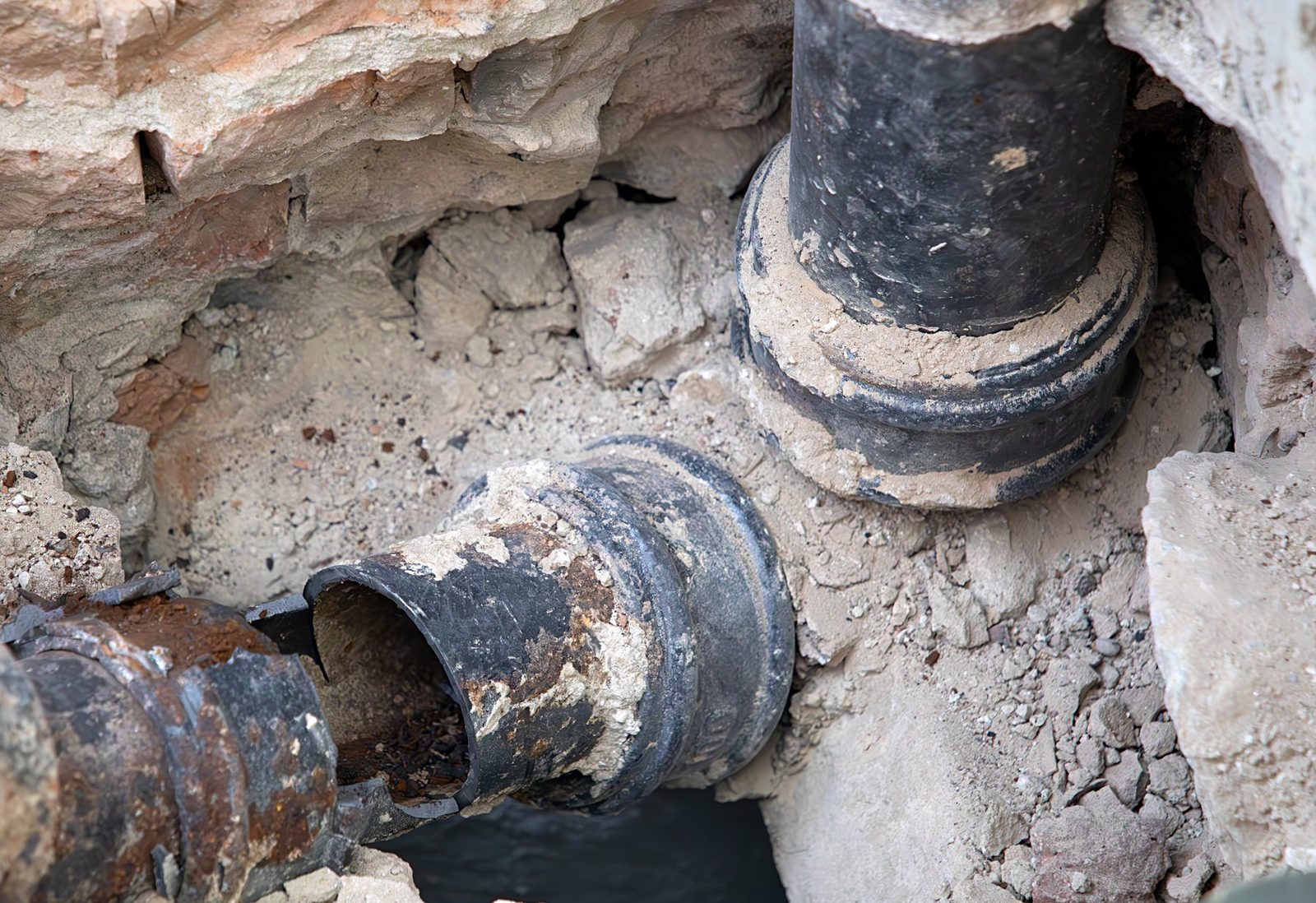
The ensuing loss wording
Both exclusions come with a carve-back. The B.3 lead-in says “any ensuing loss to property described in Coverages A and B not precluded by any other provision in this policy is covered,” and the same language follows the wear-and-tear and latent defect list. In practice: the cost to fix the defect itself may be excluded, while damage it led to may be covered. See ensuing loss.
Example: a supply line fitting was installed badly and fails suddenly. Replacing the fitting may be excluded as faulty workmanship. The water damage to floors, walls and cabinets may still be covered, subject to the policy’s other terms, such as seepage exclusions and water damage sublimits.
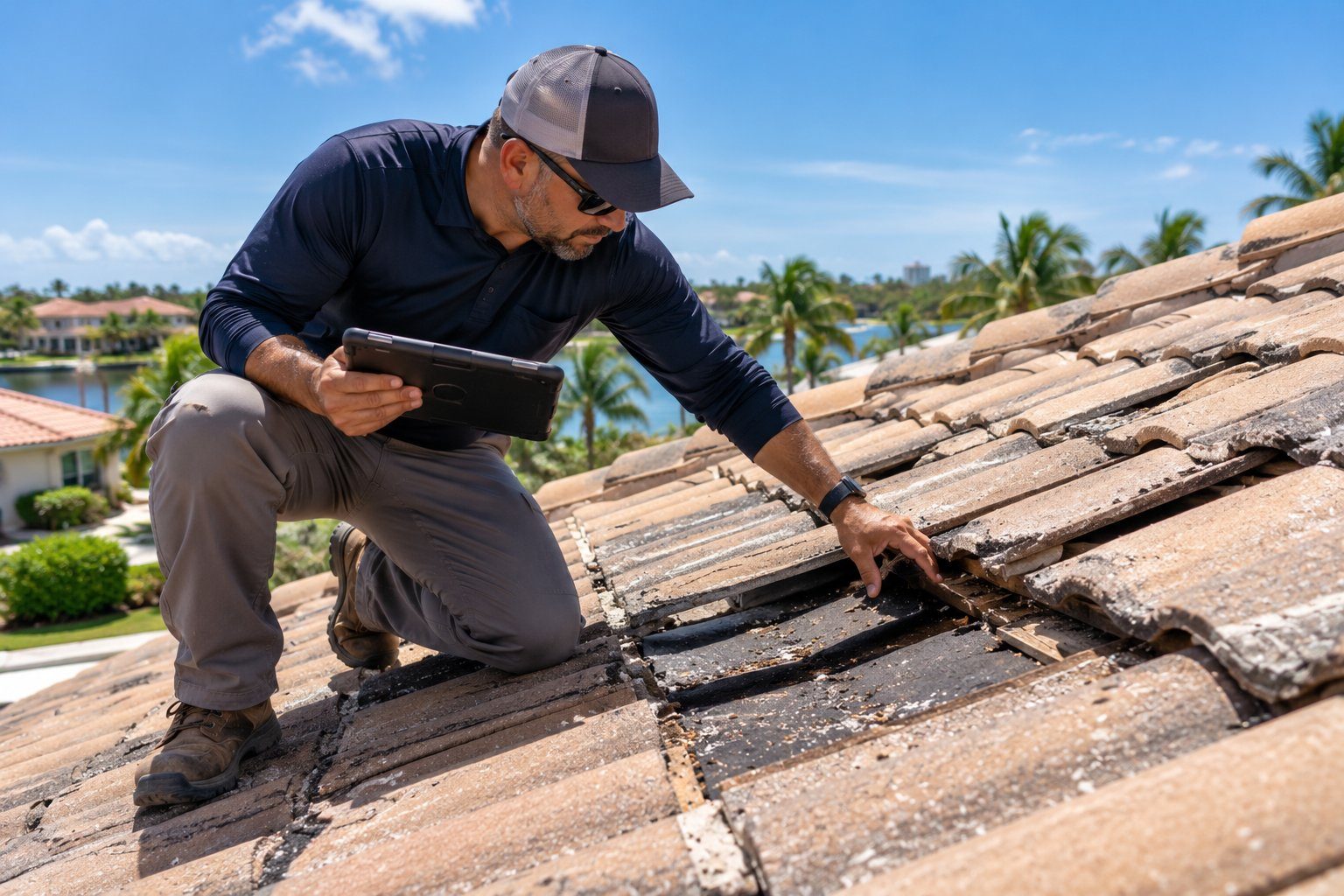
Storm damage on top of a defect
Insurers sometimes point to an old repair or installation issue on a roof to deny the whole claim. Document storm damage area by area, separate from any pre-existing condition, with dated photos and weather data. In New Jersey, the insurer remains liable for hidden damage directly related to the loss (N.J.A.C. 11:2-17.10(a)3), and a denial must cite the specific policy language and facts (N.J.A.C. 11:2-17.8(a)).
The contractor is a separate claim
If a contractor’s work caused the problem, you may also have a claim against the contractor or under a warranty. That runs separately from your insurance claim, and it does not have to wait for it.
Frequently asked questions
Does homeowners insurance cover construction defects?
What is a latent defect?
The insurer blamed an old roof repair for all the damage. Is that right?
Should I go after the contractor instead?
Call Homeland first. Before you answer the insurer, sign anything or accept a final number, call us 24/7 at (305) 783-3777 in Florida or (732) 517-3777 in New Jersey. We read the letter against your policy, document the loss and present the claim for you. Hablamos español.
This article is for general information only and is not legal or insurance advice. Statutes, regulations and policy wording change, and how they apply depends on your own policy and the facts of your claim. Homeland Public Adjusters is a public adjusting firm, not a law firm.
- Surprising Things Your Policy Covers
- Neighbor's Condo Fire: Who Pays?
- Damaged Tile or Laminate: A Claim?
- Barn, Stable & Outbuilding Coverage
- Wind and Tornado Risk on the Farm
- Crop Insurance vs. Property Insurance
 Yeni Martinez
 Alberto Enriquez
 Yisel Dieguez
Homeland Public Adjusters represents policyholders, not insurers. Get a free review of your claim.
Get a Free Claim ReviewIf you already have an open claim, see What to Do in the First 24 Hours After Property Damage, or visit our Denied and Underpaid Claims page.