The Insurer’s Engineer Says It Isn’t Storm Damage. Now What?

Homeland Public Adjusters · Last reviewed: October 2026
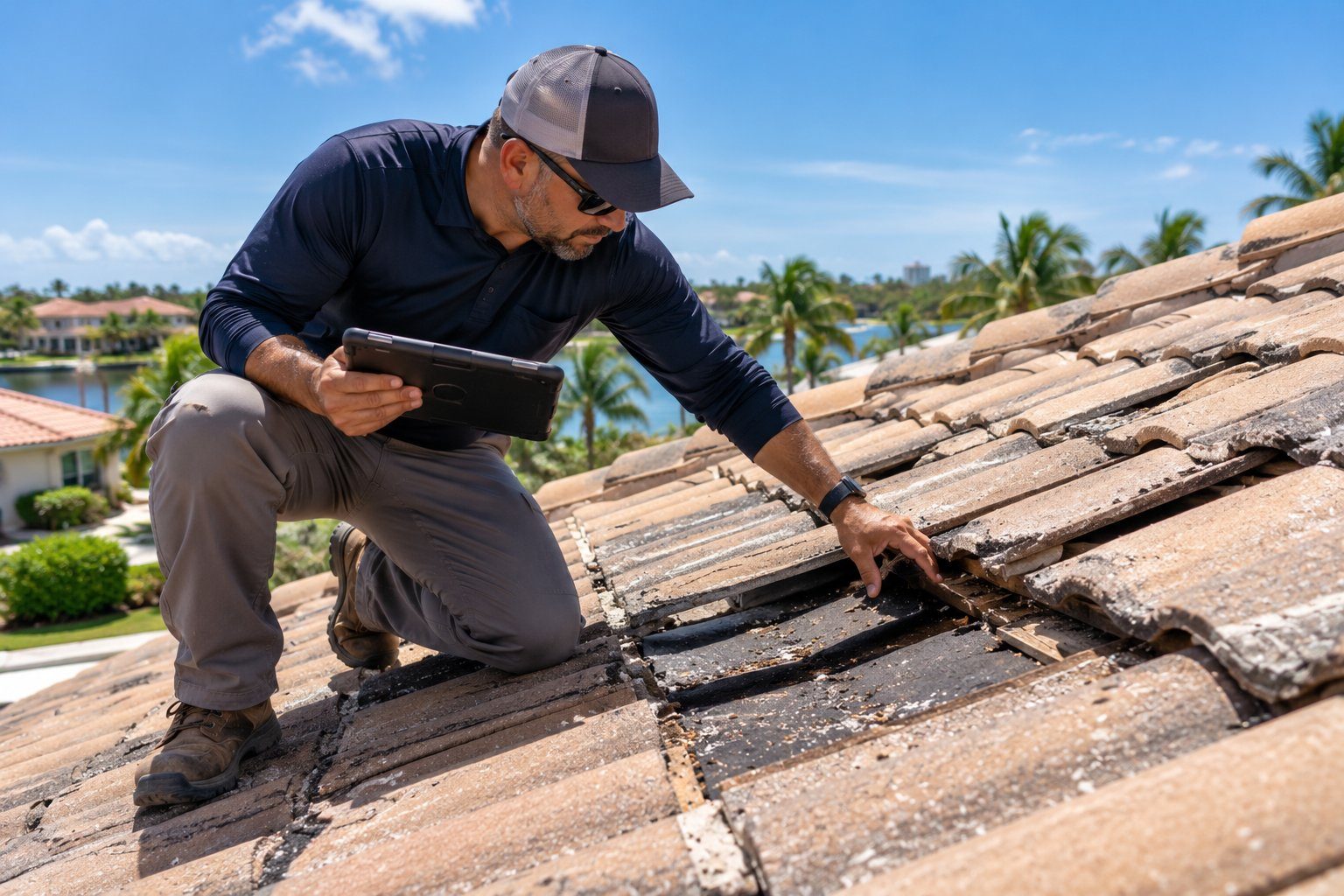
Short answer: An engineer’s report is an opinion about what caused the damage. It is not the final word on your claim. If the report blames age, installation or long-term wear, the question becomes whether the evidence supports that, and evidence can be answered with evidence.
What the report usually says
Insurers hire engineers when cause is in question, most often on roofs, foundations, cracked walls and water intrusion. Common conclusions are that the damage is wear and tear, a construction or installation problem, settling, or that the storm’s winds were not strong enough at your address. Each of these points to an exclusion in the policy; in the standard ISO homeowners form (HO 00 03 05 11), wear and tear, latent defect and settling sit together in Section I, and faulty workmanship in the exclusions.
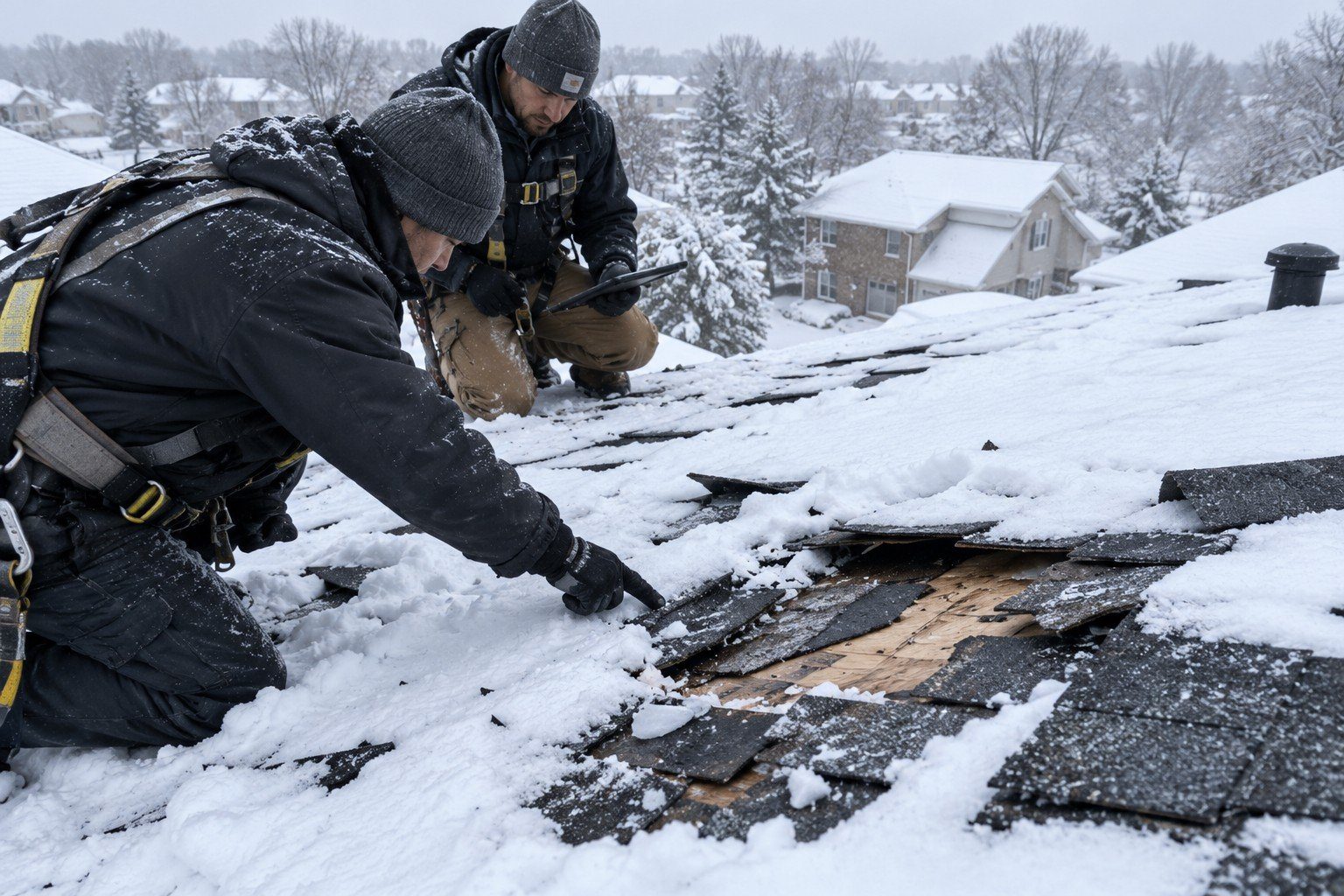
What to look for in the report
- Did the engineer go on the roof or into the attic, or inspect from the ground, a drone image or photos?
- How many areas were examined, and were the damaged areas you reported among them?
- What weather data was used, for which location and date?
- Does the report explain damage that appeared right after the storm, such as new leaks?
- Does the conclusion follow from the photos, or are the photos generic?
Rules that apply
Florida. Any physical inspection must happen within 30 days after the insurer receives proof of loss, and the adjuster must give you their name and license number (Fla. Stat. §627.70131(3)(b)). You get a copy of any detailed estimate within 7 days, automatically (3)(e), and the insurer must keep a log of every adjuster who communicates with you and provide it on request (4). A denial must explain the basis in the policy in relation to the facts (7)(a). Florida’s unfair claim practices law also lists, as a general business practice, “denying claims without conducting reasonable investigations based upon available information” (§626.9541(1)(i)).
New Jersey. Under N.J.A.C. 11:2-17.8(a), an insurer denying a claim based on a policy provision must give a specific reference to that language and the facts that make it apply, and under 17.8(j) it cannot deny based on an exclusion without supporting documentation.
How to answer it
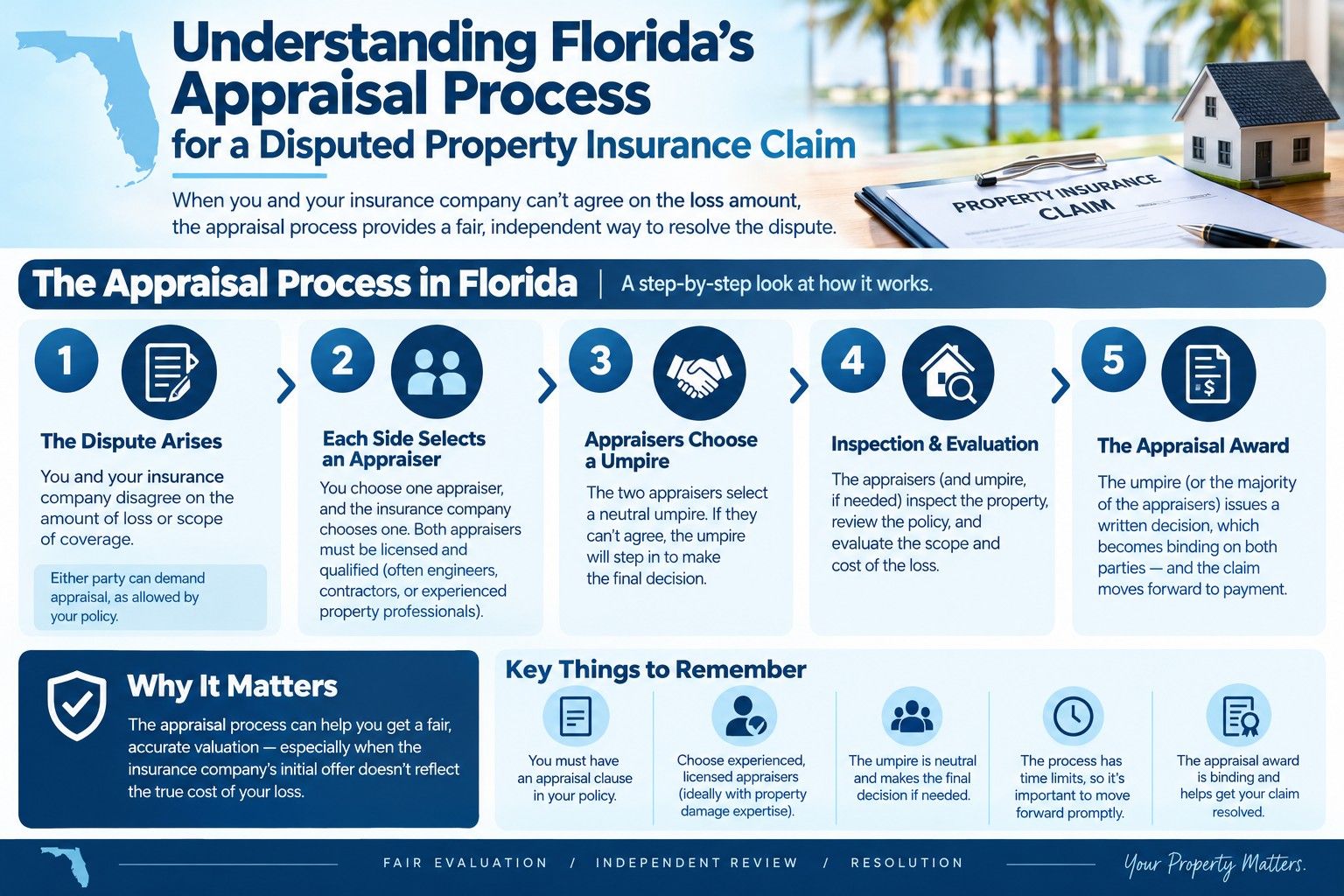
Ask for the full report, photos and field notes. Get your own inspection from a licensed contractor, roofer or engineer who documents each damaged area. Put your evidence in writing and ask for a reinspection with your representative present. If the dispute is about the amount rather than coverage, appraisal or Florida’s free DFS mediation may resolve it.
Frequently asked questions
Can I see the engineer's report?
Is the engineer neutral?
What if the engineer only looked from the ground?
Does appraisal fix an engineer denial?
Call Homeland first. Before you answer the insurer, sign anything or accept a final number, call us 24/7 at (305) 783-3777 in Florida or (732) 517-3777 in New Jersey. We read the letter against your policy, document the loss and present the claim for you. Hablamos español.
This article is for general information only and is not legal or insurance advice. Statutes, regulations and policy wording change, and how they apply depends on your own policy and the facts of your claim. Homeland Public Adjusters is a public adjusting firm, not a law firm.
- Surprising Things Your Policy Covers
- Neighbor's Condo Fire: Who Pays?
- Damaged Tile or Laminate: A Claim?
- Barn, Stable & Outbuilding Coverage
- Wind and Tornado Risk on the Farm
- Crop Insurance vs. Property Insurance
 Yeni Martinez
 Alberto Enriquez
 Yisel Dieguez
Homeland Public Adjusters represents policyholders, not insurers. Get a free review of your claim.
Get a Free Claim ReviewIf you already have an open claim, see What to Do in the First 24 Hours After Property Damage, or visit our Denied and Underpaid Claims page.