The Insurer Says It Was Flood, Not Wind: How Hurricane Damage Gets Split

Homeland Public Adjusters · Last reviewed: October 2026
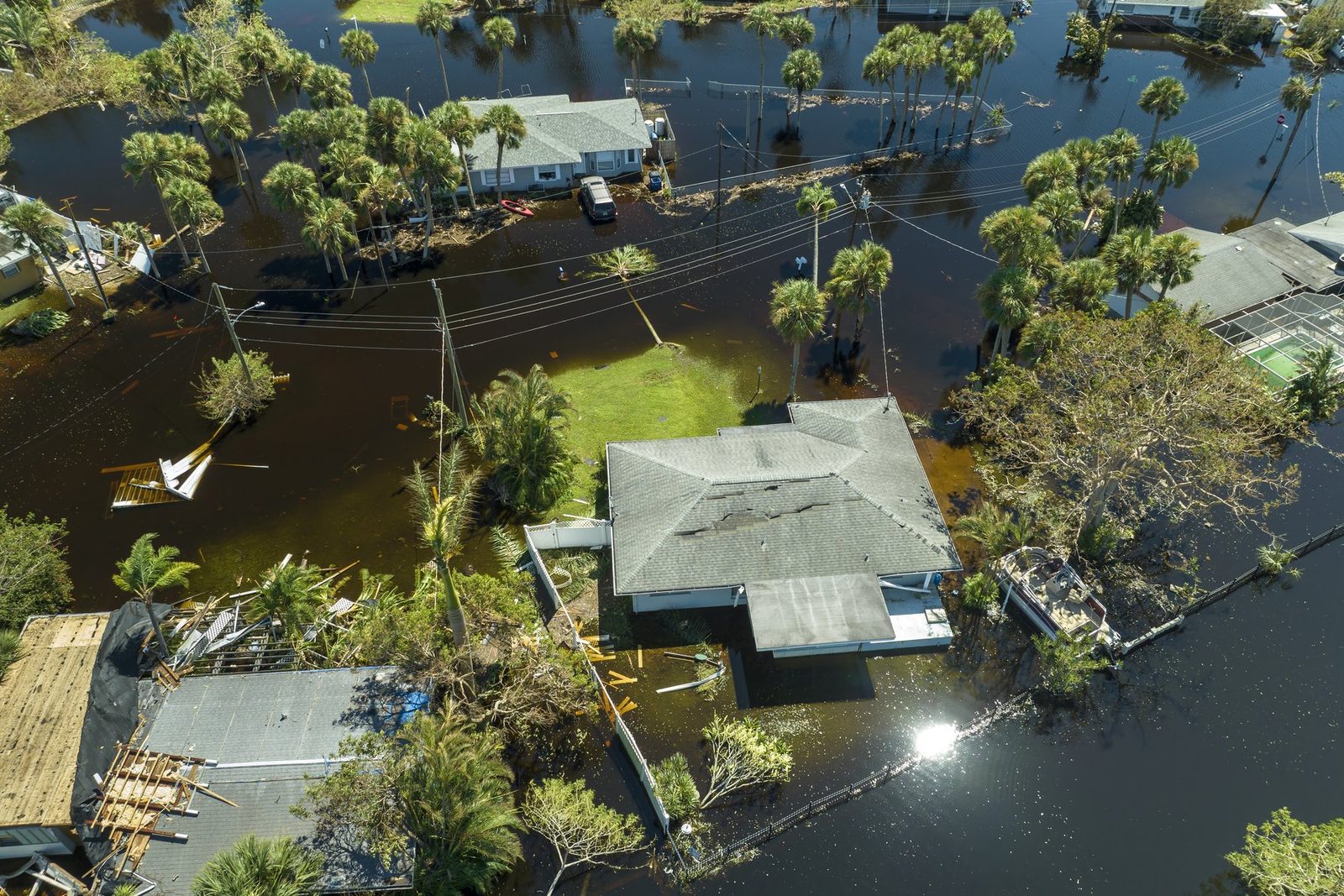
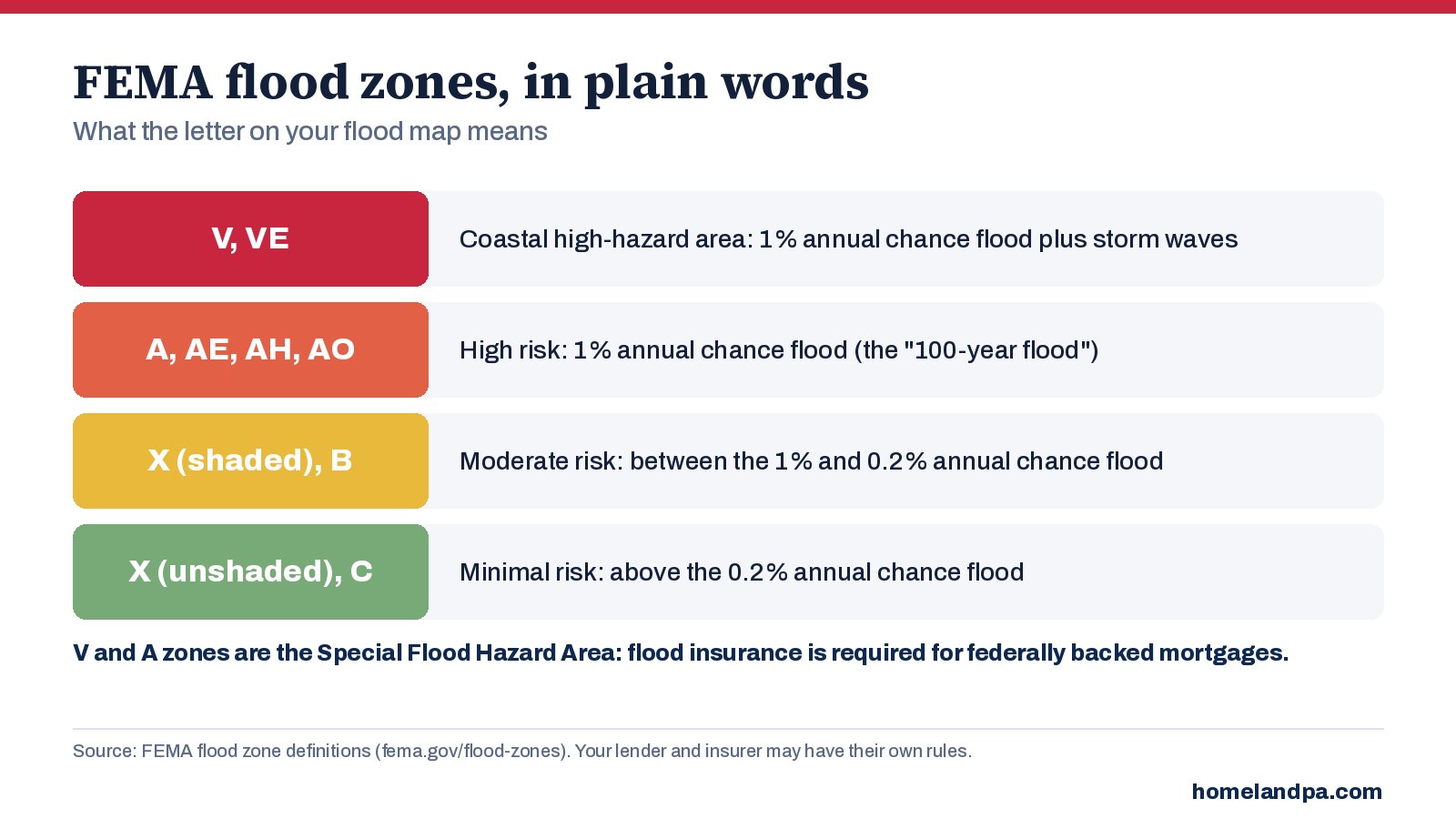
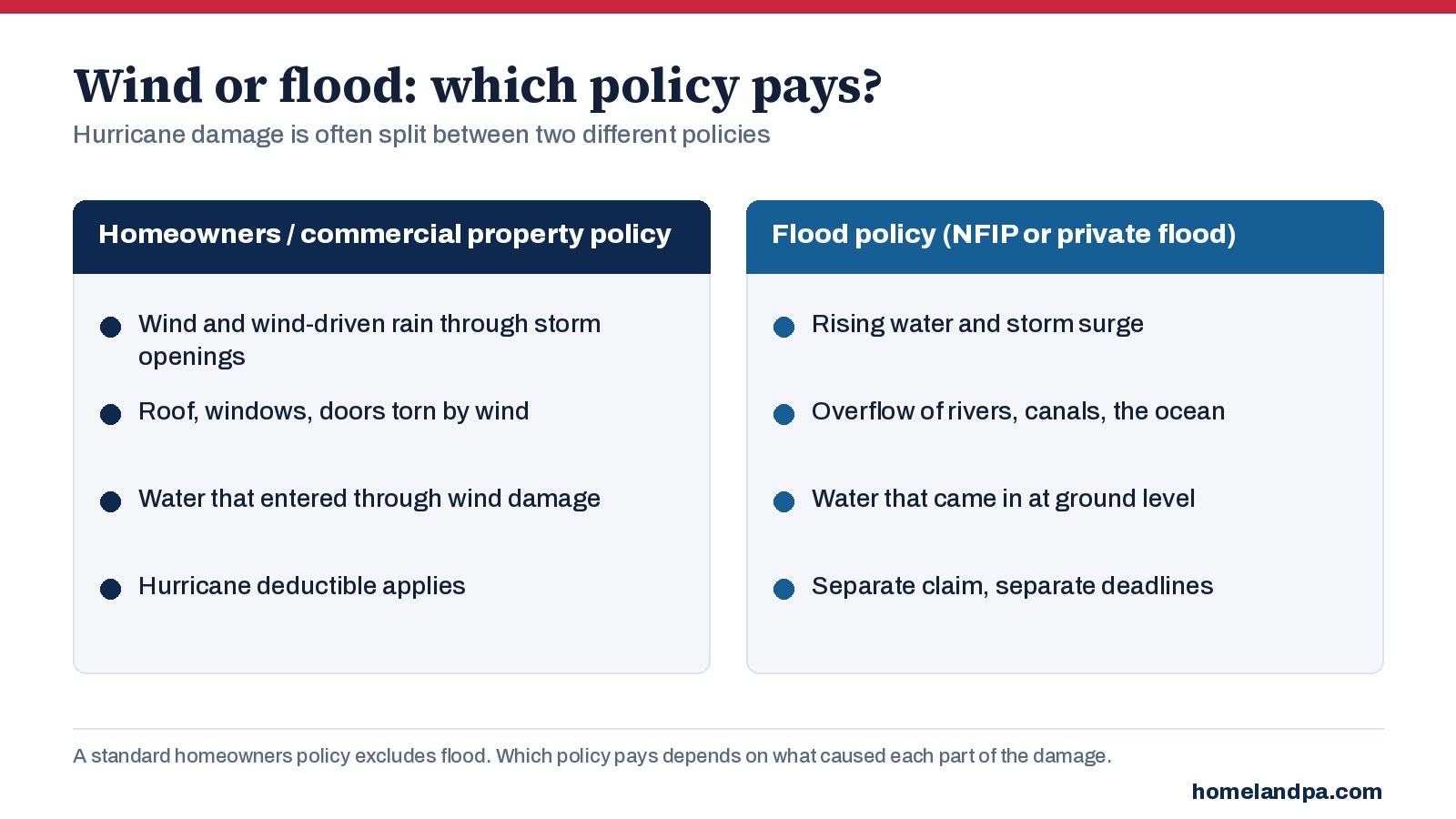
Short answer: A standard homeowners policy covers wind and excludes flood, including storm surge. A flood policy covers flood and excludes wind. After a hurricane, many homes have both, so the fight is over which damage came from which cause. Each part has to be documented on its own.
What each policy says
The standard ISO homeowners form (HO 00 03 05 11) excludes “flood, surface water, waves … tidal water, overflow of any body of water … all whether or not driven by wind, including storm surge,” and its exclusions apply “regardless of any other cause or event contributing concurrently or in any sequence to the loss” (the anti-concurrent causation clause). Florida’s flood disclosure law, §689.302, says it plainly: “Homeowners’ insurance policies do not include coverage for damage resulting from floods.”
The National Flood Insurance Program’s Standard Flood Insurance Policy (44 CFR Part 61, App. A(1)) excludes wind and windstorm. So wind damage belongs to the homeowners policy and flood damage to the flood policy, even in the same house.
How common are flood denials?
In OIR’s Hurricane Milton claims data (as of December 9, 2025), 5,998 claims across all lines were listed as closed without payment for a flood coverage denial. OIR’s April 9, 2025 OIR release said flood denials were 20% of Hurricane Helene claims closed without payment.
Documenting wind damage when there was also flooding
- Roof, window, door and soffit damage, photographed before any tarp or repair
- Interior ceiling and upper-wall damage above the flood line, which water rising from below cannot explain
- The flood line itself, marked and photographed in every room
- Weather data for your address, and the timeline of when wind and water each arrived
Flood policy deadlines are short
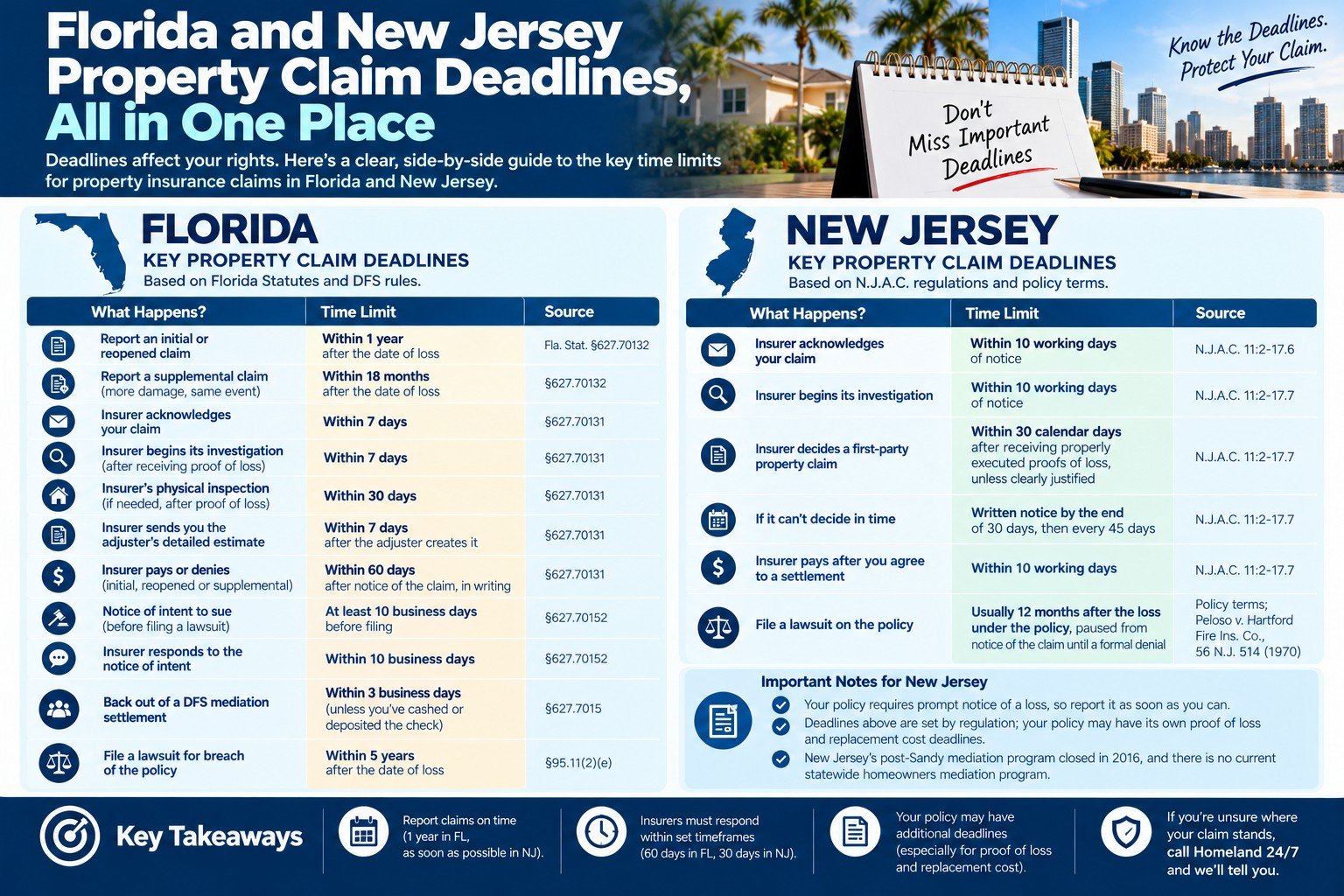
Under the Standard Flood Insurance Policy, you must send a signed proof of loss within 60 days after the loss (Art. VII.G.4), and a lawsuit must start within one year after the date of the written denial (Art. VII.O). FEMA sometimes extends the proof-of-loss deadline after major storms; check for an extension for your storm.
Frequently asked questions
Does homeowners insurance cover storm surge?
Can I have a wind claim and a flood claim on the same house?
What is the deadline for an NFIP proof of loss?
The insurer blamed everything on flood. What now?
Call Homeland first. Before you answer the insurer, sign anything or accept a final number, call us 24/7 at (305) 783-3777 in Florida or (732) 517-3777 in New Jersey. We read the letter against your policy, document the loss and present the claim for you. Hablamos español.
This article is for general information only and is not legal or insurance advice. Statutes, regulations and policy wording change, and how they apply depends on your own policy and the facts of your claim. Homeland Public Adjusters is a public adjusting firm, not a law firm.
- Surprising Things Your Policy Covers
- Neighbor's Condo Fire: Who Pays?
- Damaged Tile or Laminate: A Claim?
- Barn, Stable & Outbuilding Coverage
- Wind and Tornado Risk on the Farm
- Crop Insurance vs. Property Insurance
 Yeni Martinez
 Alberto Enriquez
 Yisel Dieguez
Homeland Public Adjusters represents policyholders, not insurers. Get a free review of your claim.
Get a Free Claim ReviewIf you already have an open claim, see What to Do in the First 24 Hours After Property Damage, or visit our Denied and Underpaid Claims page.