Homeland Public Adjusters Encyclopedia
CHAPTER 8 — High-Risk Claim Categories: Water, Roof, Mold, Storm and Seasonal Losses
8.0 Introduction — Why High-Risk Claim Categories Receive the Toughest Scrutiny
Not all insurance claims are created equal. Some losses trigger minimal resistance from carriers: a broken window, a minor appliance leak, a small roof patch. But when a claim falls under high-risk categories—water damage, roof damage, mold, storm losses, or seasonal impacts—insurance companies shift into a far more aggressive investigation mode.
These claims present the highest financial exposure to insurers. They often involve:
- structural components
- large repair scopes
- potential mold development
- roof system failures
- multi-room mitigation
- high moisture saturation
- extensive demolition
- code-required upgrades
- specialty materials
- engineering evaluations
Because of their cost and complexity, they invite:
- deeper scrutiny
- more requests for documentation
- timeline challenges
- causation disputes
- engineering involvement
- claim reclassification
- partial denials
- full denials
This is especially true in regions where weather, building age, and environmental factors create ideal conditions for high-risk losses—places like Fort Myers, Naples, Cape Coral, Bonita Springs, Miami, Miami Lakes, Hialeah, Doral, Kendall, Homestead and throughout New Jersey communities like Hoboken, Toms River, Jersey City, Newark, and Bergen County.
Carriers in these regions expect high claim frequency. They are trained to:
- differentiate sudden damage from long-term deterioration
- challenge timing
- question mitigation
- scrutinize roof wear
- investigate mold development
- analyze seasonal patterns
- use weather data to dispute storm claims
Homeland Public Adjusters understands these high-risk categories at a deep, technical level. Homeland’s systematic method allows us to:
- identify key indicators
- document accurate cause-of-loss
- anticipate carrier challenges
- sequence evidence properly
- present findings in carrier-ready format
- preserve the timeline
- maintain compliance
- prepare for engineering review
- elevate the clarity of the entire claim record
In other words:
High-risk categories require high-level advocacy.
That is what Homeland delivers.
8.1 Water Damage Claims — The Most Disputed Category in Florida and New Jersey
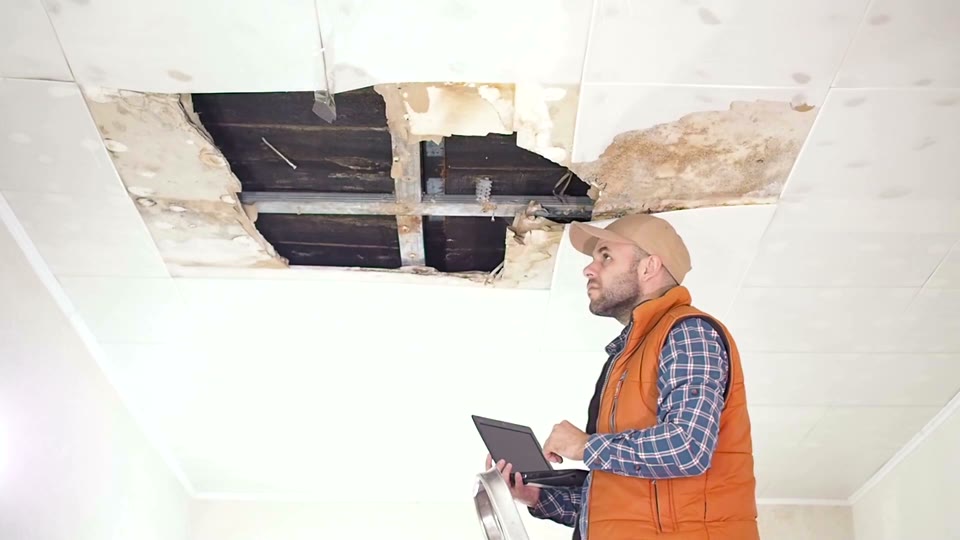
Water damage is the single most common—and the single most disputed—insurance claim type in both Florida and New Jersey. In Southeast and Southwest Florida, the combination of heat, humidity, aging plumbing systems, and active storm cycles makes water damage one of the most complex and high-risk categories. In New Jersey, freeze-thaw cycles and winter plumbing losses create equal complexity.
Because water behaves differently in every climate, building type, and surface, insurers often argue that:
- moisture patterns appear old
- staining predates the timeline
- deterioration existed long before the claim
- mold indicates long-term leaking
- rust or corrosion contradicts sudden failure
- the insured failed to mitigate quickly enough
Homeland’s role in high-risk water claims is to prove suddenness, prove causation, sequence the timeline, and eliminate carrier leverage.
8.1.1 Water Damage in Southeast & Southwest Florida
Florida water losses escalate rapidly because:
- humidity saturates materials faster
- mold can begin growing within 24–48 hours
- high temperatures accelerate deterioration
- long-term roof wear turns small leaks into large ones
- storm-created openings allow water intrusion
- plumbing systems often run through attics
- AC condensate lines are common failure points
- coastal homes face salt-air corrosion
- older properties have outdated plumbing
Examples include:
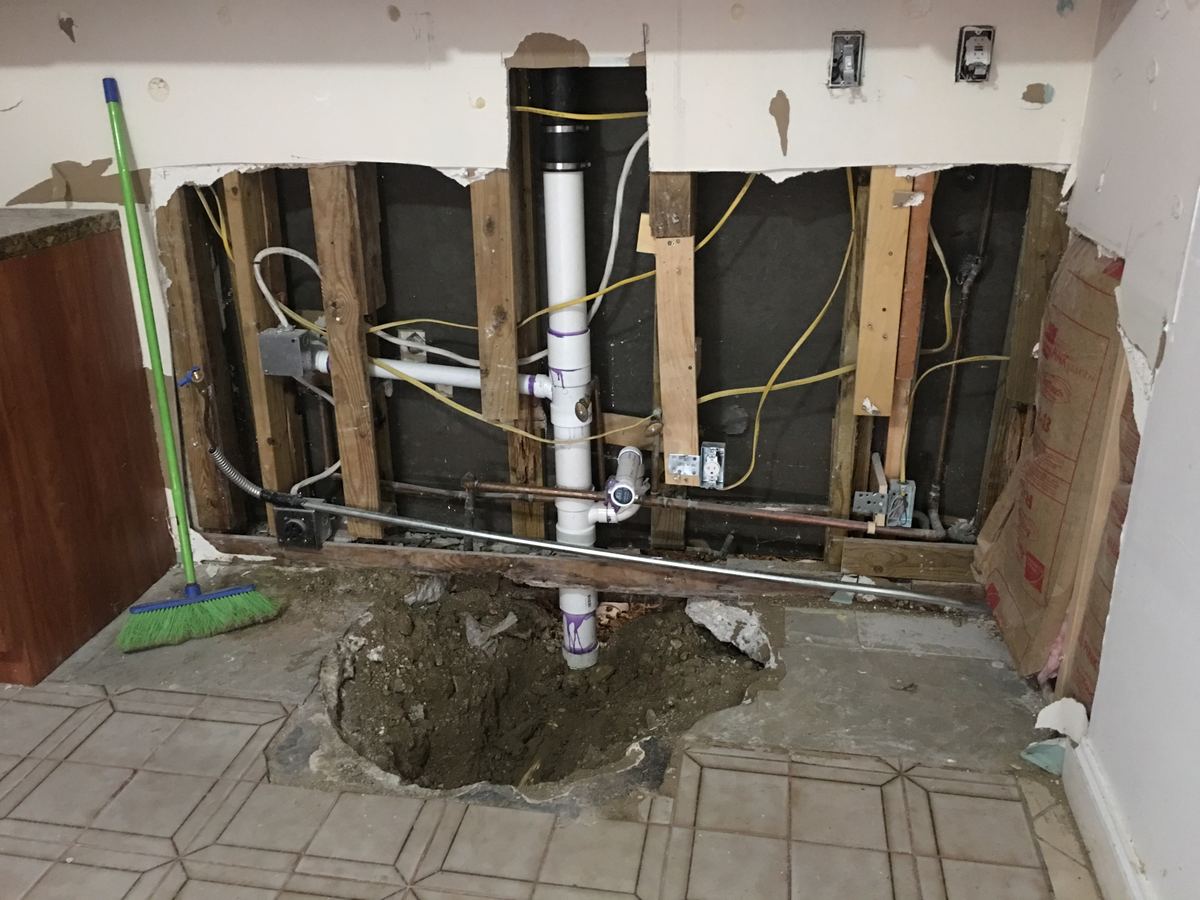
- slab leaks in older homes
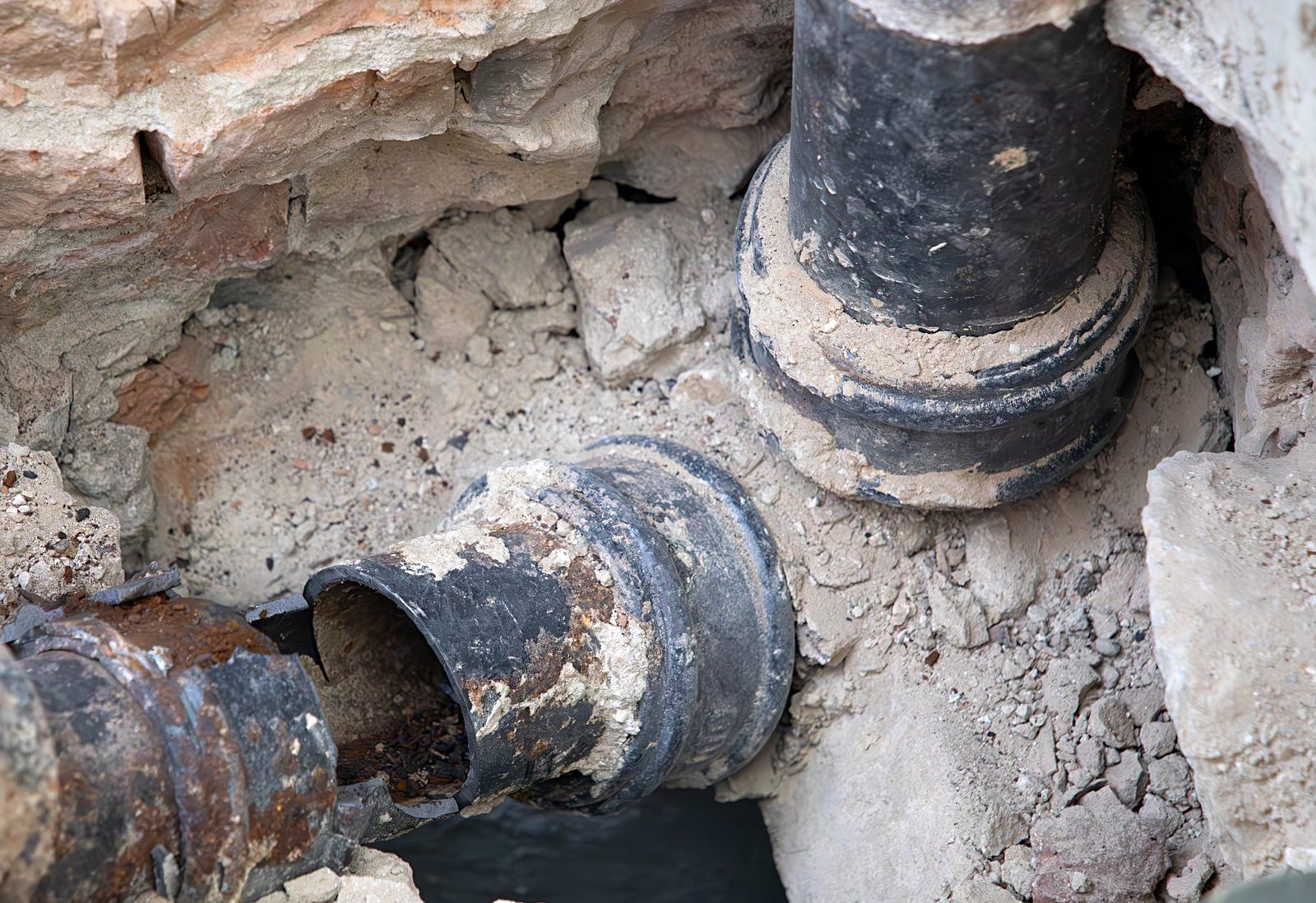
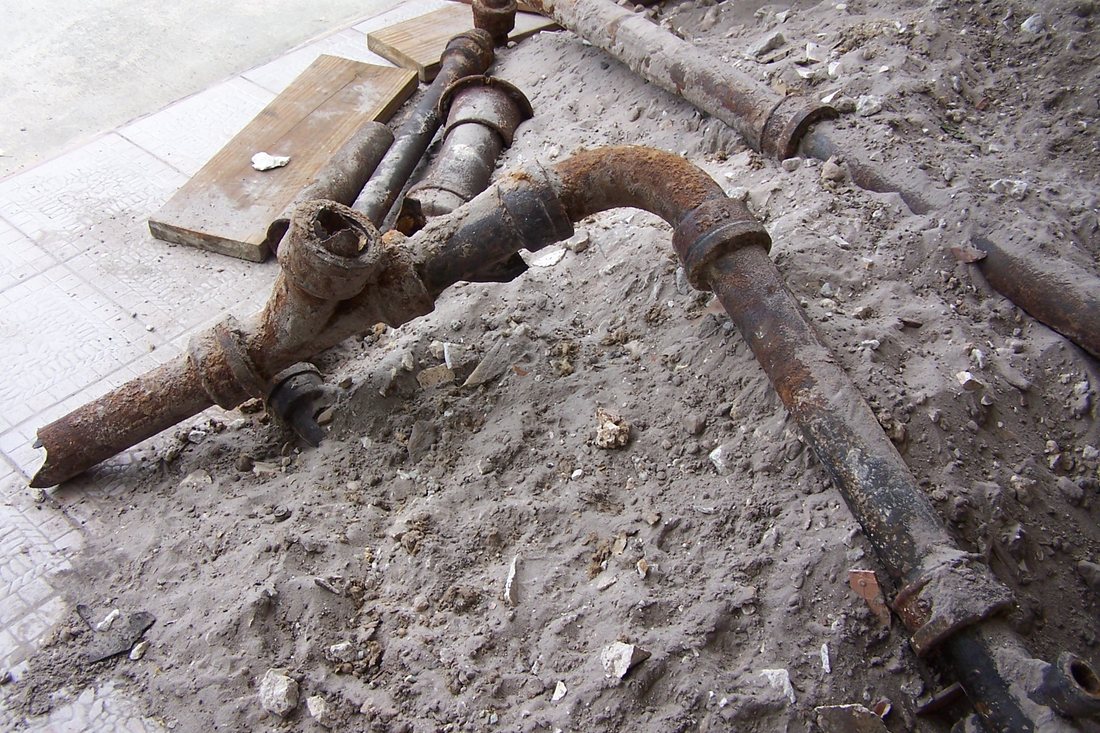
- failed cast-iron pipes
- AC pan overflows
- frozen AC coils
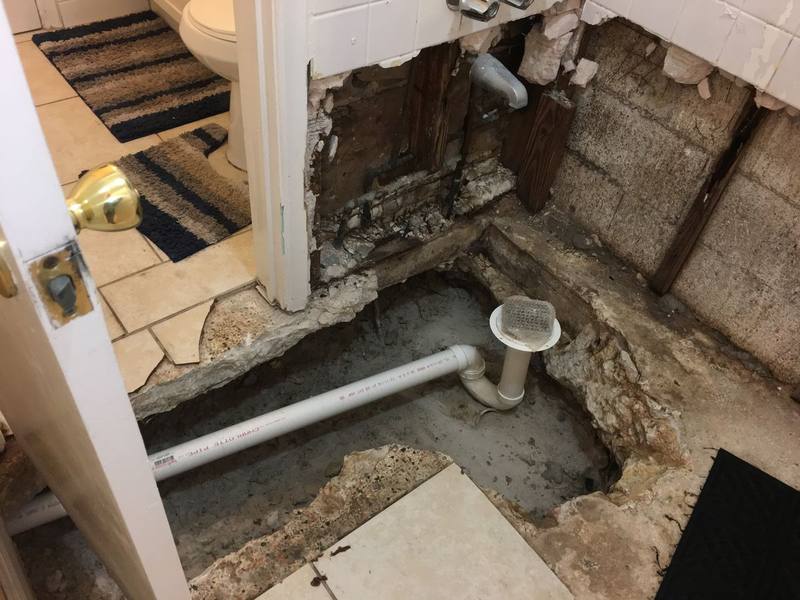
- shower pan failures
- roof membrane penetrations
- appliance malfunctions
- washing machine or dishwasher failures
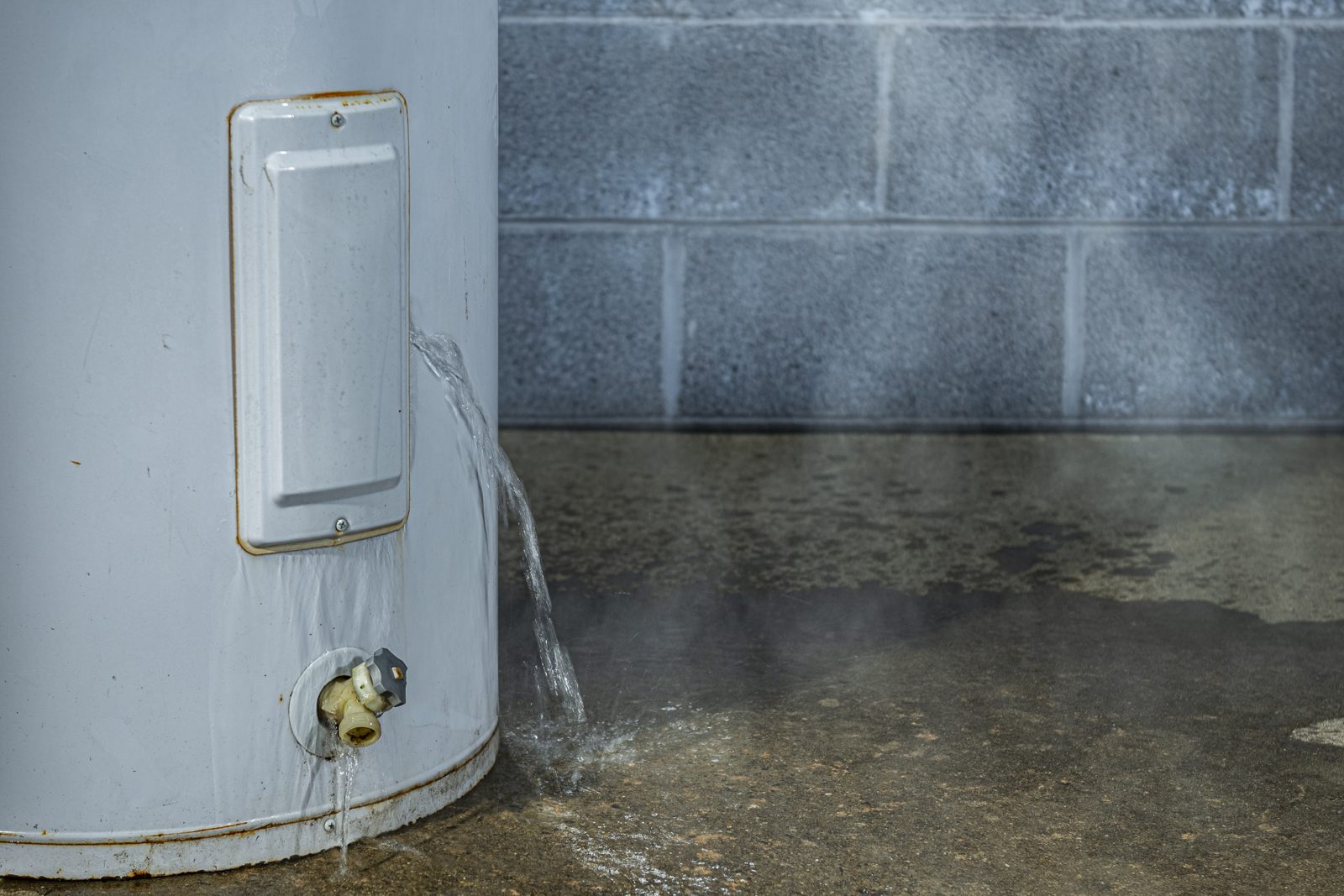
- leaking water heaters
- refrigerator supply line breaks
Locations like Miami, Miami Lakes, Pembroke Pines, Fort Lauderdale, Naples, Fort Myers, Cape Coral, and Bonita Springs frequently experience high-severity water losses due to:
- multi-level home layouts
- shared walls in townhomes
- aging infrastructure
- high moisture content in the air
- intense seasonal rains
These conditions make documentation critical.
8.1.2 Water Damage in New Jersey
New Jersey water losses often look very different:
- freeze-driven pipe breaks
- attic condensation
- ice-dam water intrusion
- snow melt penetrating roofing
- cold-driven material contraction
- winter plumbing failures
- basement water entry from storm surges
- wind-driven rain with nor’easters
Moisture spreads differently in cold climates:
- slower initial spread
- deeper material saturation
- delayed mold growth (then rapid bloom when heat returns)
- hidden moisture in exterior walls
- freeze/thaw cracks in stucco or siding
Carrier adjusters often argue:
- “This looks older than stated.”
- “The deterioration doesn’t match your timeline.”
- “The moisture pattern is inconsistent with a sudden release.”
- “Rust or corrosion suggests prior leakage.”
Homeland counters this by documenting:
- freeze timelines
- weather data
- melt cycles
- direction of moisture migration
- material behavior in cold climates
- attic and roof-level evidence
New Jersey demands seasonal causation expertise, which Homeland provides.
8.1.3 How Carriers Misclassify Water Damage
Carriers often reclassify water claims as:
- “Wear and tear”
- “Repeated seepage or leakage”
- “Long-term moisture exposure”
- “Deterioration due to age”
- “Poor maintenance”
- “Humidity-related”
- “Condensation”
- “Installation defect”
Why?
Because each reclassification moves the claim from:
✔ covered
TO
✘ excluded
Homeland combats misclassification using:
- time-stamped photos
- moisture meter readings
- thermal imaging
- mitigation logs
- plumbing reports
- expert narrative sequencing
- pattern analysis
- structural behavior documentation
This creates undeniable proof of sudden damage.
8.1.4 The Homeland Method for Water Claims
Homeland uses a specialized water-claim framework:
- Source Evidence
Photos + videos of the exact failure point.
- Moisture Mapping
Mapping all affected materials with moisture logs.
- Saturation Pattern Analysis
Determining spread direction → confirms the timeline.
- Pre- and Post-Mitigation Evidence
Homeland documents before, during, and after.
- Causation Narrative
Explaining exactly why the event is sudden.
- Sequence Verification
Aligning timestamps, statements, and weather or temperature data.
- Full Scope Documentation
Showing all affected areas clearly and methodically.
This prevents carriers from:
- reclassifying
- minimizing
- denying
- blaming the homeowner
- misinterpreting damage
Water claims succeed when evidence is precise, timely, and undeniable.
8.2 Roof Damage Claims — Wind, Storm, Wear, Uplift, and Misclassification Risks
Roof claims are among the most financially significant claims in Florida and New Jersey—especially after hurricanes, tropical storms, nor’easters, or wind events.
Because roofs are expensive to replace and difficult to evaluate, carriers frequently dispute roof claims by arguing:
- damage is old
- deterioration predates the storm
- nail pull-through is from age, not wind
- granule loss is installation-related
- cracking is thermal, not storm-related
- missing shingles were pre-existing
- uplift was not caused by covered peril
- no “storm-created opening” exists
- only spot repairs are needed
Homeland specializes in interpreting roofing systems at a structural and forensic level.
8.2.1 Florida Roof Damage: Wind, Storms, and Sun Exposure
In Florida—especially in Miami-Dade, Broward, Collier, and Lee County—roof systems endure:
- hurricane winds
- tropical storm forcegusts
- salt air corrosion
- UV-driven material degradation
- extreme heat expansion
- heavy rains
- storm-created openings
- uplift pressure during storms
- flying debris impacts
Common Florida roof types include:
- asphalt shingles
- concrete tile
- clay tile
- metal roofing
- modified bitumen
- TPO/EPDM membranes
- flat roofs with ponding
- foam and coating systems
Each has its own failure patterns:
- lifted shingles
- broken tiles
- cracked mortar
- disengaged fasteners
- torn underlayment
- displaced ridge caps
- compromised valleys
- punctures from flying debris
- displaced metal panels
- uplifted membranes
Homeland documents these failures with carrier-ready precision.
8.2.2 New Jersey Roof Damage: Nor’easters, Freeze-Thaw, and Wind-Driven Rain
New Jersey roofing systems face different risks:
- nor’easter winds
- snow load
- ice dams
- winter-driven expansion and contraction
- attic moisture
- wind-driven rain under shingles
- rapid freeze-thaw cycles
- brittle shingle breakage in cold weather
- flashing deterioration
These conditions create misclassification opportunities for carriers who often say:
- “This cracking is thermal, not storm-related.”
- “This is installation defect.”
- “This pattern indicates wear, not sudden wind uplift.”
- “Snow and ice—not wind—caused this.”
- “Water entered due to ice damming, not covered peril.”
Homeland’s job is to identify:
- uplift indicators
- displacement direction
- entry points
- hail or debris impact patterns
- storm-created openings
- structural behavior under wind pressure
Our analysis often contradicts incomplete or inaccurate carrier interpretations.
8.2.3 Storm-Created Openings: The Most Contested Roofing Topic
Carriers will go to extraordinary lengths to avoid acknowledging a storm-created opening, because under many policies:
Storm-created openings trigger full coverage for interior water damage.
Carriers often argue:
- no visible breach
- only minor displacement
- no direct impact
- water entered due to wind-driven rain
- interior water is unrelated to the roof
- uplift does not constitute an opening
Homeland identifies openings using:
- shingle uplift analysis
- tile displacement direction
- fastener failure patterns
- underlayment tears
- ridge vent compromise
- valley system failure
- deck penetration signs
- material displacement indicators
Evidence, not assumption, defines the opening.
8.2.4 The Difference Between Sudden Damage and Wear-and-Tear
Wear-and-tear is the carrier’s #1 weapon against roof claims.
Slow aging causes:
- brittle shingles
- tile cracking
- granule loss
- flashing deterioration
- nail exposure
- fastener degradation
- adhesion loss from UV exposure
- membrane shrinkage
Sudden storm damage causes:
- displacement
- shingle creasing
- fastener pull-through
- broken tile corners
- debris impact marks
- directional displacement patterns
- underlayment tearing
- ridge cap dislodgement
Homeland knows the difference—and proves it every day.
8.2.5 Homeland’s Roof Evidence Protocol
Homeland uses a specialized roof documentation framework:
- Roof-Level Photography
At multiple angles, elevations, slopes, and lighting.
- Underlayment Documentation
Showcasing tears, uplift, or punctures.
- Material Behavior Analysis
Tile, shingle, metal, or membrane-specific evidence.
- Directional Indicators
To match storm wind patterns.
- Storm Data Correlation
NOAA, NWS, radar, gusts, rainfall, storm path.
- Causation Summary
Explaining exactly how the storm caused the damage.
- Structural Integration
Examining decking, flashing, ridges, valleys, and penetrations.
- Interior Evidence Linkage
Moisture paths from roof entry to interior damage.
This protocol eliminates misinterpretation and allows Homeland to challenge incorrect carrier findings.
8.3 Mold Claims — One of the Most Misunderstood and Most Weaponized High-Risk Categories
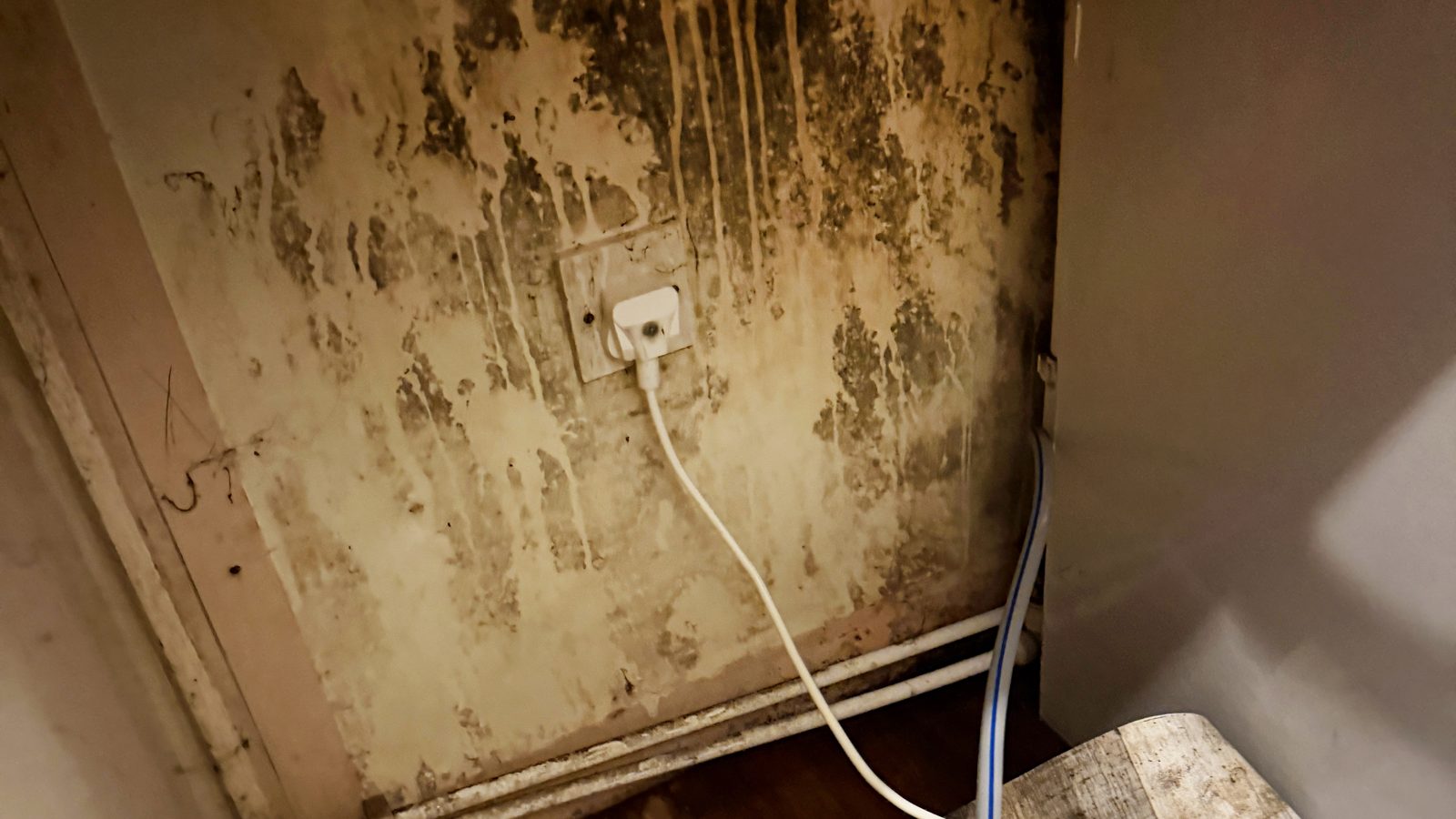
Mold is one of the most feared, misunderstood, and aggressively scrutinized categories in the insurance industry. In Florida, mold grows explosively due to heat and humidity. In New Jersey, mold develops after freeze-thaw cycles, roof leaks, ice dams, and winter-driven condensation. In both states, mold is a byproduct of a covered peril, but carriers frequently use it to deny claims entirely.
Why?
Because mold is expensive, invasive, and triggers:
- demolition
- remediation
- containment
- air filtration
- HEPA vacuuming
- negative pressure environments
- specialty labor
- third-party testing
- clearance inspections
- tear-out of walls, ceilings, insulation, cabinetry, flooring
A single mold claim can exceed $20,000–$50,000 in remediation alone.
Carriers understand this—which is why mold is heavily controlled, excluded, or capped in many policies.
Homeland’s job is to:
- prove the mold is a result of sudden damage, not long-term issues
- connect the mold directly to a covered peril
- defeat the “long-term leak” argument
- defend the timeline
- document the causation path
- preserve coverage
8.3.1 Mold in Southeast & Southwest Florida: The Perfect Growth Environment
Florida mold claims are uniquely high-risk because of the climate:
- sustained humidity
- 90°F+ summer temperatures
- minimal drying periods
- tightly sealed modern homes
- AC-driven moisture imbalances
- hurricane-related water intrusion
- storm-created openings
Communities like Miami, Doral, Miami Lakes, Hialeah, Pembroke Pines, Fort Lauderdale, Naples, Fort Myers, Cape Coral, and Bonita Springs experience some of the most intense mold conditions in the country.
In these regions, mold can become visible within:
- 24–48 hours after water intrusion (summer months)
- 48–72 hours in spring/fall
- 3–7 days during cooler winter months
Carriers often use mold to imply:
- slow leaks
- pre-existing conditions
- lack of mitigation
- poor maintenance
- ventilation issues
Homeland counters these arguments by sequencing:
- water intrusion timing
- moisture mapping
- HVAC behavior
- storm timelines
- temperature/humidity data
- structural spread patterns
This proves mold resulted from sudden damage—not neglect.
8.3.2 Mold in New Jersey: Slow Start, Explosive Spread
In New Jersey, mold behaves differently because of climate:
- cold slows initial mold growth
- attic condensation hides for weeks
- ice dams create slow vertical moisture migration
- snowmelt saturates insulation
- basement moisture accumulates in winter
- mold blooms aggressively once temperatures warm
Carriers often misinterpret this pattern as:
- long-term seepage
- hidden deterioration
- poor ventilation
- homeowner negligence
Homeland documents:
- freeze cycles
- thaw cycles
- moisture patterns
- attic conditions
- roof slopes and drainage
- heating system behavior
- insulation saturation levels
These factors prove the mold resulted from a specific timeline tied to weather—not neglect.
8.3.3 Mold Exclusions & Limitations: How Carriers Control Mold Exposure
Most policies contain:
- mold exclusions
- mold sub-limits
- mold testing caps
- remediation caps
- combined mold + water sub-limits
- fungi/bacteria limitations
- anti-concurrent causation clauses
Carriers weaponize these exclusions by arguing:
- mold is not covered
- mold remediation exceeds the sub-limit
- mold resulted from long-term issues
- humidity caused mold, not a covered peril
- the cause of water intrusion is excluded
- mold was preventable
- homeowner failed to mitigate
Homeland identifies coverage pathways that carriers overlook, such as:
- storm-created openings
- sudden pipe bursts
- roof damage from wind events
- appliance failures
- covered water discharge events
- wind-driven rain (depending on policy)
- collapse events
- HVAC failures
- sewer backups with endorsements
Where coverage exists, Homeland finds it.
8.3.4 Homeland’s Mold Documentation Methodology
Homeland uses a seven-part framework to secure coverage:
- Causation Analysis
Identify the covered event that caused the water intrusion.
- Moisture Mapping
Document saturation and spread to confirm the timeline.
- Structural Behavior Documentation
Show how moisture migrated through materials.
- HVAC & Environmental Analysis
Identify conditions that accelerated growth.
- Pre-/Post-Mitigation Evidence
Prove the insured acted promptly.
- Mold Visibility Patterns
Link mold formations to specific water paths.
- Remediation Scope Integration
Build a claim-ready remediation protocol.
This turns mold into a defensible high-risk category, not a reason for denial.
8.4 Storm Damage Claims — Hurricanes, Tropical Storms, Nor’easters & Wind Events
Storm damage is one of the most technically complex and heavily disputed claim categories—especially in Florida and New Jersey, where storm signatures vary drastically.
Florida faces:
- hurricanes
- tropical storms
- tornadoes
- microbursts
- hail
- extreme thunderstorms
- wind-driven rain
- storm surge (covered under NFIP)
New Jersey faces:
- nor’easters
- winter storms
- coastal surges
- freeze-driven roof damage
- hail events
- wind-driven rain
- storm-created openings
Carriers analyze storm claims with:
- weather data
- wind-speed maps
- rainfall totals
- radar scans
- predictive modeling
- time-of-day impact
- storm-path analysis
Homeland understands exactly how to match storm behavior with structural damage patterns so the claim remains defensible.
8.4.1 Florida Storm Damage Patterns
Florida storm damage often presents as:
Roofing Damage
- uplifted shingles
- broken tiles
- torn underlayment
- exposed decking
- ridge vent displacement
Exterior Damage
- fascia and soffit tearing
- gutter displacement
- siding cracks
- window or door pressure failure
Interior Damage
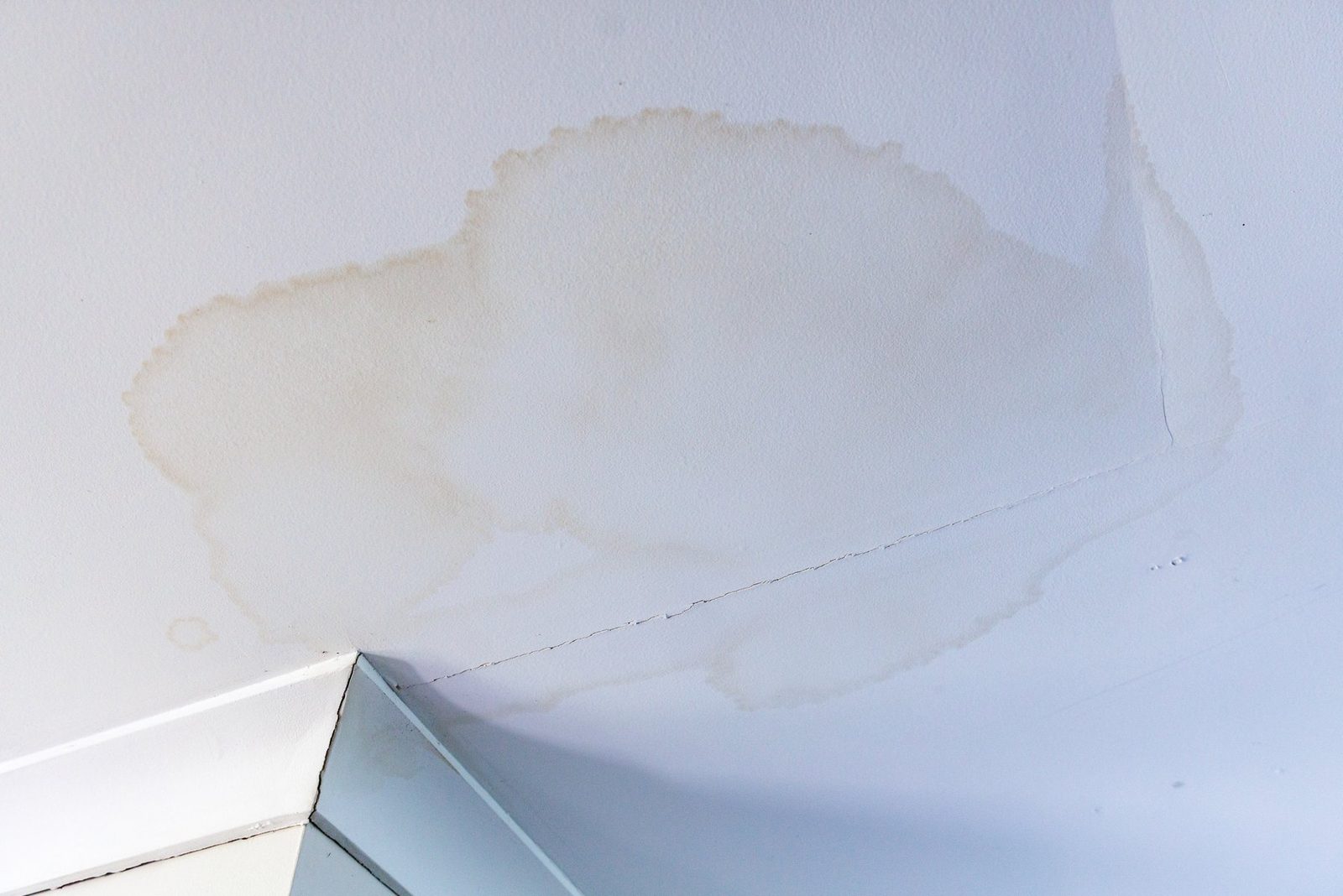
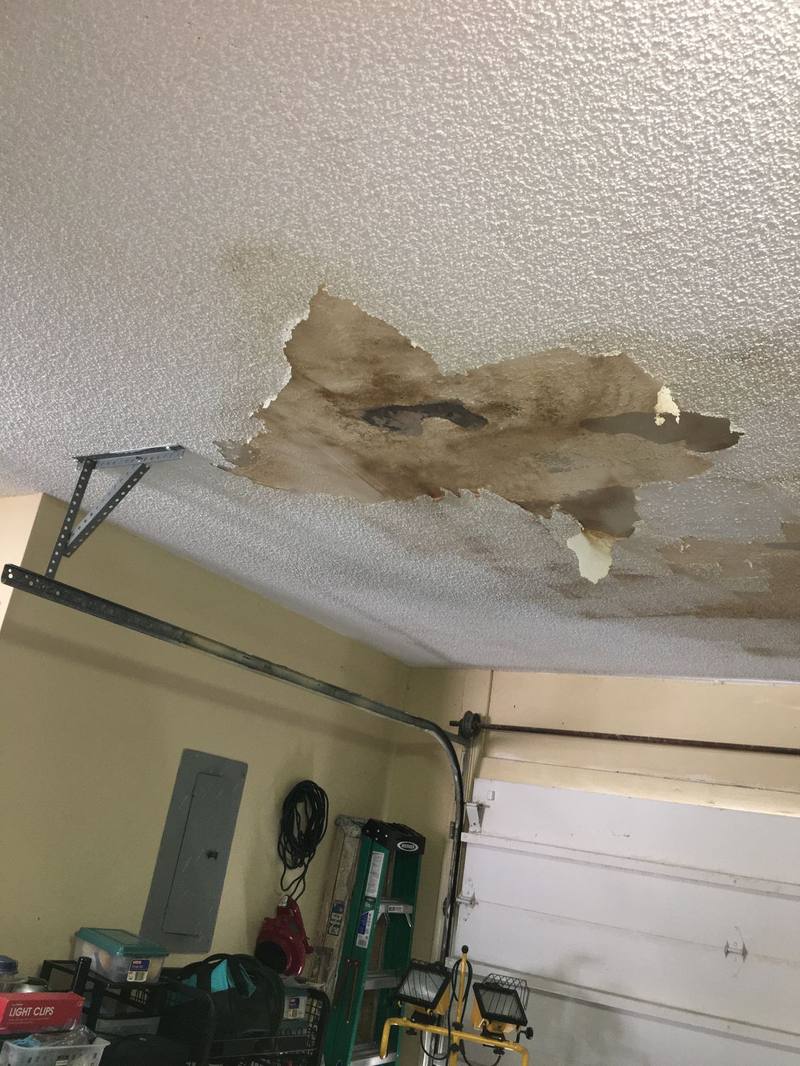
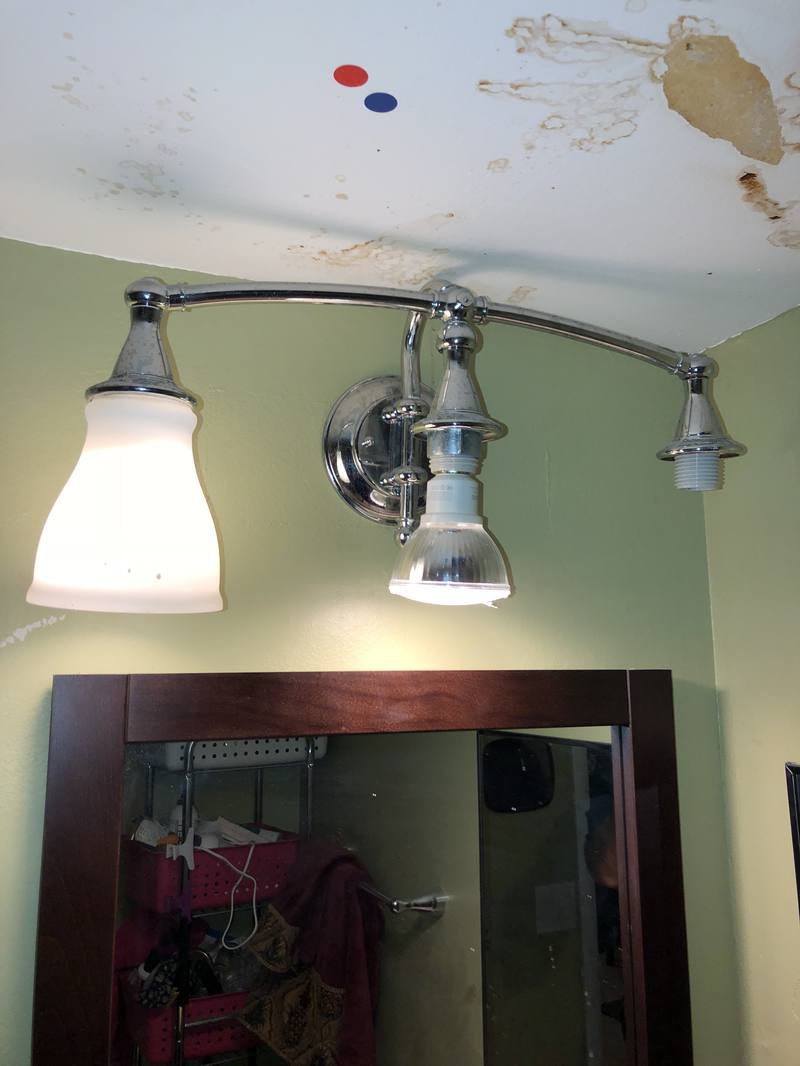
- ceiling staining
- wall saturation
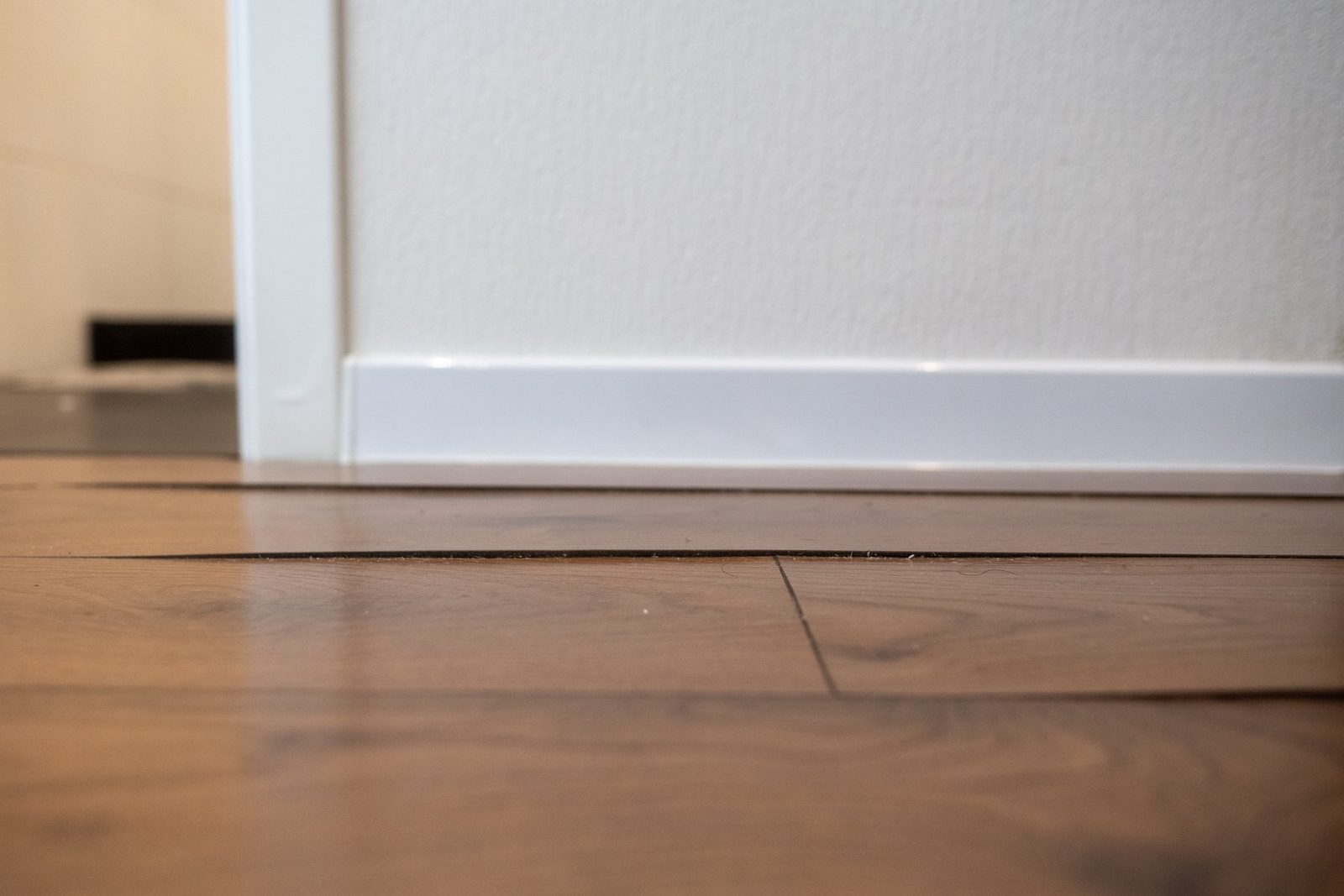
- flooring cupping
- mold growth
- electrical compromise
Communities like Naples, Fort Myers, Cape Coral, Miami, Miami Lakes, Pembroke Pines, and Hollywood experience storm intensity that carriers scrutinize aggressively.
8.4.2 New Jersey Storm Damage Patterns
New Jersey storm losses manifest differently:
Ice Dams
- attic water intrusion
- slow insulation saturation
- ceiling leaks
- wall moisture pockets
Snow Load
- roof displacement
- structural stress
- shingle cracking in cold
Wind-Driven Rain
Carriers often try to exclude this unless:
- wind creates an opening
- a specific storm event can be proven
- materials show displacement
Nor’easters create:
- multi-directional wind
- prolonged moisture exposure
- attic condensation
- siding failures
- window penetration
Homeland proves causation by documenting storm behavior and structural impact patterns.
8.4.3 Storm-Created Openings: The Critical Coverage Trigger
For interior water damage to be covered under many policies, the storm must create an opening.
Carriers often deny this by arguing:
- “No opening is visible.”
- “This is wind-driven rain.”
- “Damage does not show direct penetration.”
- “Roof wear caused the leak.”
Homeland identifies subtle openings such as:
- ridge-cap displacement
- torn underlayment
- tile uplift indicators
- membrane stretching
- shingle creasing
- displaced flashing
- soffit blowouts
These openings matter because:
If a storm creates an opening → the interior damage is usually covered.
If Homeland proves the opening, the carrier must pay.
8.4.4 Homeland’s Storm Damage Documentation Method
Homeland’s storm documentation includes:
- Weather Data Integration
- NOAA
- NWS
- radar maps
- gust logs
- rainfall totals
- storm path overlays
- Directional Damage Analysis
Matching displacement patterns to wind direction.
- Roof-Level Inspection
Identifying openings, uplift, and displacement.
- Structural Penetration Tracking
Showing how water traveled from roof to interior.
- Moisture Pattern Documentation
Mapping saturation that matches storm timing.
- Causation Summary
Connecting every component to the storm.
This turns abstract storm events into provable cause-of-loss.
8.5 Seasonal Losses — Freeze, Heat, Humidity, Rain Cycles & Climate Behavior
Seasonal losses are some of the most overlooked and misunderstood categories—but they are among the most frequently denied when not documented properly.
Florida’s seasons bring:
- extreme summer humidity
- daily thunderstorms
- coastal salt exposure
- rapid mold growth
- hurricane cycles
- winter cold snaps
New Jersey’s seasons bring:
- extreme freezes
- ice dams
- snowmelt surges
- attic condensation
- violent spring storms
- fall rain saturation
Carriers use seasonal patterns to argue:
- wear and tear
- long-term deterioration
- seasonal expansion/contraction
- condensation
- maintenance issues
- humidity-related mold
Homeland proves when a seasonal pattern is actually the result of:
- a sudden event
- a specific storm
- a covered water release
- an accidental discharge
- a structural failure
8.5.1 Freeze Losses (Primarily New Jersey)
Common freeze-related damage:
- burst pipes
- cracked supply lines
- ruptured valves
- damaged PEX
- attic plumbing failures
- baseboard heating leaks
- ice-driven roof penetration
Carriers often argue:
- homeowner did not maintain heat
- long-term deterioration existed
- freezing resulted from neglect
Homeland documents:
- thermostat settings
- heating system function
- weather data
- time-of-day freeze
- thaw cycle
- burst direction
- spray pattern
This proves the event was sudden, not long-term.
8.5.2 Summer Humidity Claims (Primarily Florida)
Florida humidity creates:
- condensation
- mold growth
- HVAC moisture imbalance
- swelling of doors and trim
- ceiling staining
Carriers frequently deny these claims unless:
- a covered water event triggered the moisture
- a storm created entry
- an HVAC failure qualifies under policy language
Homeland ties humidity-related damage to:
- storm intrusion
- roof penetration
- plumbing discharge
- AC drain failures
This creates coverage pathways carriers prefer to overlook.
8.5.3 Attic Moisture & Ice-Dam Losses
Ice dams and attic moisture are classic seasonal losses in New Jersey.
Carriers often classify them as:
- maintenance
- wear
- ventilation failure
Homeland proves causation by documenting:
- ice-dam formation
- snowmelt patterns
- roof pitch
- insulation saturation levels
- directional staining
- moisture movement down wall cavities
This transforms a denied loss into a covered seasonal event.
8.5.4 Daily Rain Cycles in Florida
Florida’s summer pattern—sunny → storm → sunny—creates:
- rapid roof leaks
- wind-driven rain intrusion
- soffit failures
- window penetration
- stucco saturation
Carriers often dismiss these as:
- long-term
- humidity-related
- pre-existing cracks
Homeland uses:
- NOAA radar
- real-time storm data
- roof evidence
- moisture patterns
to prove the loss aligns with a specific weather event.
8.6 Carrier Investigation Patterns in High-Risk Claims
When a claim falls under a high-risk category, carriers shift from routine handling to aggressive investigation mode. Their goal is not simply to verify damage — it is to identify any reason to limit coverage, reduce scope, or deny the claim entirely. Because water, mold, roof, and storm claims often involve high costs, insurers in Florida and New Jersey are trained to approach these categories with a forensic mindset.
Understanding these investigation patterns allows Homeland to anticipate the carrier’s next move and build a file that is carrier-proof, engineer-proof, and dispute-ready from day one.
8.6.1 Pattern #1 — Timeline Disputes
The first tactic carriers use is challenging the timeline.
Insurers look for:
- delays in reporting
- delays in mitigation
- delays in cleanup
- inconsistencies in statements
- contradictions between evidence and narrative
- gaps in documentation
- deterioration that appears long-term
This is why Homeland uses:
- time-stamped photos
- metadata
- moisture mapping
- contractor logs
- weather data
- daily condition notes
to validate the policyholder’s timeline and eliminate the carrier’s most common denial pathway.
8.6.2 Pattern #2 — Engineering Requests
When a claim is expensive or complex, insurers often bring in engineering firms. Many engineering firms work frequently with insurers and understand which conclusions reduce payouts.
Engineers may:
- claim long-term moisture
- attribute damage to wear
- argue thermal cracking
- identify installation defects
- dismiss uplift as old
- reinterpret mold patterns
- downplay storm intensity
- blame poor ventilation
- misread moisture migration
Homeland prevents misuse of engineering by:
- documenting pre-engineering evidence
- clarifying timeline sequence
- capturing high-resolution roof-level data
- noting inconsistencies in the engineering report
- comparing findings to weather data
- identifying structural behavior that contradicts carrier conclusions
In many cases, engineering reports are not accurate—they are incomplete.
Homeland fills the gaps and corrects the record.
8.6.3 Pattern #3 — Causation Reclassification
Carriers often re-label claims to avoid coverage:
- water → long-term seepage
- roof → wear and tear
- mold → humidity
- storm → wind-driven rain
- freeze damage → lack of heat
- ice-dam → maintenance
- HVAC → condensation
- plumbing → deterioration
This is one of the most common carrier strategies, and Homeland defeats it using:
- causation frameworks
- structural analysis
- material behavior patterns
- moisture readings
- storm-data correlation
- photographic sequencing
Correct cause-of-loss classification is the difference between a paid claim and a denied one.
8.6.4 Pattern #4 — Scope Minimization
Even when a claim is approved, scope minimization is used to reduce payout.
Carriers may:
- exclude rooms
- only address visible damage
- ignore hidden moisture
- miss demolition requirements
- underestimate labor
- omit code upgrades
- suggest spot repairs
- exclude mold remediation
- undervalue roofing materials
Homeland counters scope minimization using:
- full room-by-room documentation
- demolition standards
- code compliance references
- contractor reconciliation
- Xactimate line-item corrections
- photo and moisture proof
This protects policyholders from partial or incomplete repairs.
8.6.5 Pattern #5 — Recorded Statement Traps
Carriers often use recorded statements to:
- establish alternative timelines
- trap the insured in contradictions
- gather voluntary admissions
- create doubt
- reinterpret the cause of loss
- weaken the narrative
Common questions include:
- “When did you first notice the problem?”
- “Has this ever happened before?”
- “Has the roof ever leaked in the past?”
- “How long has this staining been visible?”
- “Did you try to fix it yourself?”
- “When did you last maintain your plumbing?”
Homeland protects the insured by:
- preparing them
- clarifying what to say
- avoiding speculation
- ensuring consistency
- preventing harmful statements
The timeline survives intact.
8.7 Homeland’s High-Risk Claim Methodology™
Homeland Public Adjusters uses a proprietary systematic method to handle high-risk categories with precision and consistency. This method is built specifically to defeat carrier misclassification and ensure coverage.
This methodology is used in every high-risk claim, from Miami to Naples, from Hoboken to Toms River, and across both residential and commercial properties.
8.7.1 Step 1 — Causation Mapping
Homeland identifies exactly what caused the damage using:
- mechanical analysis
- plumbing diagnostics
- roof system evaluation
- storm data correlation
- HVAC drainage assessment
- freeze-pattern mapping
- humidity and condensation analysis
Causation must match both physics and policy language.
8.7.2 Step 2 — Timeline Reconstruction
Using:
- photos
- videos
- metadata
- weather data
- mitigation logs
- structural behavior
Homeland reconstructs the timeline with clarity so carriers cannot reinterpret the event.
8.7.3 Step 3 — Material Behavior Analysis
Every material behaves differently during water, storm, mold, or seasonal events:
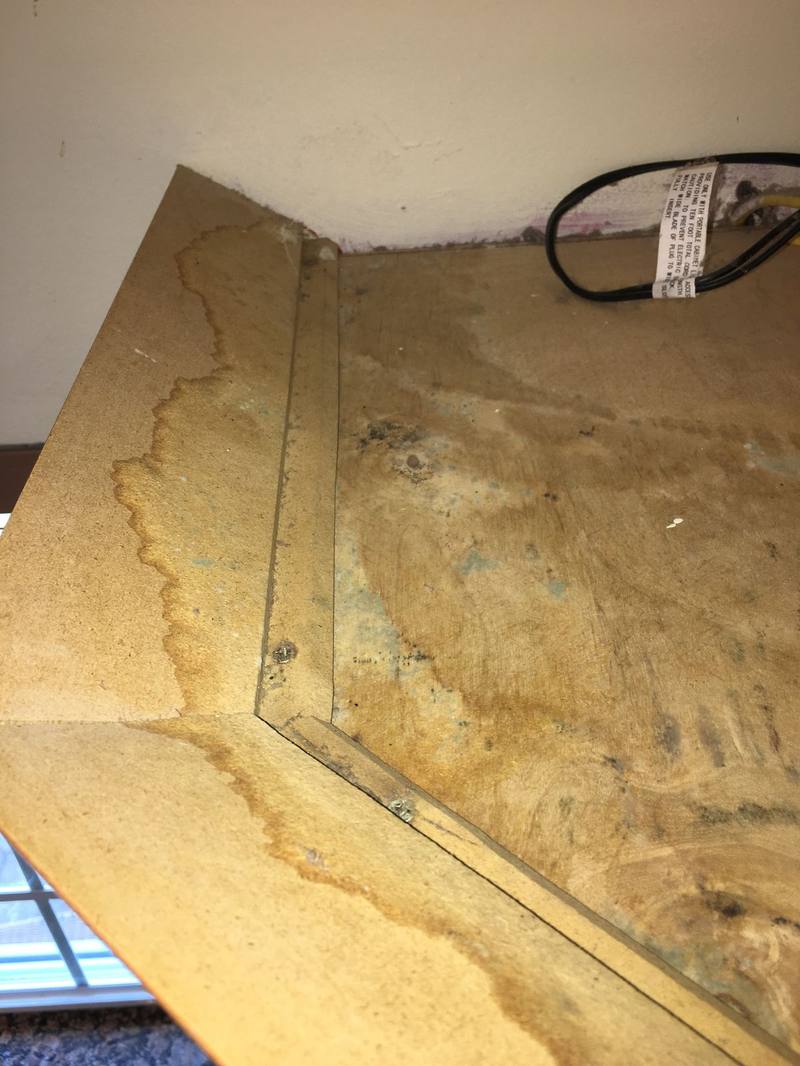
- drywall swells
- baseboards expand
- insulation holds moisture
- tile cracks
- shingles crease
- stucco traps water
- flashing pulls back
- wood framing darkens
Homeland documents these behaviors to confirm sudden damage.
8.7.4 Step 4 — Structural Integration Analysis
Damage must align with the building’s structure:
- roof damage must match attic patterns
- water leaks must follow gravity
- plumbing failure patterns must match pipe routes
- mold must match moisture paths
- attic moisture must match ventilation and insulation profiles
This holistic approach defeats incomplete carrier conclusions.
8.7.5 Step 5 — Evidence Sequencing
Homeland organizes evidence in the order carriers evaluate it:
- initial photos
- close-up source documentation
- moisture readings
- structural photos
- mitigation logs
- weather data
- causation narrative
- scope of loss
This sequencing maximizes clarity and impact.
8.7.6 Step 6 — Presentation in Carrier-Ready Format
Carriers respond to structured evidence, not scattered files.
Homeland prepares:
- photo sets
- video files
- chronological narratives
- comparative estimates
- causation summaries
- moisture reports
- scope breakdowns
The entire file becomes a carrier-proof package that withstands scrutiny.
8.8 Regional Vulnerabilities in High-Risk Claims
High-risk claims vary not only by category, but by geography. Florida and New Jersey each have unique regional vulnerabilities that carriers study and often weaponize.
Homeland understands these regional weaknesses—and knows how to prove when the vulnerability stems from a sudden covered event.
8.8.1 Southeast Florida Vulnerabilities (Miami-Dade & Broward)
These regions face:
- aging roofs
- multi-story homes
- high humidity
- storms year-round
- AC moisture imbalance
- tight building envelopes
- condo building water migration
- flat roof drainage issues
- afternoon thunderstorms
Cities most impacted:
- Miami
- Miami Lakes
- Hialeah
- Doral
- Pembroke Pines
- Hollywood
- Fort Lauderdale
Carriers often deny claims by blaming:
- maintenance
- prior repairs
- installation defects
- humidity-related mold
- wear-and-tear on roofs
Homeland uses expert-level documentation to defeat these arguments.
8.8.2 Southwest Florida Vulnerabilities (Naples, Fort Myers, Cape Coral)
SW Florida is heavily impacted by:
- hurricane paths
- storm surge
- rapid roof deterioration
- coastal salt exposure
- tile roof fragility
- older stucco construction
- multi-directional storm winds
- widespread contractor shortages after storms
Cities include:
- Naples
- Fort Myers
- Cape Coral
- Bonita Springs
- Estero
- Lehigh Acres
Carriers often argue:
- old tile roofs
- installation defects
- pre-existing cracking
- long-term stucco moisture intrusion
Homeland documents:
- wind uplift
- tile displacement patterns
- underlayment tears
- storm-created openings
- deck penetration
- moisture migration
This proves storm damage—not deterioration.
8.8.3 New Jersey Vulnerabilities
New Jersey claims are shaped by:
- nor’easters
- attic condensation
- freeze-thaw cycles
- basement moisture
- snow load
- wind-driven rain
- older housing stock
Cities most affected:
- Hoboken
- Jersey City
- Newark
- Toms River
- Bergen County communities
Carriers misclassify these claims as:
- maintenance issues
- wear and tear
- ventilation issues
- seasonal deterioration
Homeland proves storm or freeze causation through structural and weather-based evidence.
8.9 The Biggest Mistakes Policyholders Make in High-Risk Claims
Most claim failures are not due to lack of damage — they occur because policyholders unknowingly make mistakes during or after the loss.
These mistakes are predictable, preventable, and fixable when Homeland is involved early.
8.9.1 Cleaning Before Documenting
This destroys evidence.
8.9.2 Delaying Mitigation
Leads to mold, swelling, and denial arguments.
8.9.3 Providing Inconsistent Statements
Recorded statements create permanent contradictions carriers use against policyholders.
8.9.4 Discarding Damaged Materials
Without evidence, carriers argue:
- deterioration
- pre-existing damage
- maintenance issues
8.9.5 Letting the Adjuster Lead the Inspection
Adjusters often:
- skip rooms
- avoid attics
- ignore underlayment
- gloss over moisture pockets
Homeland ensures a complete inspection.
8.9.6 Accepting “Spot Repairs”
Spot repairs often violate:
- code
- manufacturer guidelines
- structural integrity
Homeland demands full-scope restoration when required.
8.10 Conclusion — Why High-Risk Claims Require Homeland Public Adjusters
High-risk categories — water, roof, mold, storm, and seasonal losses — require the highest level of precision in the insurance world. These claims succeed or fail based on:
- evidence
- timeline
- structure
- weather data
- material behavior
- mitigation sequencing
- inspection accuracy
- causation logic
Policyholders cannot be expected to navigate these complexities alone.
Homeland Public Adjusters provides:
- forensic-level documentation
- precise causation analysis
- mastery of Florida & New Jersey claim behavior
- storm and seasonal expertise
- timeline control
- mitigation oversight
- carrier-ready presentation
- dispute capability
Adjuster Advantage™ strengthens this by preparing policyholders before a loss:
- Policy Scan™
- Safety Vault™
- 90DAY XPlus™
- National membership
- Homeowner education
Together, Homeland and Adjuster Advantage™ form the strongest defense system in the property-claim industry, protecting policyholders in Miami, Naples, Fort Myers, Hoboken, Toms River, and across the entire U.S.
High-risk claims require high-level representation.
Homeland delivers it — precisely, consistently, and with proven results.