Homeland Public Adjusters Encyclopedia™
Don’t Want To Scroll? Search Our Encyclopedia Database Here
CHAPTER 1 — The Role & Purpose of Public Adjusters
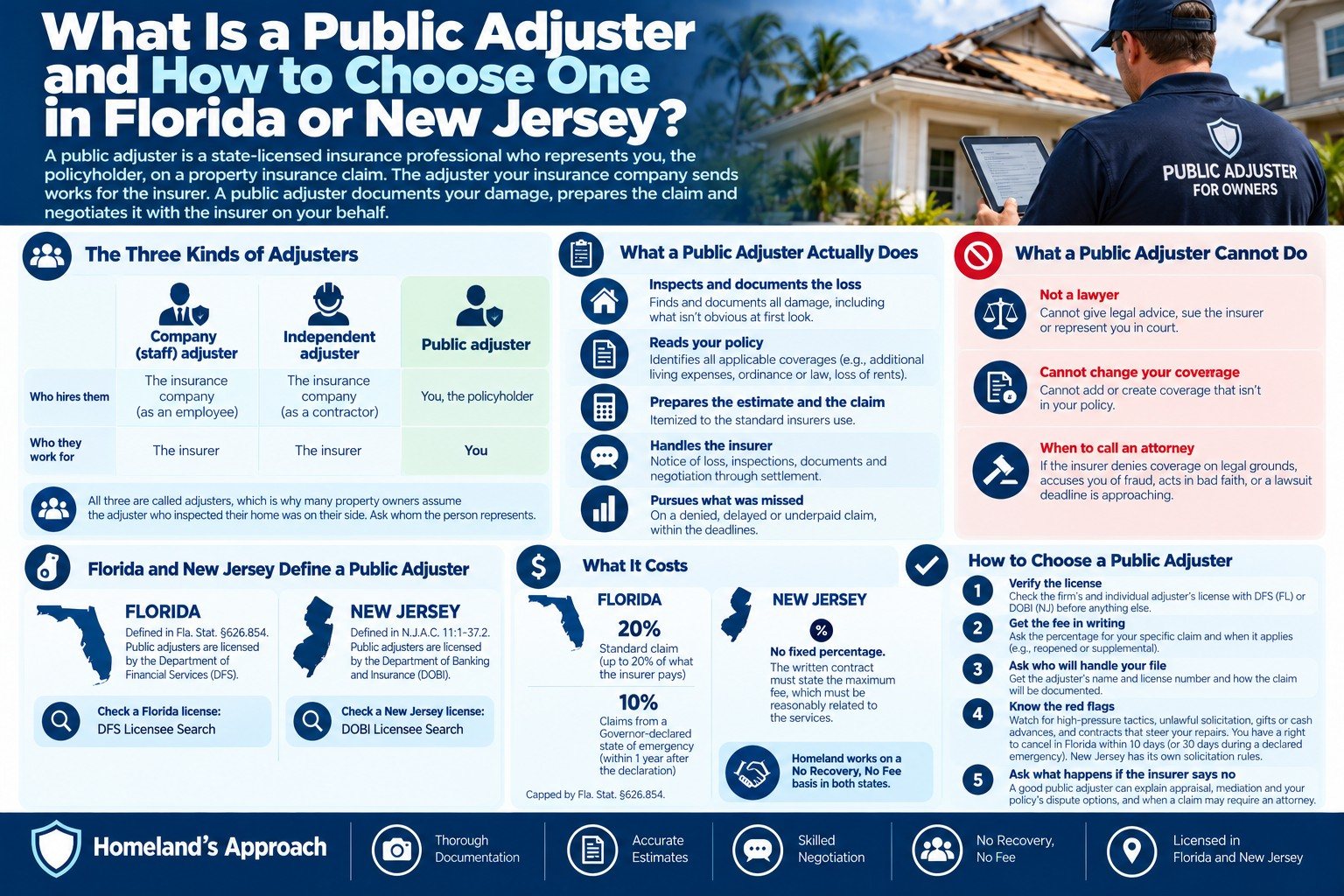
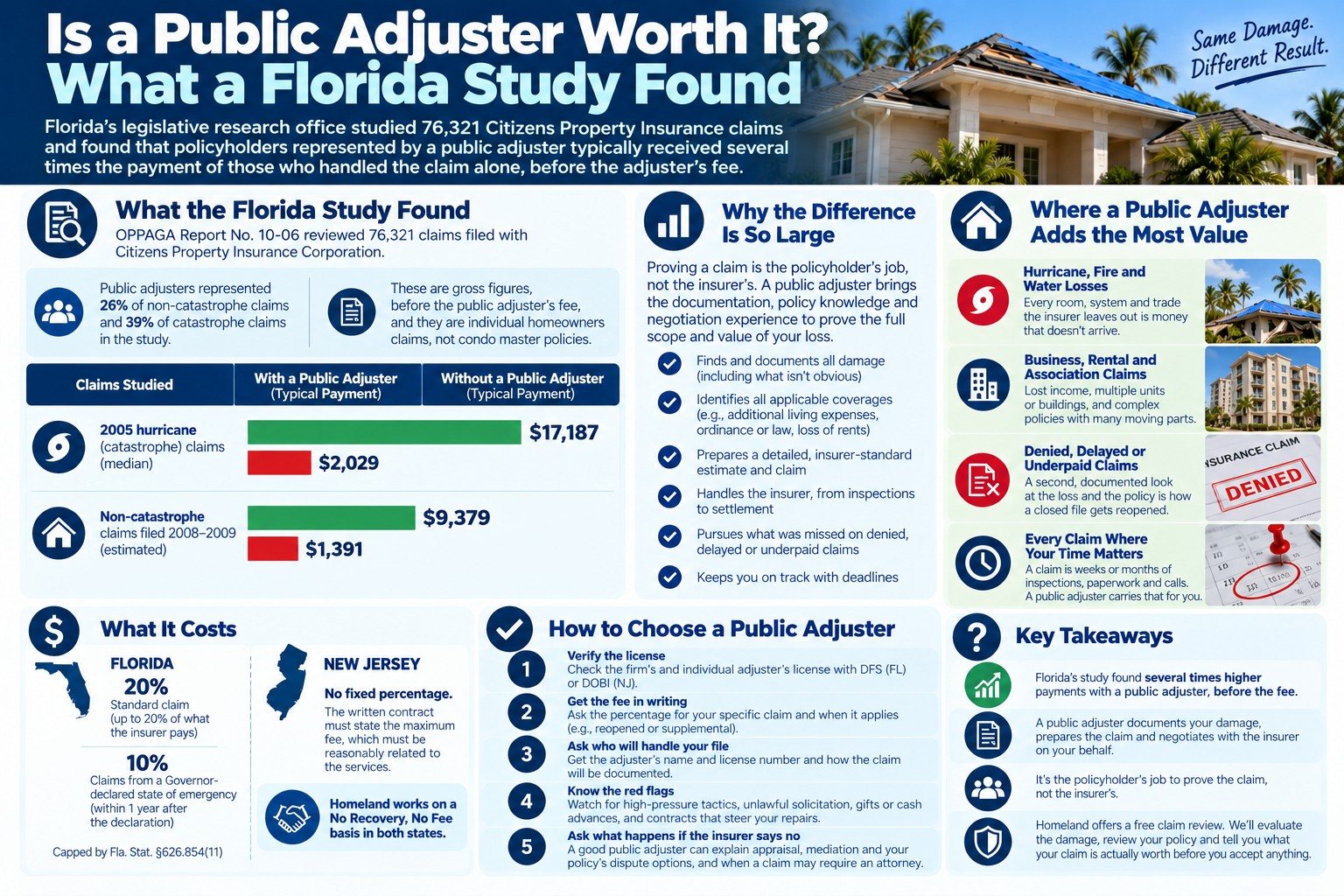
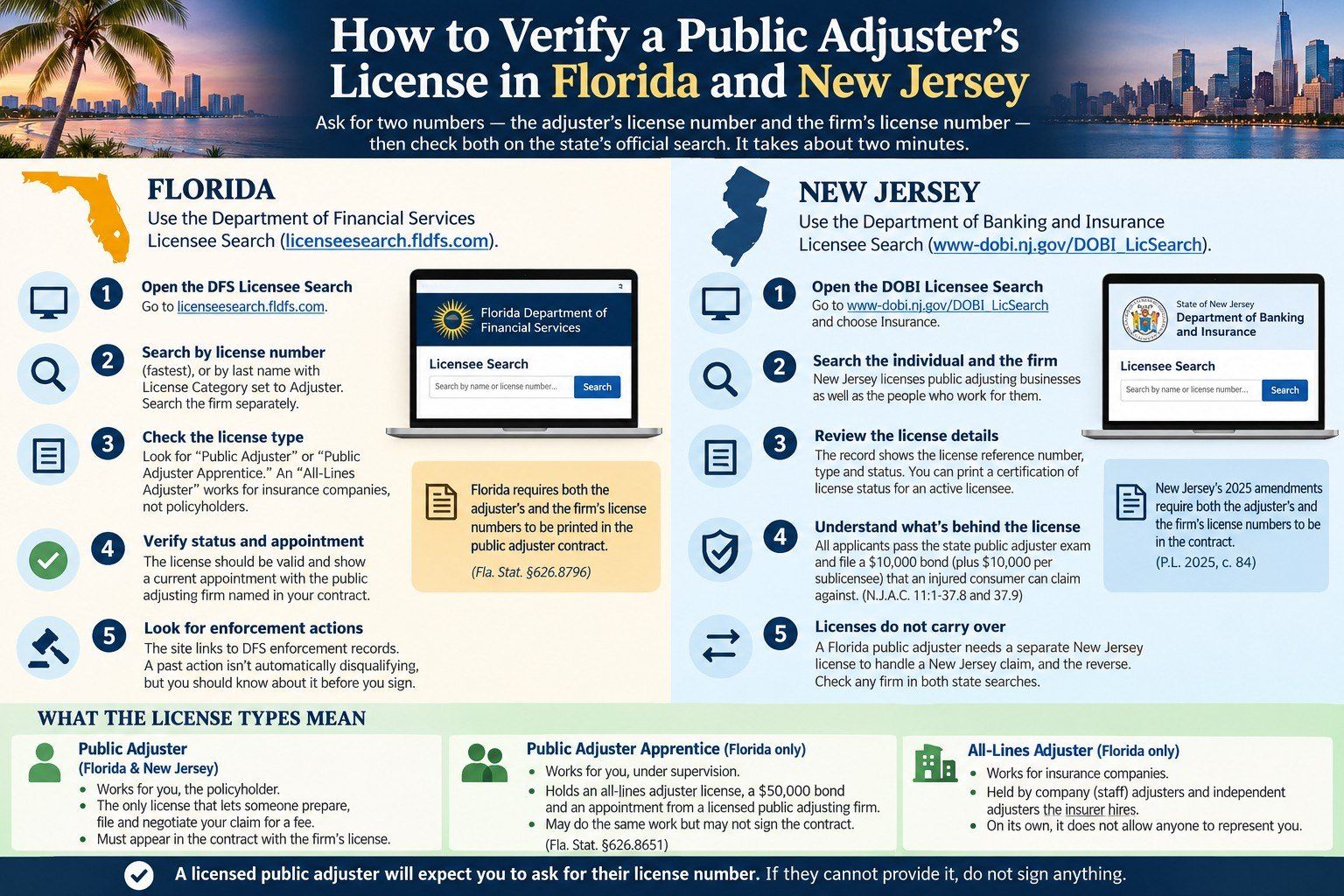
This chapter establishes the foundational role public adjusters play in balancing a deeply uneven system. It explains how insurance companies operate with teams of adjusters, engineers, consultants, and attorneys, while policyholders face complex claims alone. Homeland Public Adjusters serves as the insured’s advocate—interpreting policy language, documenting losses, and negotiating fair settlements. By explaining the responsibilities and scope of public adjusters, the chapter positions Homeland as a critical consumer-protection resource. It also outlines the regulatory framework surrounding public adjusting and sets the stage for all subsequent chapters on documentation, evidence, interpretation, and negotiation.
CHAPTER 2 — Understanding the Insurance System
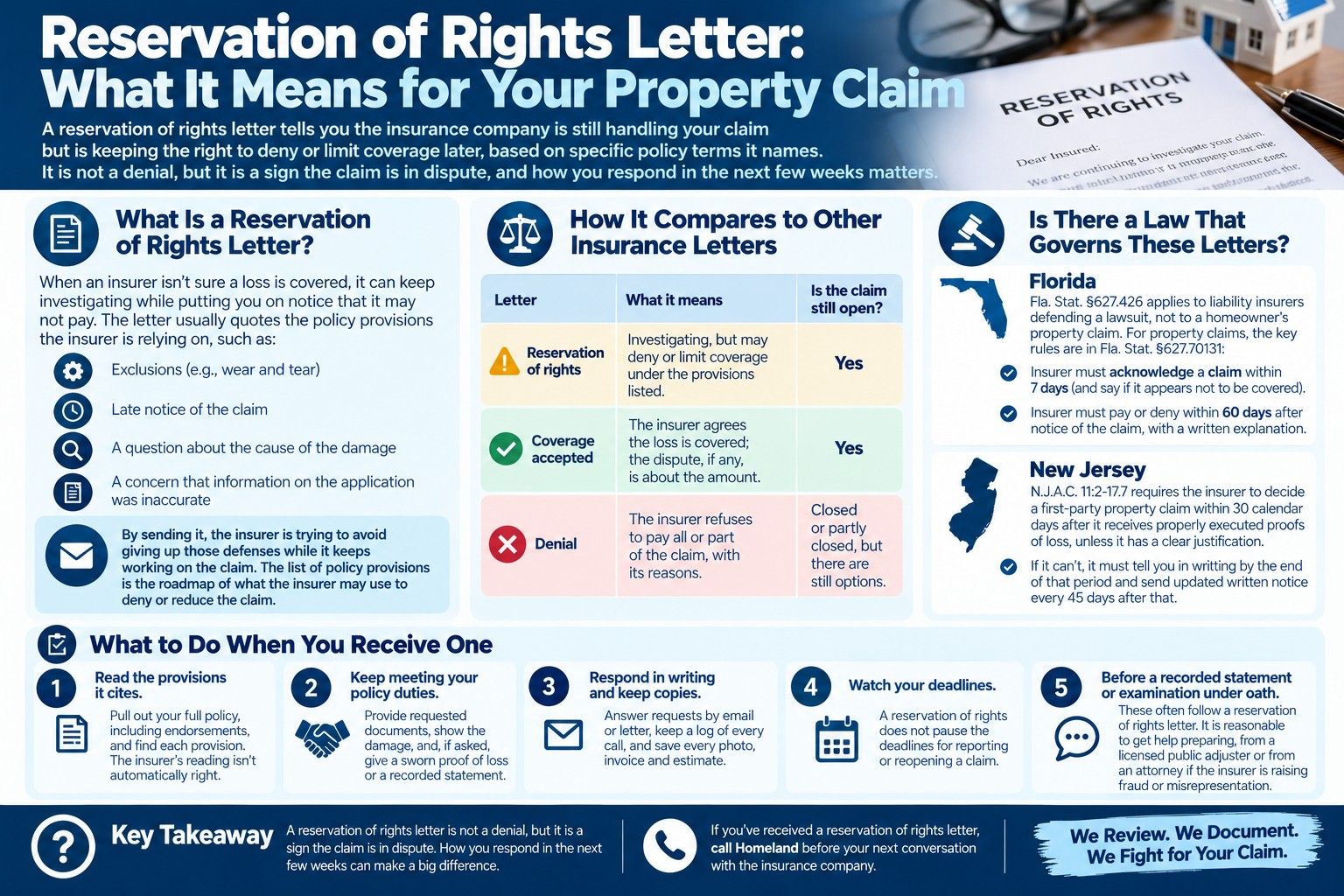
This chapter breaks down how property insurance actually works beneath the surface—policies, clauses, conditions, exclusions, burdens, and structural design. It reveals how carriers rely on technical definitions, internal guidelines, and strict procedures, and how this complexity disadvantages unrepresented homeowners. The chapter defines key legal mechanisms, explains policy construction, and outlines the hierarchy of insurance decision-making. Homeland helps policyholders navigate this system by interpreting contract language, fulfilling duties after loss, identifying coverage triggers, and avoiding pitfalls. This chapter builds the conceptual foundation needed to understand why documentation, evidence, causation, and negotiation matter so profoundly in claim outcomes.
CHAPTER 3 — Types of Property Claims: Coverage, Pitfalls & Risk Categories
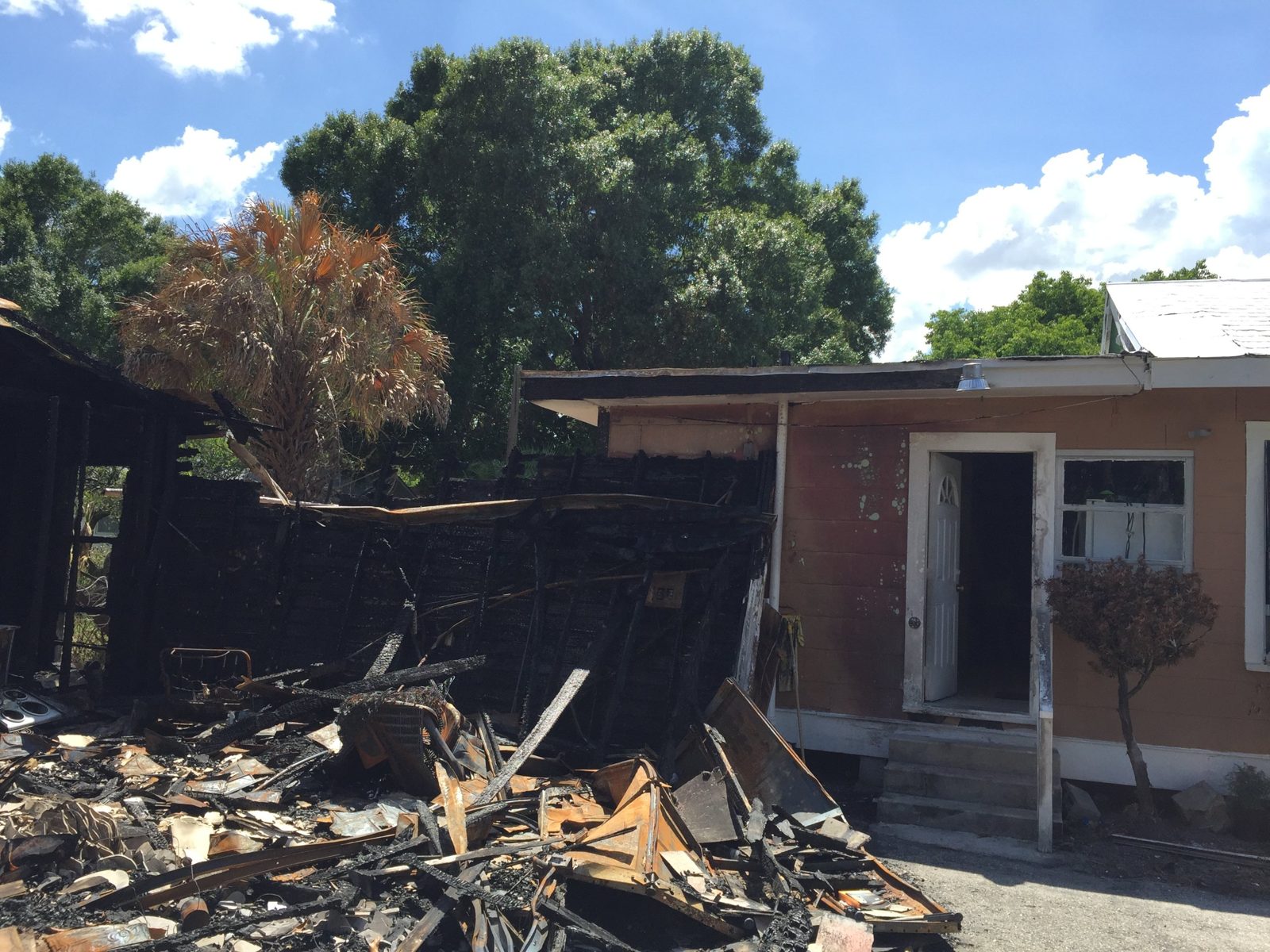
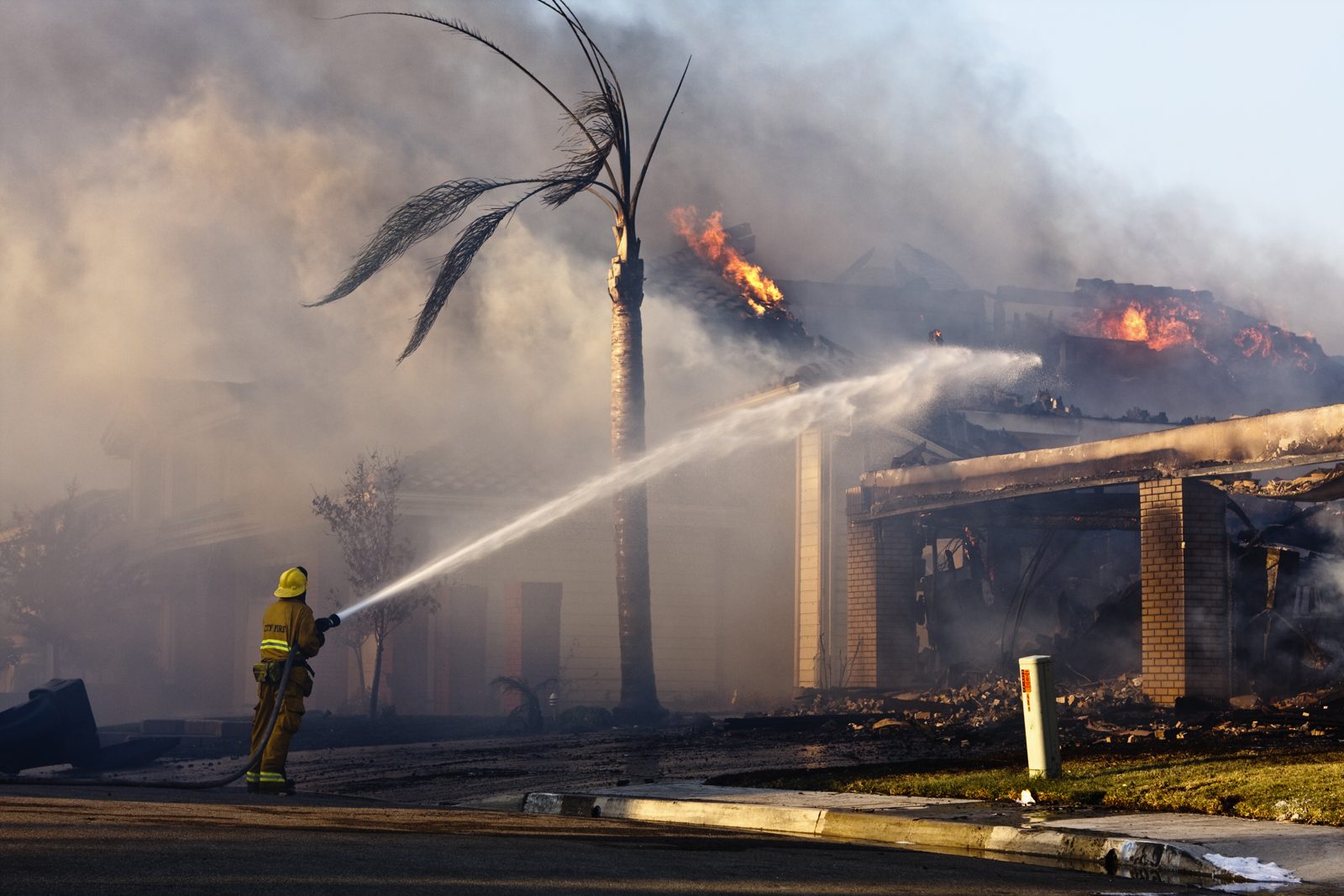
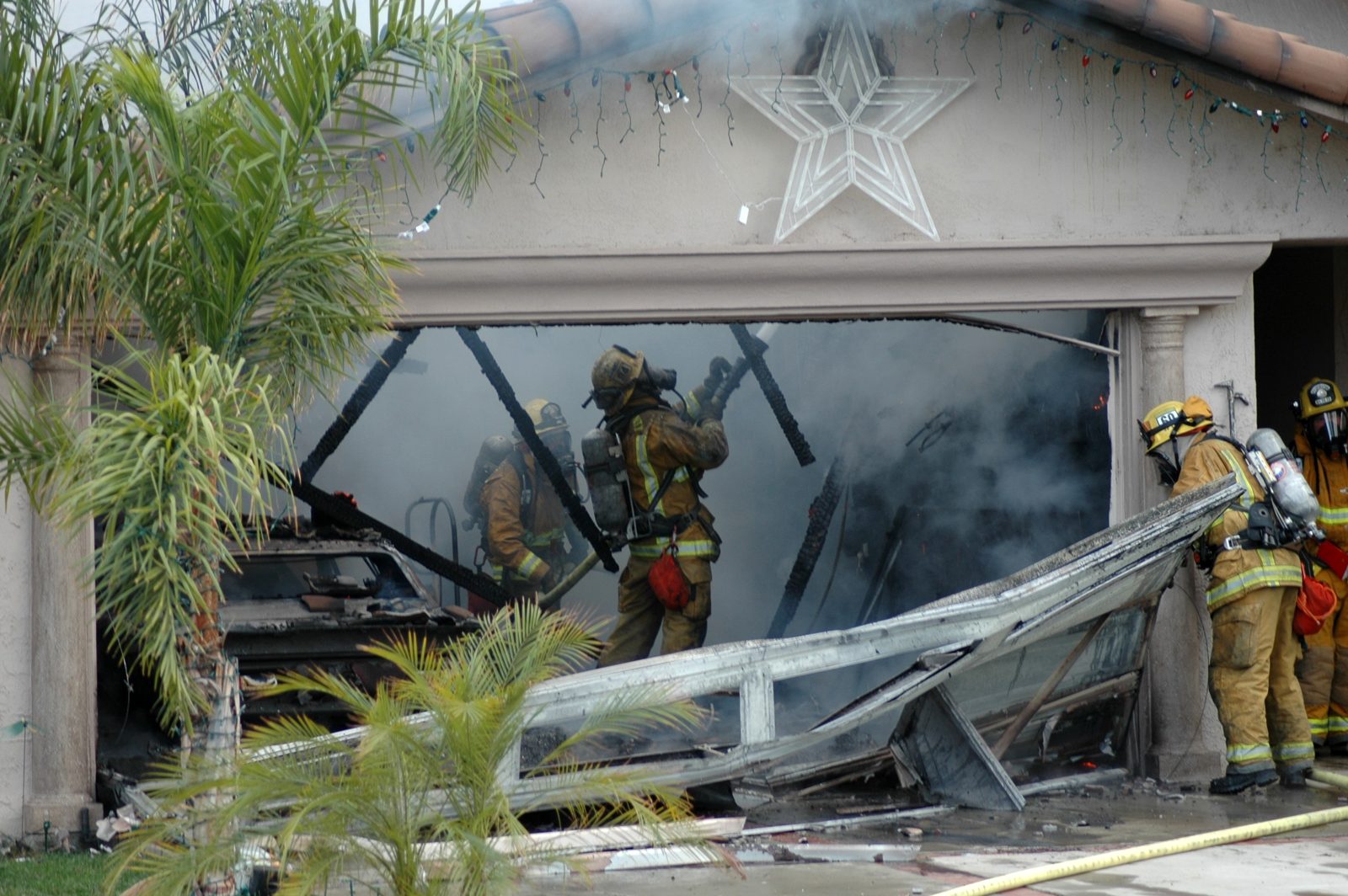
This chapter details every major category of property damage—water, fire, roof, hurricane, mold, theft, commercial, and more—showing how each claim type carries its own risks and documentation requirements. It explains why certain losses are routinely disputed, how carriers classify damages, and what technical factors shape coverage. Through real-world case models, the chapter illustrates how claims succeed or fail based on evidence, timing, interpretation, and compliance. Homeland’s expertise ensures policyholders avoid common mistakes, properly classify the cause of loss, and present their claims in a manner that withstands scrutiny and maximizes approval likelihood.
CHAPTER 4 — Documentation, Evidence, Mitigation & Proof: How Claims Are Won
This chapter establishes the single most important truth in insurance claims: the policyholder must prove the loss. It explains how documentation, photographs, videos, moisture readings, mitigation logs, and cause-of-loss evidence determine outcomes more than coverage language itself. Homeland’s evidence framework, photo protocols, moisture-mapping methodology, and preservation rules create undeniable clarity. The chapter outlines standards for every claim type—water, roof, fire, mold, theft, and commercial—and provides a blueprint for building a complete evidence package. Homeland’s philosophy—“If it isn’t documented, it doesn’t exist”—defines the technical backbone of successful claim preparation.
CHAPTER 5 — Claim Negotiation, Disputes & Settlement Strategy: How Homeland Fights for the Insured
This chapter describes the strategic world of insurance negotiation, where initial settlements are often incomplete or unfair, and disputes must be navigated with evidence, precision, and persistence. Homeland’s negotiation framework addresses underpayments, denials, lowball offers, re-inspections, scope disputes, and supplemental claims. The chapter explains how carriers evaluate files internally—and how Homeland counters with structured documentation, technical arguments, and policy interpretation. It details strategies for dealing with consultants, engineers, desk adjusters, and managers. The goal is to transform incomplete offers into appropriate settlements while maintaining professionalism, accuracy, and adherence to regulatory rules.
CHAPTER 6 — Why Homeland Public Adjusters and Adjuster Advantage™ Exist: Protecting Policyholders in Florida, New Jersey, and Across the United States
Florida and New Jersey have some of the country’s most challenging insurance environments, where policy language, carrier practices, and complex weather patterns place policyholders at a significant disadvantage. Homeland Public Adjusters was created to provide licensed, evidence-driven representation for these regions, ensuring homeowners, landlords, and business owners receive the clarity and advocacy needed to navigate difficult claims. At the same time, Adjuster Advantage™ was built to address a nationwide problem: property owners in all 50 states, Washington DC, and Puerto Rico often lack the information, preparation tools, and policy awareness needed to protect themselves before a loss. This chapter explains how Adjuster Advantage™ fills that gap by offering education, policy analysis tools, secure document storage, renewal reminders, and preparedness resources such as Policy Scan™, Safety Vault™, and 90DAY XPlus™. Together, these systems form a unified mission to elevate insurance literacy and strengthen policyholder protection—whether someone lives in Florida, New Jersey, California, Texas, New York, or anywhere else in the United
CHAPTER 7 — Claim Timelines, Deadlines and Carrier Requirements in Florida and New Jersey
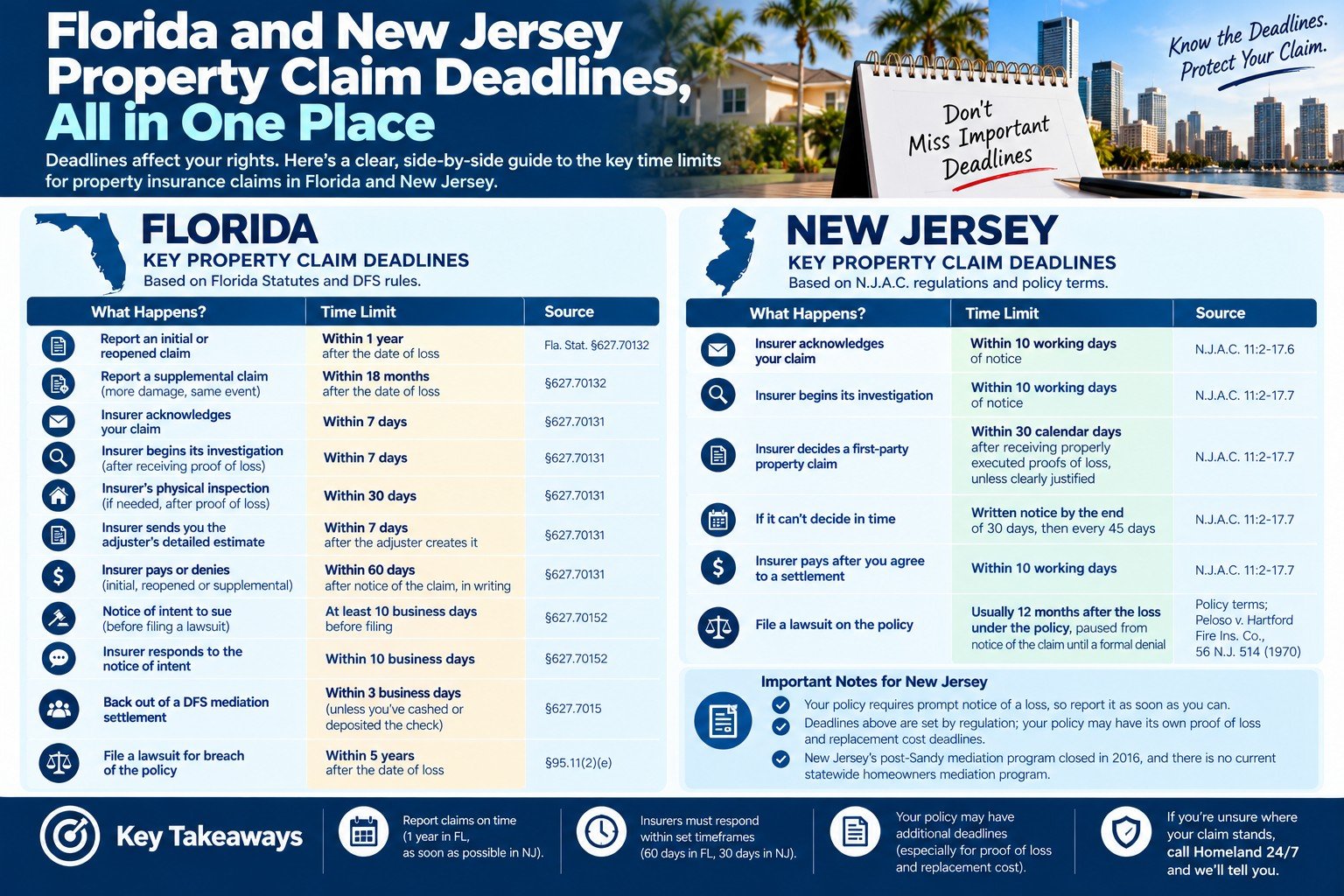
Insurance claim outcomes are heavily shaped by timing, deadlines, and procedural requirements, especially in states like Florida and New Jersey where property risks, weather patterns, and regulatory expectations differ significantly. This chapter outlines essential timelines policyholders must follow in communities such as Miami, Orlando, Tampa, Newark, and Jersey City, explaining what must happen immediately after a loss and what documentation is required throughout the process. It highlights how delays, incomplete mitigation, missed communication milestones, or improper notice can jeopardize coverage. Homeland Public Adjusters guides homeowners step-by-step to ensure full compliance with statutory and policy-based deadlines, preventing avoidable denials and protecting claim integrity from the first day through final settlement.
CHAPTER 8 — High-Risk Claim Categories: Water, Roof, Mold, Storm and Seasonal Losses
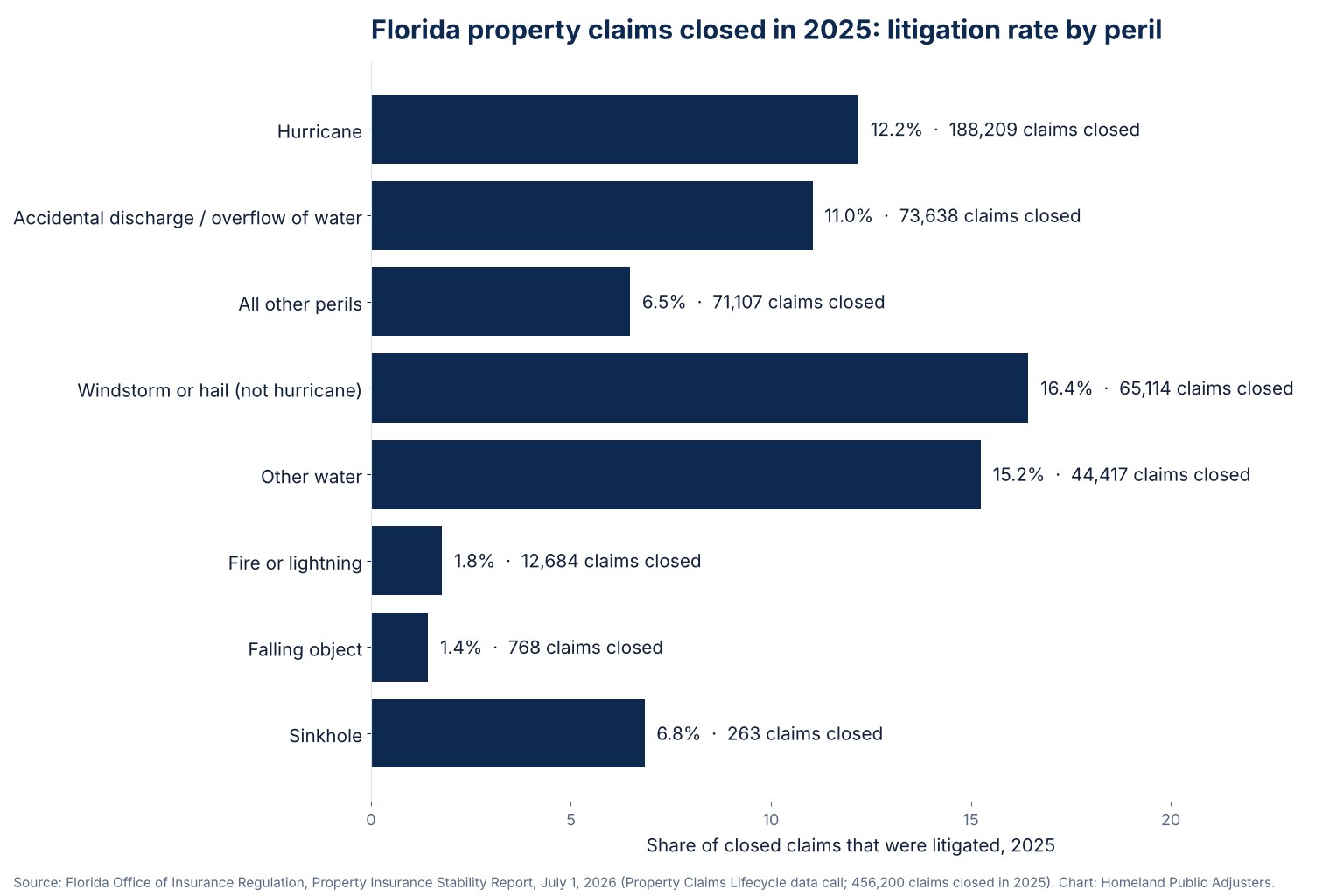
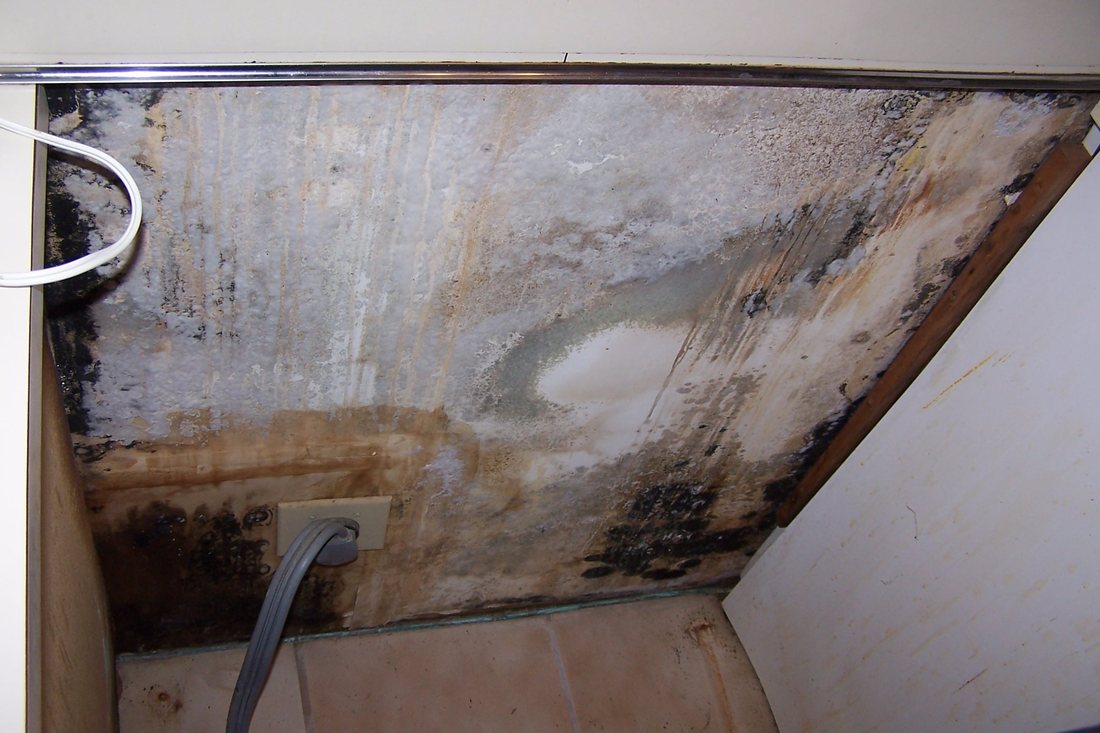
Property owners in regions like Fort Myers, Naples, Hoboken, and Toms River often face high-risk claim categories that insurers scrutinize more aggressively, including water damage, roof failures, mold growth, and storm-related destruction. This chapter explains why these claims generate heightened investigation, how carriers differentiate between sudden events and long-term conditions, and why specific documentation is essential to avoid misclassification. It also covers regional challenges such as coastal storm exposure, freeze-and-thaw cycles, aging building materials, and structural vulnerabilities common across Florida and New Jersey. Homeland Public Adjusters uses a systematic approach to identify key indicators, gather evidence, and build clarity around cause-of-loss to ensure policyholders are protected during high-risk claim scenarios.
CHAPTER 9 — Inspection, Evidence and Adjuster Interaction Protocols
The inspection stage is where carriers form their first—and often strongest—interpretation of a claim. This chapter outlines how homeowners in communities like Miami Lakes, Hialeah, and Clifton should prepare for inspections to ensure accuracy and prevent misinterpretation. It explains the importance of presenting a clean, undisturbed scene, preserving all materials, documenting pre-loss conditions, and avoiding statements that can be misunderstood. Homeland Public Adjusters manages inspections with a precise protocol designed to ensure that adjusters receive accurate information, evidence is not overlooked, and the full scope of damage is recognized. By controlling the inspection environment, Homeland protects policyholders from misclassification, minimization, and unnecessary disputes.
CHAPTER 10 — Mitigation, Emergency Services and Post-Loss Best Practices
Immediately after a loss, the steps a homeowner takes can determine whether the claim succeeds or encounters obstacles. This chapter provides a practical guide for families in Weston, Melbourne, Trenton, Camden, and similar communities across Florida and New Jersey. It explains when professional mitigation is required, what evidence must be collected before cleanup begins, how to prevent mold escalation, and how to avoid excessive tear-out that eliminates proof of damage. The section highlights the importance of logs, invoices, moisture readings, and proper vendor selection. Homeland Public Adjusters offers a structured post-loss roadmap to ensure every action supports coverage, reduces risk, and strengthens the entire claim file.
CHAPTER 11 — The Homeland Claims Methodology™
This chapter explains Homeland’s structured, evidence-driven approach for guiding a claim from first notice of loss through final settlement. It introduces the methodical sequence that ensures accuracy: inspection, documentation, causation analysis, scope development, compliance review, and strategic carrier communication. The Homeland Claims Methodology™ is designed to eliminate guesswork, reduce disputes, and present claims in a format aligned with how insurers evaluate losses. By blending technical standards, procedural discipline, and clear communication protocols, this framework helps homeowners, landlords, and business owners navigate complex claims with confidence. The result is a predictable, repeatable process that supports full policy compliance and positions the insured for the strongest possible outcome.
CHAPTER 12 — Understanding Insurance Carrier Behavior, Practices & Claims Protocols
This chapter explores how insurance companies operate internally, how adjusters are trained to evaluate claims, and how carriers interpret policy language during the review process. It explains the factors that influence settlement decisions, including internal authority levels, documentation thresholds, engineering referrals, and quality-control audits. Readers learn how carriers classify losses, escalate files, and determine whether to pay, delay, or dispute a claim. By understanding these protocols, policyholders gain perspective on why insurers request certain documents, question timelines, or challenge causation. Homeland uses this knowledge to anticipate carrier strategies, avoid procedural traps, and present claims in a manner aligned with the insurer’s decision-making structure.
CHAPTER 13 — Building Code Compliance, Ordinance or Law Coverage, and the Role of Adjusters in Ensuring Code-Correct Restorations
This chapter explains why building code compliance is essential in insurance claims and how Ordinance or Law coverage affects repairs. It discusses common code upgrades required after fire, water, storm, or structural damage, including electrical, plumbing, roofing, and life-safety requirements. Many losses require “betterment” not because improvements are optional but because current codes mandate specific reconstruction standards. The chapter outlines how Homeland verifies code applicability, documents deficiencies, and integrates mandatory upgrades into the scope of loss. It also explains how adjusters advocate for code-correct restoration, ensuring homeowners receive repairs that meet legal standards rather than minimal insurer interpretations.
CHAPTER 14 — The Science of Property Damage: Causation, Material Behavior, Failure Mechanisms, and the Technical Foundations of Insurance Claims
This chapter provides the scientific foundation for understanding how property damage occurs and why proper causation analysis determines coverage. It explains material behavior under stress, including moisture absorption, thermal expansion, wind uplift, structural fatigue, and fire-related deterioration. The chapter details mechanical failures, impact forces, roof system dynamics, and common failure signatures. Homeland uses these technical principles to differentiate sudden losses from long-term conditions, establish covered causes of loss, and counter misclassification by carriers or engineers. By grounding claims in physical science and documented behavior, Homeland strengthens evidence packages and supports clear, defensible conclusions about how damage occurred.
CHAPTER 15 — Engineering Reports, Technical Disputes, and the Evaluation of Expert Findings in Property Insurance Claims
This chapter explains how engineering reports influence claim outcomes and how to evaluate the accuracy, limitations, and assumptions within those reports. It outlines common issues found in carrier-commissioned engineering evaluations, including incomplete inspections, misapplied standards, and conclusions unsupported by observable evidence. Homeland reviews technical findings, identifies inconsistencies, and prepares counter-documentation when engineers mischaracterize damage. The chapter also describes how to interpret structural assessments, roof analyses, moisture mapping interpretations, and causation statements. By understanding engineering methodology and potential biases, policyholders gain insight into how technical disputes arise and how Homeland effectively addresses them during negotiation or dispute resolution.
CHAPTER 16 — Mediation, Appraisal, Litigation & Dispute Resolution: How Homeland Navigates Every Path to Protect Policyholders
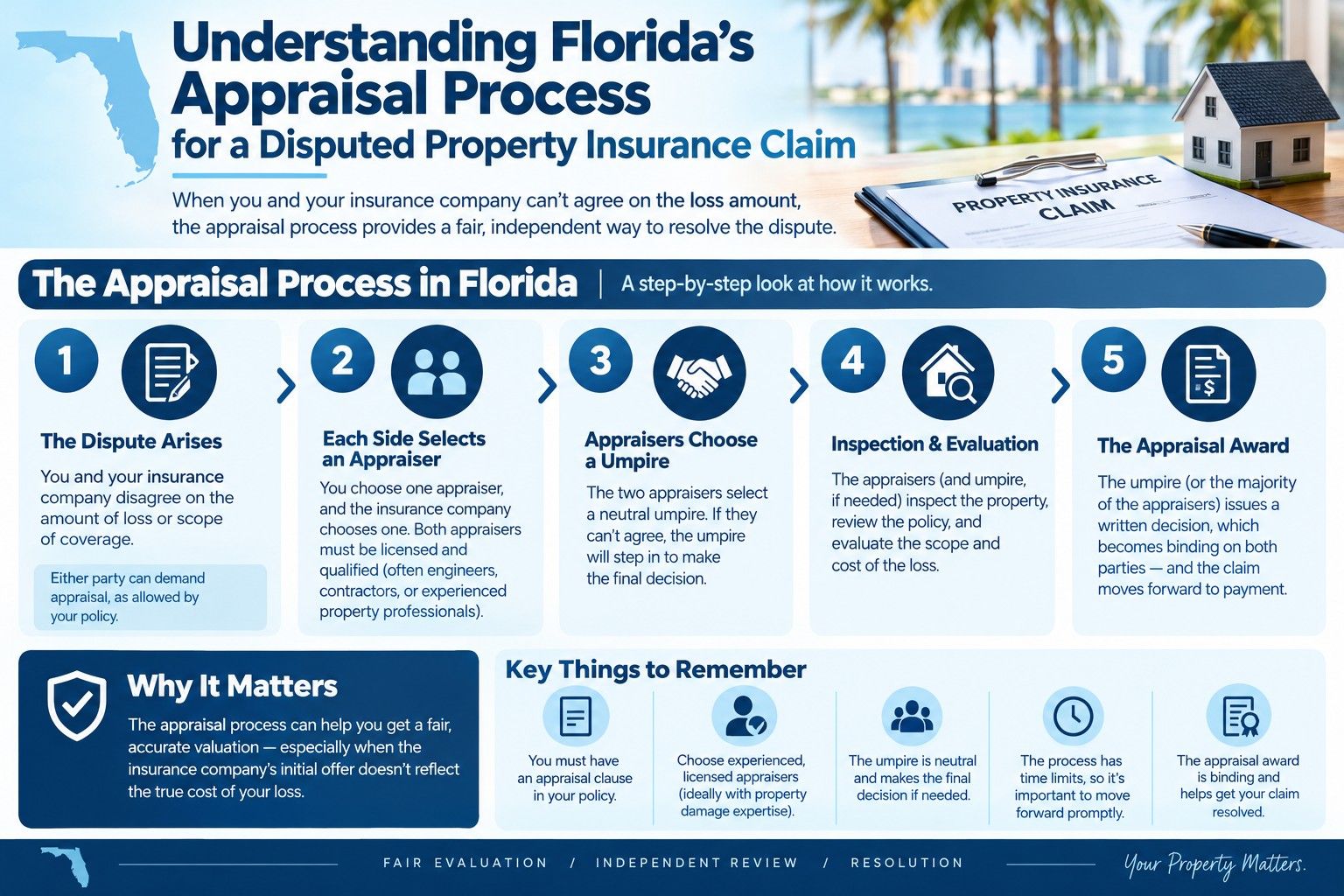
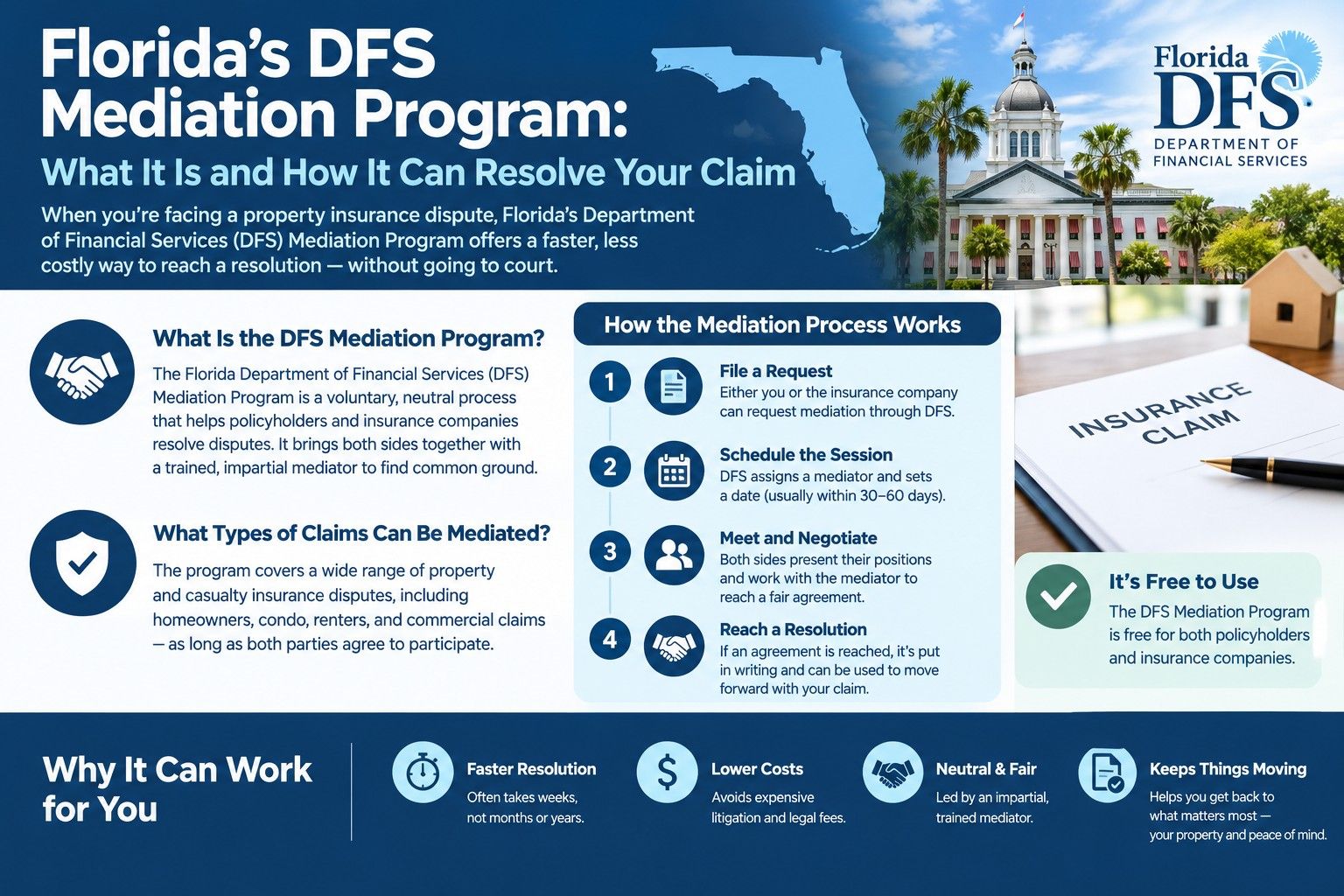
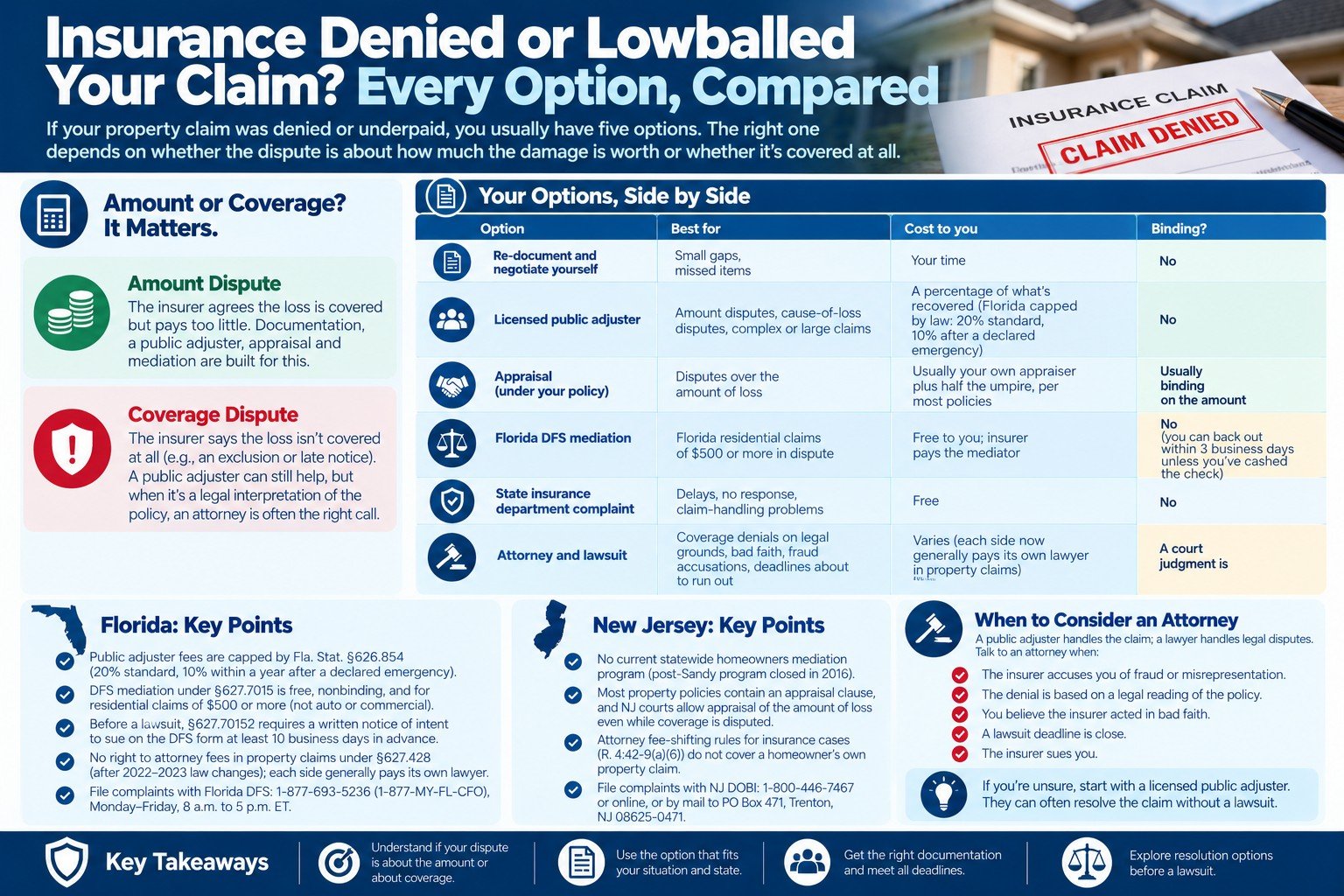
This chapter outlines the dispute-resolution pathways available when carriers and policyholders disagree on coverage, scope, or valuation. It explains mediation, appraisal, litigation, and pre-suit negotiation, along with the standards, timelines, and documentation required for each option. Homeland’s approach emphasizes preparedness: building strong evidence files that support scope accuracy, causation clarity, and valuation integrity. The chapter explains when appraisal is appropriate, when mediation may resolve disputes efficiently, and when legal escalation becomes necessary. Readers learn how Homeland collaborates with attorneys, specialists, and consultants to protect policyholder rights at every stage, ensuring claims remain strategically positioned for fair outcomes.
CHAPTER 17 — Building the Perfect Scope of Loss: Homeland’s Method, Standards & Accuracy Framework
This chapter details Homeland’s framework for creating precise, code-compliant scopes of loss. It explains how measurements, material identification, labor sequencing, and damage mapping are combined into a unified reconstruction plan. The chapter outlines accuracy standards for interior, exterior, roofing, structural, and mechanical components. It also highlights how incomplete scopes lead to underpayments, mismatched repairs, or improper restorations. Homeland’s methodology ensures that every component of damage is captured, documented, and quantified using recognized industry standards. By controlling the accuracy of the scope, Homeland protects the insured from undervaluation and establishes a defensible baseline for negotiations and settlement.
CHAPTER 18 — Disaster Preparedness, Resilience, and Risk Reduction for Property Owners
This chapter focuses on preparing homeowners, landlords, and business owners for hurricanes, storms, fires, freezes, and other catastrophic events. It outlines practical steps for strengthening buildings, protecting critical systems, creating emergency documentation, and reducing loss severity. The chapter covers proactive maintenance strategies, roof-system reinforcement, drainage improvements, and electrical and mechanical safeguards. It also explains how pre-loss documentation, policy reviews, and preparedness planning improve recovery outcomes. Homeland uses this preparedness model to help property owners reduce risk, comply with insurance requirements, and establish the foundation for stronger claims if a loss occurs.
CHAPTER 19 — The Future of Public Adjusting: Technology, Transparency & the Next Generation of Policyholder Advocacy
This chapter analyzes the evolving landscape of public adjusting and how technology is reshaping claims, documentation, and communication. It explores emerging tools—digital inspections, remote moisture sensing, AI-supported documentation, automated claim tracking, and real-time evidence capture. The chapter discusses increasing consumer expectations for transparency, faster communication, and data-driven accuracy. Homeland’s forward-looking approach integrates modern tools to improve documentation quality, streamline processes, and enhance policyholder protection. By embracing innovation, the industry can increase trust, reduce disputes, and deliver stronger advocacy for property owners navigating an increasingly complex insurance environment.
CHAPTER 20 — Mortgage Companies, Lender Requirements & the Claims Disbursement Process
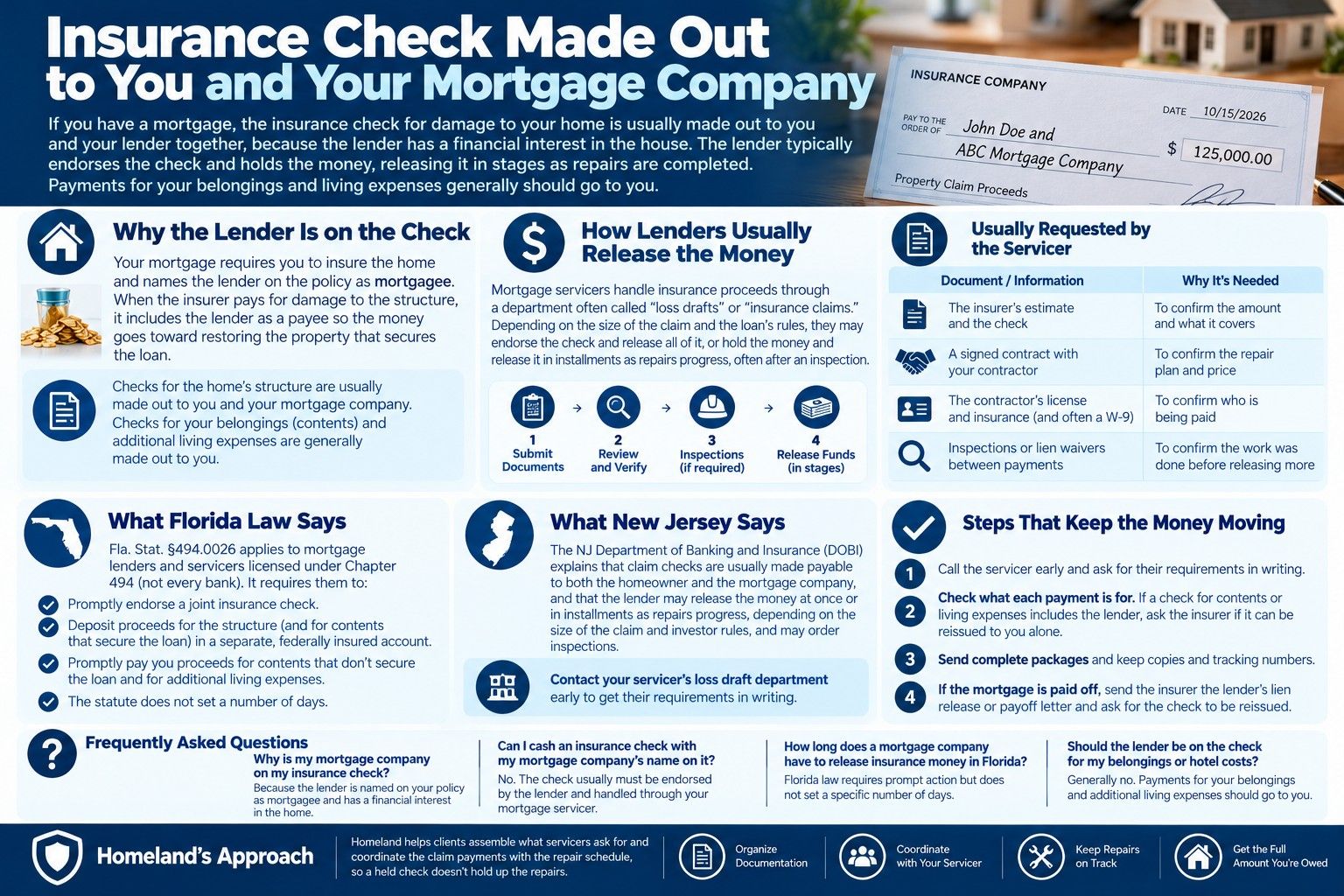
This chapter explains how mortgage companies handle insurance proceeds and why lender involvement affects claim timelines. It details common requirements such as inspections, contractor agreements, progress payments, endorsements, and escrow-release conditions. Many policyholders are unaware that lenders control the flow of repair funds, which can delay restoration if documentation is incomplete. Homeland helps property owners navigate these processes by coordinating with lenders, providing required documents, and ensuring scope alignment between insurers, contractors, and mortgage servicers. This chapter gives readers a clear understanding of the financial and administrative procedures that govern claim payouts and reconstruction funding.
CHAPTER 21 — Depreciation, RCV, ACV & Loss Settlement Provisions
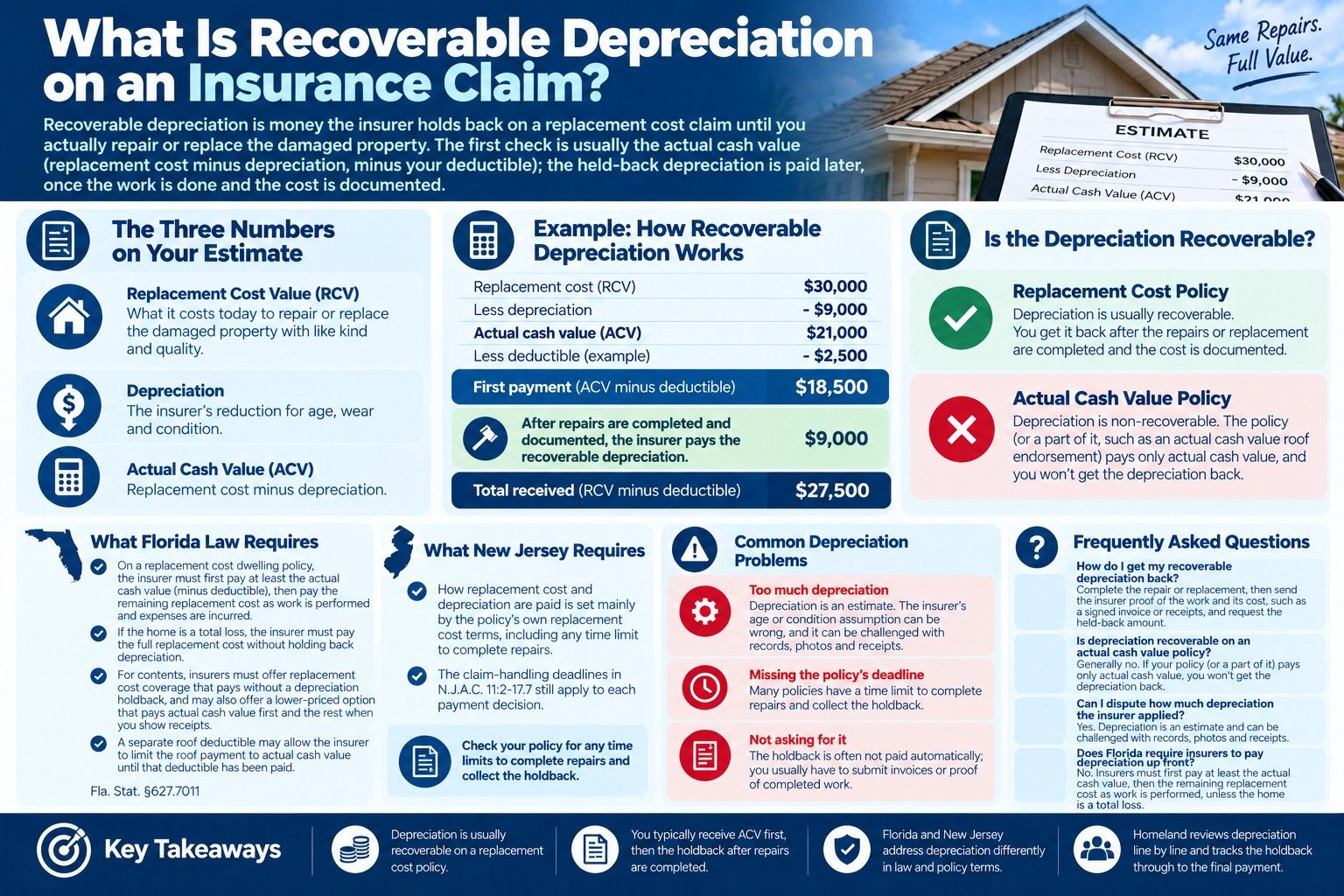
This chapter explains how insurance carriers calculate payments through Actual Cash Value (ACV), Replacement Cost Value (RCV), depreciation, recoverable depreciation, and policy-specific loss settlement terms. It clarifies how materials age, how carriers measure useful life, and how depreciation affects initial and final payments. The chapter also outlines the differences between Replacement Cost policies, Actual Cash Value policies, and hybrid settlement structures. Homeland teaches policyholders how to understand carrier calculations, identify improper depreciation, and secure full payment of recoverable depreciation when repairs are completed. By explaining how these provisions function, the chapter helps property owners anticipate payment structures and avoid common settlement misunderstandings.
CHAPTER 22 — The Homeland Method™: A Complete Framework for High-Accuracy Claims
This chapter introduces The Homeland Method™, a comprehensive framework designed to ensure that every claim is accurate, documented, and strategically positioned for success. It integrates inspection standards, causation analysis, photo and video requirements, moisture documentation, code compliance verification, and precise scope development. The Homeland Method™ ensures no detail is overlooked and no part of the claim remains unsupported. By following this structured approach, adjusters build claims that withstand carrier scrutiny and eliminate avoidable disputes. The chapter outlines how systematic organization, technical standards, and evidence sequencing create predictable, repeatable outcomes that benefit homeowners, landlords, and business owners.
CHAPTER 23 — The Homeland Inspection Standard™: Precision, Documentation, and Structural Accuracy
This chapter explains Homeland’s inspection standards for accurately capturing the full extent of property damage. It describes the required steps for exterior, interior, mechanical, and roofing evaluations, as well as the documentation protocols for each. The Homeland Inspection Standard™ emphasizes sequence, accuracy, and evidence capture, ensuring that every condition affecting coverage or valuation is properly recorded. The chapter highlights common areas homeowners overlook—attics, crawlspaces, roof systems, mechanical rooms, and concealed spaces—and explains how improper inspections weaken claims. Homeland’s structured method ensures accurate damage identification, supports code-compliant scopes, and gives policyholders confidence that no detail is missed.
CHAPTER 24 — Negotiation Strategy, Carrier Psychology, and the Homeland Settlement Framework
This chapter explains how Homeland approaches claim negotiation using accuracy, evidence, documentation, and carrier psychology. It examines how adjusters, supervisors, and carrier representatives evaluate files, prioritize settlements, and respond to evidence-based arguments. Homeland’s Settlement Framework focuses on presenting organized proof, addressing carrier concerns proactively, and supporting every position with verifiable documentation. The chapter outlines negotiation timing, leverage points, communication formatting, and strategies for keeping discussions professional and structured. By using a disciplined, evidence-first approach, Homeland increases settlement predictability and reduces disputes, ensuring policyholders receive accurate compensation based on the actual, documented scope of loss.
CHAPTER 25 — The Science of Documentation™: Building an Unbreakable Claim File
This chapter explores the technical principles behind strong claim documentation. It explains how photos, videos, moisture readings, cause-of-loss reports, construction data, and code requirements interact to form a cohesive evidence package. The Science of Documentation™ emphasizes accuracy, clarity, and completeness, ensuring each component supports the others. The chapter shows how structured documentation prevents misclassification, strengthens negotiations, and minimizes disputes. Homeland’s method organizes evidence so it aligns with how carriers review claims internally, improving both claim speed and settlement accuracy. By mastering this system, policyholders and adjusters create files that meet professional, engineering, and carrier standards.
CHAPTER 26 — The Homeland Documentation Standard™: Building Claims That Stand Unchallenged
This chapter defines Homeland’s internal documentation standard, which ensures every claim is supported by clear, organized, and verifiable evidence. It explains how adjusters assemble photo sets, moisture logs, structural observations, code citations, inspection notes, and scope data into a cohesive file. The Homeland Documentation Standard™ prevents weak points, inconsistencies, or missing components that carriers often use to dispute claims. The chapter also outlines formatting requirements, labeling conventions, and organizational structures that enhance clarity. By following this standard, Homeland creates claims that stand firm against carrier reviews, engineering challenges, and dispute-resolution processes.
CHAPTER 27 — The Homeland Carrier Communication Protocol™: Professionalism, Clarity, and Strategic Engagement
This chapter outlines Homeland’s guidelines for communicating with insurance carriers in a structured, professional, and strategic manner. It explains how to format emails, present documentation, request clarification, and maintain a consistent communication record. The Homeland Carrier Communication Protocol™ focuses on clarity, precision, and factual presentation, reducing opportunities for misinterpretation or delays. It also details how to escalate issues respectfully, maintain leverage through documentation, and keep written correspondence aligned with claim objectives. This protocol strengthens the policyholder’s credibility, supports negotiation strategy, and ensures all carrier interactions remain properly documented.
CHAPTER 28 — The Homeland Estimating Method™: Precision, Accuracy, and Reconstruction Integrity
This chapter details Homeland’s methodology for creating accurate, code-compliant estimates. It explains how measurements, material identification, construction sequencing, and code requirements are integrated into precise scopes of loss. The Homeland Estimating Method™ uses recognized standards and proven workflows to ensure repair costs reflect real-world construction conditions. The chapter highlights common carrier estimating deficiencies and shows how Homeland strengthens claims by correcting omissions, addressing under-scoped items, and validating pricing. By adhering to technical accuracy, Homeland ensures estimates support fair settlement outcomes and represent what is genuinely required to restore damaged property.
CHAPTER 29 — Homeland Structural Analysis™: Understanding Damage, Cause, and Reconstruction Integrity
This chapter explains Homeland’s structural analysis process for determining how and why building components fail. It discusses the behavior of materials, load paths, mechanical systems, roofing assemblies, and building envelopes under stress. Homeland Structural Analysis™ identifies whether damage was caused by wind, water, impact, fire, mechanical failure, or long-term deterioration—distinctions essential for coverage and valuation. The chapter also explains how structural findings translate into reconstruction requirements, code upgrades, and accurate scopes of work. By applying structural analysis, Homeland ensures repair plans reflect true building science and create strong, defensible claim outcomes.
CHAPTER 30 — The Homeland Public Adjusters Framework™: A New Model for the Future of Claims Advocacy
This chapter introduces a comprehensive framework that reflects Homeland’s vision for modern claims advocacy. It combines technical standards, digital tools, documentation protocols, communication systems, and accuracy-driven methodologies to create a unified approach. The framework outlines how public adjusting must evolve to meet increasing consumer expectations, regulatory demands, and technological advancements. It emphasizes repeatable processes, transparent documentation, and consistent communication standards as the foundation for better outcomes. By presenting a scalable, future-ready model, Homeland sets a new benchmark for how claims should be managed, documented, and advocated nationwide.
CHAPTER 31 — Catastrophe Claims Mastery™
This chapter explains Homeland’s comprehensive approach to managing catastrophe (CAT) claims arising from hurricanes, major storms, wildfires, floods, and large-scale community losses. CAT claims require speed, precision, and systematic organization, as conditions often involve widespread structural damage, displaced families, and overloaded carrier systems. Homeland’s Catastrophe Claims Mastery™ outlines how to document rapidly changing conditions, capture time-sensitive evidence, and counter common carrier defenses such as “wear and tear,” “flood vs. wind,” or “pre-existing damage.” The chapter also discusses logistics, resource coordination, and communication strategies that keep claims moving even when insurers face volume pressure. Homeland’s system ensures accuracy, protects timelines, and supports strong outcomes during the most challenging claim environments.
CHAPTER 32.0 — Homeland Claims Logistics & Case Management System™
This chapter provides an inside look at Homeland’s internal case-management infrastructure, detailing how claims are tracked, organized, and advanced through every stage of the process. The Homeland Claims Logistics & Case Management System™ uses structured workflows, documentation checkpoints, and communication protocols to ensure no item, deadline, or requirement is overlooked. It outlines how files move from intake to inspection, documentation, negotiation, and resolution, and how each step is monitored for accuracy. Homeland’s system ensures consistent quality, predictable performance, and complete transparency. By standardizing processes, the framework enhances speed, reduces errors, and supports a higher level of advocacy for every policyholder.
CHAPTER 33 — The Homeland Quality Standard™: Excellence, Precision & Ethical Mastery in Public Adjusting
This chapter defines the Homeland Quality Standard™, the organization’s internal benchmark for professionalism, accuracy, and ethical conduct. It explains the criteria adjusters must meet—from inspection thoroughness and documentation integrity to communication clarity and code compliance verification. The chapter outlines how Homeland trains its team to ensure technical proficiency, mastery of policy interpretation, and adherence to industry best practices. It also highlights quality-control measures that prevent weak documentation, miscommunication, or avoidable disputes. The Homeland Quality Standard™ ensures that every claim handled by the organization reflects consistent excellence and ethical advocacy, strengthening trust with policyholders and improving claim outcomes.
CHAPTER 34 — The Homeland Negotiation Framework™: Evidence-Driven Advocacy & Strategic Carrier Engagement
This chapter explains Homeland’s structured negotiation framework, built on documentation, causation accuracy, scope integrity, and professional communication. It outlines the sequence adjusters follow during settlement discussions, including evidence presentation, rebuttal preparation, escalation paths, and closing strategy. The Homeland Negotiation Framework™ emphasizes timing, sequencing, and strategic engagement, recognizing that carriers respond more favorably to clear, organized, and well-supported arguments. The chapter also discusses how to anticipate carrier behavior, address objections, and maintain leverage using a documented, fact-based approach. This framework ensures that policyholders benefit from a disciplined negotiation process grounded in accuracy and transparency.
CHAPTER 35 — The Homeland Professionalism Doctrine™: Conduct, Communication & Credibility in Public Adjusting
This chapter outlines the professional standards required for effective and ethical public adjusting. The Homeland Professionalism Doctrine™ defines expectations for communication, conduct, presentation, and integrity during every stage of a claim. It explains why credibility influences carrier perception, negotiation efficiency, and dispute outcomes. The chapter provides guidelines for written and verbal communication, collaboration with contractors and engineers, and maintaining objectivity in technical evaluations. By upholding a consistent professionalism doctrine, Homeland strengthens its advocacy, enhances trust with policyholders, and establishes a higher industry benchmark for ethical, responsible, and accurate public adjusting practices.
CHAPTER 36 — The Homeland Carrier Communication Protocol™: Precision, Transparency & Strategic Engagement
This chapter expands on Homeland’s specialized communication system designed for consistent, strategic interactions with insurance carriers. The Homeland Carrier Communication Protocol™ provides rules for structuring emails, labeling documents, maintaining timelines, and ensuring communication accuracy. It explains how to prevent misunderstandings, reduce delays, and maintain control of the narrative during claim development. The chapter highlights clarity, documentation support, and proactive communication as essential components of successful claim management. By following this protocol, adjusters avoid common pitfalls, maintain leverage, and protect policyholder interests through every carrier interaction.
CHAPTER 37 — The Homeland Claim Strategy Matrix™: A Systematic Approach to Maximizing Accuracy, Compliance & Policyholder Outcomes
This chapter introduces the Homeland Claim Strategy Matrix™, a systematic tool used to guide decision-making throughout the claim. It integrates causation analysis, scope integrity, code requirements, documentation standards, and communication sequencing into a structured framework. The matrix helps adjusters anticipate carrier responses, identify coverage vulnerabilities, and position claims for stronger outcomes by addressing potential objections before they arise. The chapter explains how this tool enhances accuracy, supports compliance, and improves valuation negotiations by aligning technical evidence with strategic claim presentation. The Homeland Claim Strategy Matrix™ ensures every file follows a deliberate, evidence-backed path.
CHAPTER 38 — The Homeland Evidence Architecture™: Designing, Organizing & Delivering Proof That Stands Unchallenged
This chapter describes the Homeland Evidence Architecture™, a structured system for assembling, organizing, and presenting evidence in a format that meets engineering, legal, and carrier review standards. It explains how photo sets, video documentation, moisture logs, inspection notes, causation reports, and code references are combined into a cohesive, carrier-proof package. The chapter emphasizes clarity, logical sequencing, and completeness, ensuring nothing is left ambiguous or unsupported. By following the Homeland Evidence Architecture™, adjusters create claim files that stand firm during negotiation, dispute resolution, and technical review.
CHAPTER 39 — Homeland’s Technology Command Center™: Precision Tools, Digital Intelligence & Modern Claims Strategy
This chapter explores Homeland’s use of technology to enhance inspections, documentation, communication, and case management. Homeland’s Technology Command Center™ integrates digital tools such as moisture-mapping systems, aerial imaging, digital inspection logs, cloud-based documentation, and real-time communication platforms. The chapter explains how technology increases accuracy, reduces delays, and ensures consistent evidence quality across all claims. It also highlights the importance of data integrity, digital organization, and secure storage. Homeland’s technology-driven framework supports faster claim development, stronger documentation, and enhanced policyholder protection.
CHAPTER 40 — The Homeland Standard™: Building the National Blueprint for the Future of Public Adjusting
This chapter defines The Homeland Standard™, a comprehensive blueprint for modern, ethical, and accuracy-driven public adjusting nationwide. It outlines core principles including transparency, evidence discipline, code compliance, communication excellence, and a commitment to policyholder advocacy. The chapter explains how The Homeland Standard™ sets expectations for inspections, documentation, estimation, negotiation, and professional conduct. It also highlights how Homeland’s systems, tools, and methodologies serve as a model for improving claim outcomes, elevating industry practices, and shaping the future of property-insurance representation in multiple states.
CHAPTER 41 — The Art and Ethics of Policy Interpretation™: Mastering the Framework That Governs Every Claim
This chapter explores the ethical and technical responsibilities involved in interpreting insurance policies. It explains how definitions, exclusions, endorsements, and conditions control coverage and why precise interpretation determines claim outcomes. Homeland emphasizes clarity, accuracy, and honesty when reviewing policy language, ensuring every conclusion is supported by verifiable text rather than assumptions. The chapter outlines common interpretation pitfalls, such as misapplied exclusions, overlooked endorsements, or incorrect causation links. By mastering policy structure and applying ethical standards, Homeland protects policyholders, avoids misrepresentation, and ensures claims remain grounded in policy rights. This disciplined approach strengthens negotiations and supports transparent, accurate advocacy.
CHAPTER 42 — The Homeland Valuation Framework™: Mastering ACV, RCV, Depreciation, and the True Cost of Restoring a Loss
This chapter explains how Homeland determines the true value of restoring damaged property by integrating material cost, labor sequencing, depreciation analysis, and code requirements. The Homeland Valuation Framework™ clarifies how insurers calculate ACV and RCV, how depreciation is applied, and how hidden or secondary damage affects pricing. The chapter outlines verification steps, including material identification, contractor consultation, and industry-standard estimating tools. By applying this structured valuation method, Homeland challenges improper depreciation, under-scoped repairs, and incomplete valuations, ensuring policyholders receive accurate compensation. The framework creates a defensible, data-supported valuation that aligns with real-world reconstruction needs.
CHAPTER 43 — The Homeland Negotiation Doctrine™: Precision Advocacy, Strategic Leverage, and Carrier-Ready Claims
This chapter presents Homeland’s negotiation philosophy, combining evidence-driven advocacy with strategic communication. The Homeland Negotiation Doctrine™ emphasizes professionalism, clear documentation, and structured argumentation tailored to carrier review processes. It explains how to address carrier objections, anticipate escalation paths, and maintain leverage using factual, verifiable proof. The chapter also outlines strategies for timing demands, organizing evidence, and managing carrier psychology to prevent delays or misclassification. By applying this doctrine, Homeland ensures settlements reflect accurate valuations and documented conditions, giving policyholders stronger outcomes without unnecessary disputes or escalation.
CHAPTER 44 — The Homeland Claim Timeline Control System™: Managing Deadlines, Duties, and Procedural Triggers That Decide Claim Outcomes
This chapter details Homeland’s system for monitoring and managing every critical timeline within a claim. The Homeland Claim Timeline Control System™ ensures policyholders meet post-loss obligations, documentation deadlines, inspection requirements, and communication triggers. It explains how carriers rely on procedural timing—such as notice periods, document requests, mitigation obligations, and supplemental deadlines—to evaluate compliance. Homeland’s structured tracking prevents missed deadlines, supports faster settlement, and protects claims from procedural denials. By controlling timelines with accuracy, Homeland maintains claim integrity, reduces carrier leverage, and keeps files moving toward resolution.
CHAPTER 45 — The Homeland Evidence Architecture™: Building Carrier-Proof, Court-Proof, and Engineer-Proof Claim Files
This chapter expands the Homeland Evidence Architecture™ into its highest form: a system that organizes evidence so clearly and thoroughly that it withstands carrier reviews, engineering challenges, and legal scrutiny. It explains how to sequence documentation, integrate causation findings, verify code requirements, and maintain clarity in high-volume files. The chapter shows how evidence presentation influences whether a claim is approved, delayed, or disputed. By structuring information for maximum clarity and defensibility, Homeland ensures its files support negotiation, mediation, appraisal, and litigation. This architecture acts as the backbone of strong, unbreakable claims.
CHAPTER 46 — The Homeland Reconstruction Matrix™: Turning Damage Into a Precise, Code-Compliant Scope of Work
This chapter details how Homeland transforms documented damage into a complete, code-compliant reconstruction plan. The Homeland Reconstruction Matrix™ integrates inspection findings, code requirements, material identification, and construction sequencing into a unified blueprint. It explains how incomplete scopes lead to improper repairs, underpayments, or long-term building deficiencies. Homeland’s matrix ensures all structural, mechanical, roofing, and interior components are captured, measured, and valued accurately. By applying this methodology, adjusters create scopes that reflect real reconstruction needs, support negotiations, and protect policyholders from inadequate or unsafe repairs.
CHAPTER 47 — The Homeland Policy Interpretation Engine™: Translating Contracts Into Actionable Rights
This chapter describes the system Homeland uses to interpret insurance policies and convert complex contract language into clear, actionable guidance. The Homeland Policy Interpretation Engine™ reviews definitions, endorsements, exclusions, conditions, and loss-settlement provisions to determine applicable rights. It outlines how each section interacts with causation, documentation, and scope development. The chapter shows how misinterpretation can cause underpayment or denial, and how correct interpretation strengthens negotiation and dispute resolution. By applying this engine, Homeland ensures claims remain compliant, accurate, and grounded in verifiable policy language.
CHAPTER 48 — PREMIUM PRESERVATION SYSTEM™
This chapter introduces the Premium Preservation System™, designed to help policyholders protect long-term affordability and avoid unnecessary premium increases. It explains how reporting decisions, mitigation choices, and claim filings influence carrier underwriting and future rates. The chapter outlines strategies for documentation, risk reduction, pre-loss preparation, and policy selection that support financial stability. Homeland provides guidance on when to file a claim, how to mitigate without triggering underwriting issues, and how to maintain insurability. The system helps policyholders balance coverage rights with long-term premium health.
CHAPTER 49 — THE FUTURE OF CLAIMS ADVOCACY™
This chapter examines how claims advocacy is evolving through technology, transparency, consumer expectations, regulatory changes, and enhanced documentation standards. It explores the role of digital inspections, artificial intelligence, real-time communication, and data integrity in shaping modern claim practices. The chapter highlights Homeland’s commitment to advancing the profession and providing property owners with a higher level of advocacy. It explains how the industry is shifting toward accuracy-driven methodologies, structured communication, and stronger policyholder rights. Homeland’s forward-looking strategies position it as a leader in the future of claims representation.
CHAPTER 50 — THE CLAIM FILE OF THE FUTURE™
This chapter describes how claim files will evolve as technology, regulation, and consumer demands increase the need for precision and transparency. The Claim File of the Future™ includes digital evidence structures, automated logs, integrated code databases, moisture mapping, remote inspection tools, and advanced sequencing. It explains how strong data integrity supports faster settlement, reduces disputes, and withstands engineering or legal review. Homeland’s model anticipates these shifts by building modern claim files that exceed current industry standards. This chapter serves as a blueprint for how claims should be organized in the coming years.
CHAPTER 51 — THE DATA-DRIVEN CLAIM™
This chapter explains how modern claims increasingly rely on structured data, measurable evidence, and digital verification. The Data-Driven Claim™ framework focuses on using moisture readings, construction metrics, code references, documented timelines, digital inspection logs, and photo/video sets to support every position. Homeland leverages data to reduce ambiguity, challenge subjective interpretations, and strengthen negotiation. The chapter outlines how structured data improves accuracy, supports causation, and enhances valuation integrity. By shifting from opinion-based arguments to data-supported conclusions, Homeland produces claims that withstand carrier, engineering, and legal scrutiny while giving policyholders greater transparency and confidence throughout the process.
CHAPTER 52 — THE CLAIM COMMUNICATION PROTOCOL™
This chapter outlines a structured communication system designed to manage all written and verbal interactions during the claim. The Claim Communication Protocol™ defines formatting standards, documentation procedures, timeline expectations, and escalation paths. It emphasizes clarity, professionalism, and consistency, reducing opportunities for misunderstandings or delays. The chapter explains how to organize emails, label documents, track requests, and maintain a complete correspondence record. It also highlights the importance of controlling the narrative by ensuring every communication supports causation, scope accuracy, and valuation integrity. This protocol protects policyholders and strengthens Homeland’s ability to negotiate effectively.
CHAPTER 53 — THE HOMELAND CLAIMS LIFECYCLE MATRIX™
This chapter presents a comprehensive map of the entire claim lifecycle, from first notice of loss to final settlement. The Homeland Claims Lifecycle Matrix™ identifies critical stages, deadlines, evidentiary requirements, and decision points that affect coverage and valuation. It explains how inspections, documentation, mitigation, causation analysis, scoping, communication, negotiation, and disbursement all connect in a predictable sequence. The matrix helps adjusters anticipate carrier actions, prevent delays, and maintain control of the process. By systematizing every stage, Homeland ensures claims remain organized, compliant, and strategically positioned for the strongest possible outcome.
CHAPTER 54 — THE HOMELAND DATA INTEGRITY PROTOCOL™
This chapter describes Homeland’s standards for maintaining clean, accurate, and verifiable data throughout the claim. The Homeland Data Integrity Protocol™ ensures that photos, readings, timelines, reports, and inspections remain consistent and properly authenticated. It explains how inconsistent or incomplete data creates vulnerabilities carriers often exploit. The chapter outlines verification steps, organization rules, documentation audits, and quality-control requirements that ensure every file meets engineering, regulatory, and carrier standards. By protecting data integrity, Homeland strengthens negotiation, reduces disputes, and enhances policyholder confidence in the accuracy of their claim file.
CHAPTER 55 — THE HOMELAND FIELD ADJUSTING STANDARD™
This chapter defines Homeland’s professional expectations for on-site inspections and fieldwork. The Homeland Field Adjusting Standard™ covers inspection structure, photo sequencing, moisture-reading requirements, safety procedures, and communication conduct. It emphasizes thoroughness, accuracy, and professionalism during every field interaction with homeowners, contractors, and carrier representatives. The chapter outlines how to handle occupied homes, damaged environments, structural hazards, and time-sensitive conditions. By setting a high bar for field performance, Homeland ensures inspections produce the accurate documentation needed to support causation, valuation, and code-compliant scopes.
CHAPTER 56 — THE HOMELAND CLAIM NARRATIVE ARCHITECTURE™
This chapter explains how narrative structure shapes the interpretation of a claim. The Homeland Claim Narrative Architecture™ teaches how to organize events, timelines, evidence, causation, and documentation into a clear, defensible story that matches policy requirements. Carriers rely heavily on narrative clarity to classify losses, determine coverage, and evaluate disputes. The chapter outlines how to build narratives that are fact-driven, consistent, and supported by evidence, reducing opportunities for misinterpretation. This structured approach helps policyholders overcome disputes, avoid misclassification, and ensure their claims are understood accurately from the first review through final settlement.
CHAPTER 57 — THE HOMELAND EVIDENCE MATRIX™
This chapter presents the Homeland Evidence Matrix™, a tool that organizes every type of proof — photos, videos, logs, reports, readings, code references, invoices — into a structured grid that supports causation, scope accuracy, and valuation. The matrix ensures each conclusion has corresponding evidence, eliminating weak points carriers might challenge. It also clarifies relationships between materials, damages, timelines, and repair requirements. By applying the Evidence Matrix, Homeland strengthens negotiation leverage and ensures claims are presented in a format aligned with engineering and carrier review processes.
CHAPTER 58 — THE HOMELAND CLAIM RESOLUTION BLUEPRINT™
This chapter outlines Homeland’s blueprint for resolving claims efficiently and accurately. It details negotiation sequencing, documentation presentation, objection handling, escalation strategy, and settlement timing. The Homeland Claim Resolution Blueprint™ ensures each file follows a disciplined pathway from documentation to dispute management and final payout. It highlights how strong evidence packages, clear communication, and structured presentation reduce delays and avoid unnecessary escalation. The blueprint provides policyholders with a predictable, transparent process that leads to fair settlements supported by verified facts and clear causation.
CHAPTER 59 — THE HOMELAND DISPUTE DE-ESCALATION METHOD™
This chapter explains Homeland’s approach to reducing friction and resolving conflicts before they escalate into mediation, appraisal, or litigation. The Homeland Dispute De-Escalation Method™ focuses on identifying misunderstandings, clarifying documentation, addressing carrier concerns proactively, and maintaining professional communication. It outlines strategies for reframing issues factually, removing emotional barriers, and presenting verified evidence that supports resolution. By preventing disputes from escalating, Homeland protects policyholders from delays, expenses, and unnecessary conflict while still securing accurate claim outcomes.
CHAPTER 60 — THE HOMELAND PROPERTY PROTECTION BLUEPRINT™
This final chapter provides a comprehensive guide to long-term property protection, resilience, and preparedness. The Homeland Property Protection Blueprint™ outlines maintenance strategies, risk-reduction practices, policy awareness steps, and documentation routines that help homeowners avoid losses or minimize their severity. It explains how to strengthen structures, safeguard systems, document property conditions, and maintain insurance-ready records. By promoting proactive protection, Homeland helps property owners increase resilience, reduce claim frequency, and improve recovery when losses occur. This blueprint closes the encyclopedia by empowering policyholders with forward-looking strategies for safeguarding their most valuable assets.
Adjuster Advantage™ — Your Ongoing Protection
Now, through our free Adjuster Advantage™ Program, every qualified property owner in Florida and New Jersey can have experienced Public Adjusters on their side — ready to support you before, during, and after disaster strikes.With Adjuster Advantage™, you’re not just covered for today’s claim — you’re building peace of mind for the future.