Insurance Claim Assistance 24/7
Start My Claim
Upload photos of the damage. In about a minute you see what they show and what to photograph next, and a licensed public adjuster is on the phone with you before the insurance company’s adjuster sets the story.
Start My Claim →Water still coming in? Don’t wait on an upload. Call (305) 783-3777 Florida · (732) 517-3777 New Jersey. 24/7, hablamos español.
Review My Claim
Upload the denial letter, the insurer’s estimate, a reservation of rights letter or photos. First read in about a minute: what it says, what it leaves out, which deadlines apply. Then a licensed public adjuster calls you right away.
Review My Claim →Give your claim its best chance at a fair settlement. Call right now: (305) 783-3777 Florida · (732) 517-3777 New Jersey. 24/7, hablamos español.
Scan My Policy
Upload your declarations page. Get a plain-English summary of your coverages, every deductible in dollars, and the endorsements and sublimits most likely to reduce a claim payment, before you need it. Policy Scan™ is part of the free Adjuster Advantage membership.
Scan My Policy →Want more than a scan? Adjuster Advantage members get the tools to prepare for any loss before it happens, the perfect complement to insurance. Join free →
Free, no obligation. Uploads are read once and deleted. First reads are automated and are not legal or insurance advice; a licensed public adjuster follows up.
What A Florida Study Found
In a 2010 study of Citizens Property Insurance claims filed in 2008–2009, the Florida Legislature's research office (OPPAGA) found that policyholders represented by a public adjuster typically received larger payments: for 2005-hurricane claims, a median of $17,187 vs $2,029; for non-catastrophe claims, an estimated $9,379 vs $1,391. Payments shown are before the adjuster's fee, and represented claims took longer to settle. Source: OPPAGA Report No. 10-06.
The study looked at individual policyholders' claims, not condominium master policies.
Hiring a public adjuster is optional.
- Payments are before the public adjuster's fee, so the amount the policyholder kept was lower.
- Represented claims took longer to settle: for non-catastrophe claims, a median of 115 days vs 41.
- "Without a public adjuster" includes policyholders represented by an attorney. For claims from the 2004 hurricanes, the medians were $22,266 vs $18,659.
- Results from past claims do not predict the result of any other claim.
Public Adjusters Fighting for Property Owners Since 2006
Homeland Public Adjusters proudly represents homeowners, businesses, and community associations throughout Florida and New Jersey. Unlike an insurance company claims adjuster, who works for the carrier, a public adjuster works for the policyholder. Our team inspects and documents property damage, reviews applicable coverage, prepares the claim, communicates with the insurance company, and advocates for a fair resolution based on the policy and documented loss.
We handle claims across all of Florida and New Jersey, with specialized local service in Miami Lakes, Miami, Hialeah, Miami Gardens, Homestead, Fort Lauderdale, Pembroke Pines, West Palm Beach, Naples, Fort Myers, Cape Coral, Lehigh Acres, Tampa, Orlando in Florida, and Elizabeth and New Brunswick in New Jersey.
From a newly discovered property loss to a delayed existing claim, Homeland provides experienced representation throughout the insurance claim process. Looking for the best public adjuster in Florida or New Jersey? Start with the evidence: 5.0 on Google, a firm licensed in both states, and No Recovery, No Fee.
Get A Free Claim EvaluationOwners Since 2006
No Fee
Claim Support
Español
Property Insurance Claim Services
Hurricane & Wind Damage
Wind, rain intrusion, roof damage, structural damage, and other hurricane-related losses.
Flood Damage
Assistance navigating flood policies, documentation requirements, and covered flood losses.
Fire Damage
Structural fire damage as well as damage caused by heat, smoke, and soot.
Water Damage
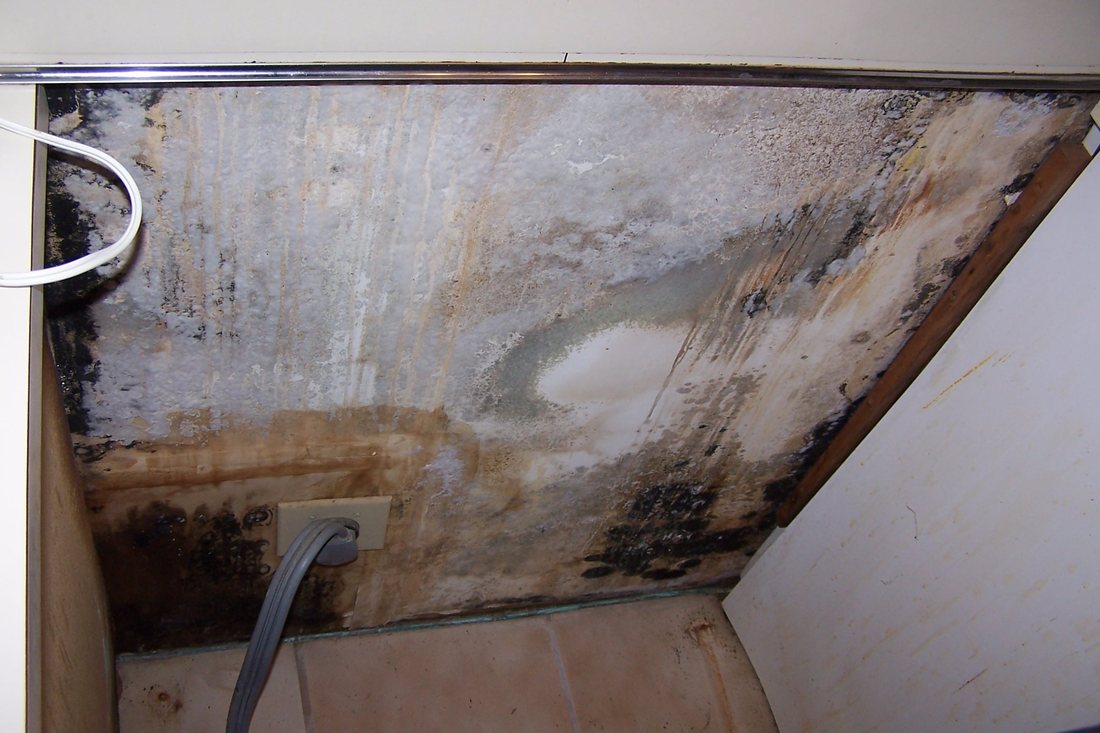
Damage involving broken pipes, plumbing failures, sewer lines, leaks, and other covered water events.
Winter Storm & Roof Damage
Ice dam, snow-load roof collapse, and frozen pipe damage from winter storms in New Jersey.
Theft & Vandalism Damage
Documentation of malicious property damage, stolen property, and related covered losses.
Business & Commercial
Claim support for businesses and commercial property owners.
Condo & HOA Associations
Master policy claims for boards and managers.
Renters
Belongings and living expenses when your landlord insures only the building.
Other Claims
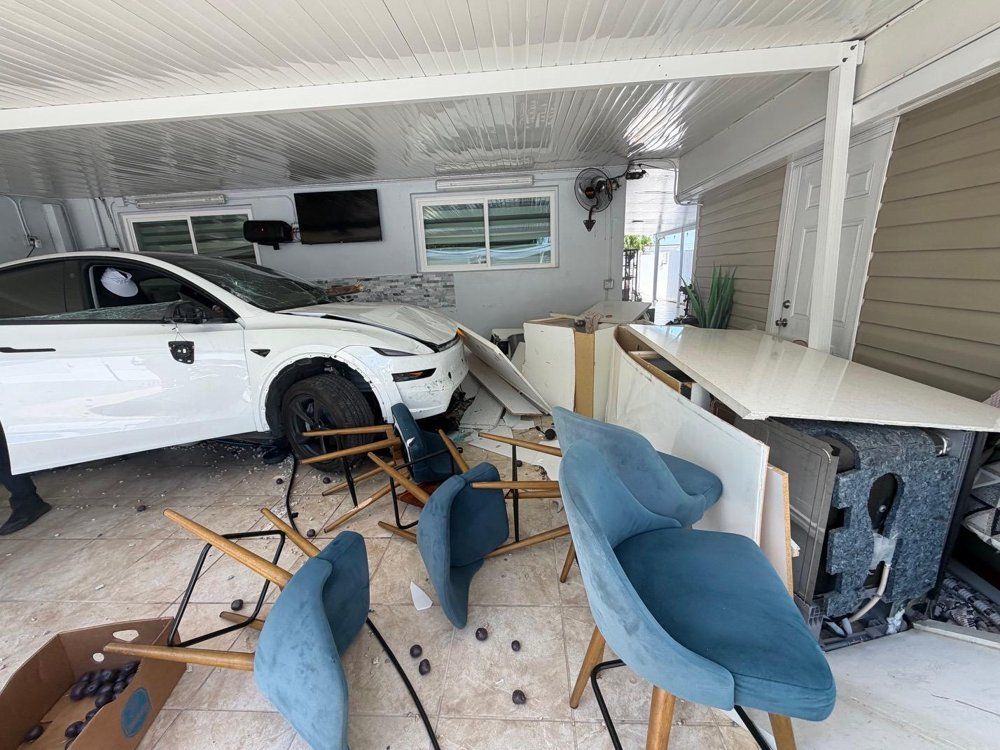
For insured clients: vehicle impact, lightning, falling trees and objects, sinkholes, and other events potentially covered by the applicable policy.
Denied & Underpaid
Review of claim decisions, estimates, documentation, and potentially overlooked or disputed damage.
Third Party Uninsured Damage Claims
For property owners with no coverage of their own whose damage was caused by someone else's insured loss.
Not sure which claim fits?
Call us 24/7. Florida (305) 783-3777. New Jersey (732) 517-3777.
Get the Adjuster Advantage™
Adjuster Advantage™ is Homeland's free pre-loss membership and app for property owners. Understand your policy, keep your records ready, get prepared before a storm, and have a licensed Homeland public adjuster assigned to your membership. Prep tools are available in all 50 states, with adjuster support in Florida and New Jersey.
Joining is free and does not create a contract or agreement with Homeland for any claim. Hiring Homeland is optional and requires a separate written agreement.
Discover The Adjuster Advantage™
Your Go-To Team of Public Adjusters
Since 2006, Homeland Public Adjusters has stood with property owners, not insurance companies. Our team combines insurance claim experience, detailed loss documentation, policy review, estimating, and persistent advocacy to help clients navigate a process that can quickly become complicated.
We believe property owners deserve clear information about their claims and experienced representation when dealing with insurance carriers. That's why we focus on evidence-based claim preparation, transparent communication, and protecting our clients' best interests from inspection through resolution.
Our team includes a licensed public adjuster who is also a Florida Certified Contractor and a Certified Property Appraiser & Umpire (CPAU): estimates written the way repairs are actually built, and claims documented the way appraisal panels actually decide them.
Professional Standards & Industry Resources
Homeland stays connected to the standards, regulations, and resources that shape public adjusting and property insurance. These include the Florida Department of Financial Services, Division of Consumer Services, Florida Statutes Chapter 626, and FAPIA (Florida Association of Public Insurance Adjusters).
Meet Our TeamPublic Adjusters
W818638
3003982360
Member

Property Damage? Get Help 24/7
When unexpected property damage occurs, getting the claim process started quickly can make a difference. Homeland Public Adjusters is available 24/7 to help property owners understand what to do next and begin documenting their loss.
▶ Damage Documentation — Get help identifying and documenting the scope of your loss.
▶ Claim Guidance — Understand important next steps and what information may be needed.
▶ Policyholder Representation — When formally retained, Homeland represents your interests, and yours alone.
If you're dealing with hurricane, water, fire, flood, vandalism, or other property damage, Homeland can help you navigate the insurance claim process.
Hablamos Español. Nuestro equipo está disponible para ayudarle con su reclamo de seguro de propiedad. Llámenos al 305-783-3777 (Florida) o al 732-517-3777 (Nueva Jersey).
Call Us Now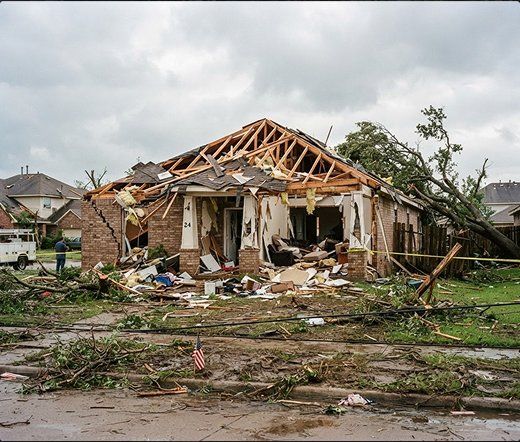
Memberships & Associations



Homeland Public Adjusters FAQs
Property insurance claims can raise questions at every stage, from what a public adjuster actually does to when it makes sense to ask for help. Here are quick answers to common questions property owners have about Homeland Public Adjusters. Contact us today to learn more or request a free consultation.
Why would I hire a public adjuster if my insurance company already has an adjuster?▶
The insurance company's adjuster works for the carrier. A public adjuster represents the policyholder, helping document the loss, prepare the claim, and advocate for the property owner's interests.
Is it too late to call Homeland if my claim is already open?▶
Not necessarily. Homeland can review an active claim, evaluate the documented damage and claim information, and determine how public adjuster representation may help moving forward.
Can Homeland review a claim that was denied or paid less than expected?▶
Yes. Homeland assists with denied and underpaid property claims by reviewing the carrier's decision, supporting documentation, estimates, and scope of damage to identify potential next steps.
Does Homeland only work with homeowners?▶
No. Homeland also serves businesses and community associations with property insurance claims in Florida and New Jersey.
Is Adjuster Advantage™ only useful after property damage happens?▶
No. Adjuster Advantage™ is a free pre-loss membership. It helps you understand your policy, keep your records ready, and prepare before a storm, and it guides you step by step if damage happens.
Does joining Adjuster Advantage™ automatically make Homeland my public adjuster?▶
No. Joining is free and does not create a contract or agreement with Homeland for any claim. Hiring Homeland is optional and requires a separate written agreement.
How soon can I contact Homeland after discovering property damage?▶
You can reach out as soon as you discover a loss or have questions about a claim. Homeland offers 24/7 availability for property owners who need assistance.
Does it cost anything to hire Homeland?▶
Homeland's fee is explained in your written agreement before you hire us, so you know the terms up front. We work on a no recovery, no fee basis.
I don't have my own insurance and someone else's insured loss damaged my property. Can Homeland help?▶
In Florida, possibly. Homeland handles Third Party Uninsured Damage Claims for Florida property owners. This service is not available in New Jersey.
The Values Behind Homeland
Experience That Counts
Policyholders First
Integrity & Transparency
Prepared for What's Next
 By Nelson Avila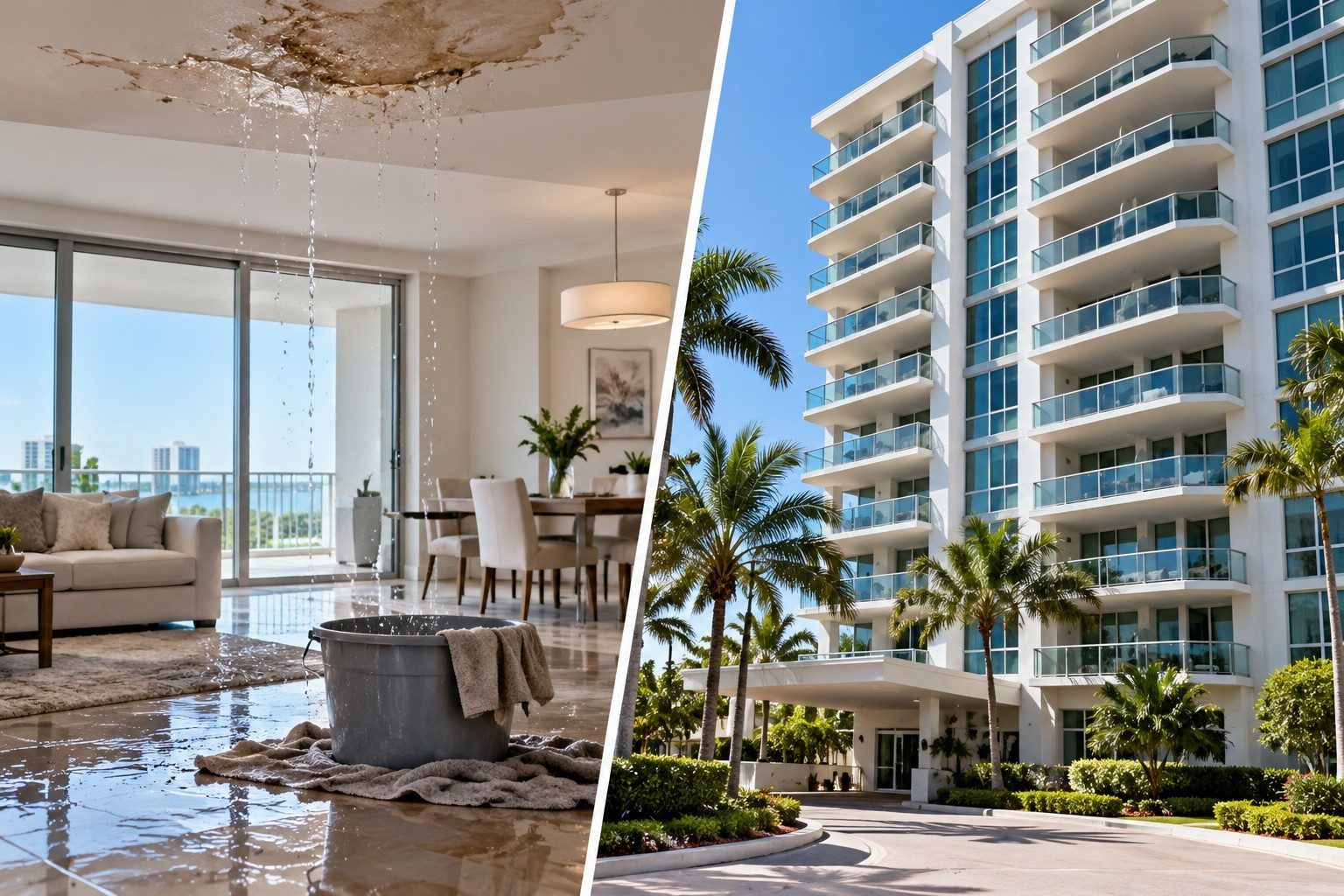
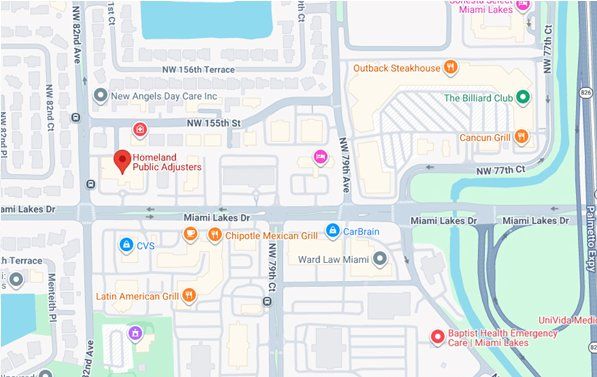
Our Location